
Understanding Forex Sentiment in Currency Trading
📊 Understand forex sentiment in currency trading: learn how trader attitudes shape forex moves and use data-driven insights alongside technical and fundamental analysis.
Edited By
Sophie Clarke
In forex trading, understanding free margin is key for managing your funds and risks effectively. Simply put, free margin represents the money in your trading account that is available to open new positions or keep your current trades going. Unlike the total account balance, this figure considers your open trades and any unrealised profits or losses.
To grasp free margin fully, you need to know how it relates to two other important terms: equity and used margin. Equity is your account balance plus or minus any floating profits or losses. Used margin is the amount set aside by the broker to maintain your open positions. Free margin comes into play as the difference:
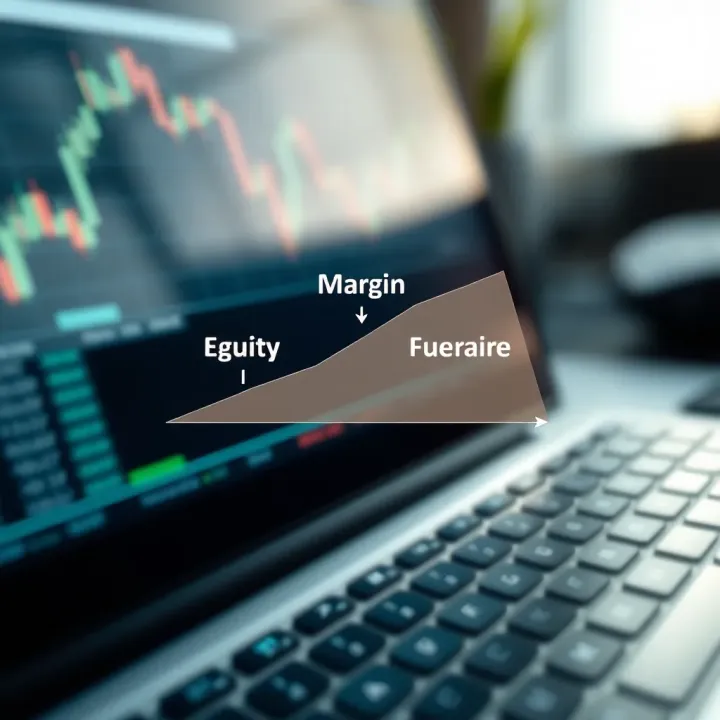
Free Margin = Equity - Used Margin
For example, say you deposited KSh 100,000 into your forex account. You open a position that requires KSh 20,000 as margin. If your open trade has a floating profit adding KSh 5,000 to your equity, your free margin would be:
Equity: KSh 100,000 + KSh 5,000 = KSh 105,000
Used Margin: KSh 20,000
Free Margin: KSh 105,000 - KSh 20,000 = KSh 85,000
This KSh 85,000 is the amount you can use to open new trades or absorb potential losses. However, if your open positions run at a loss and equity drops, free margin falls too, increasing the risk of a margin call.
Managing free margin wisely helps avoid sudden account liquidation, especially when volatility spikes. In the Kenyan trading context, where many prefer using M-Pesa for deposits and withdrawals, keeping track of free margin can make the difference between seizing an opportunity and suffering heavy losses.
Free margin reflects the real buying power in your trading account.
It fluctuates constantly with your open trades’ profits or losses.
Low free margin signals higher risk and less room to manoeuvre.
In the next sections, we will explore how to calculate free margin in detail, its role in risk management, and some practical tips to ensure your trading stays both aggressive and safe in the Kenyan market environment.
Understanding free margin is key when trading forex, especially in managing your funds efficiently. Free margin refers to the funds available in your trading account that you can use to open new positions or keep existing trades running. It acts as a buffer between your used margin—money tied up in current trades—and your overall equity, giving you flexibility to seize new opportunities without risking a margin call.
Free margin differs from margin and equity, and knowing this difference matters a lot. Margin is the portion of your capital that the broker holds to maintain your open positions. Meanwhile, equity represents your current account balance plus or minus any unrealised profits or losses. The free margin is essentially what remains after subtracting the used margin from your equity, showing the funds you can still risk without adding more cash.
For example, if your forex account equity stands at KS00,000 and your used margin is KS0,000, your free margin will be KSh60,000. This KSh60,000 is what you can use to open additional trades or absorb small market fluctuations in your current positions. Without enough free margin, you risk hitting the margin call level, where your broker might close your trades to limit losses.
Free margin directly supports your trading activity. It allows you to maintain open positions safely and also provides room for new trades, which is especially useful in volatile markets like forex. A healthy free margin means you can react to price movements and diversify your trades without exhausting your funds. Traders in Kenya, who often use leverage through local brokers, must watch free margin closely to avoid unexpected closures when the market swings.
Used Margin and Margin Level play central roles in how free margin works. Used margin is the amount locked for existing open trades. The margin level is the ratio between your equity and used margin, usually expressed as a percentage. A higher margin level means more free margin relative to the money already committed. For example, a margin level of 200% means your equity is twice the used margin, indicating strong free margin availability. Brokers often set margin call triggers below certain levels—say 100%—meaning if your margin level falls below this, you could get a warning or forced trade closure.
Moving on, available margin versus free margin can sometimes confuse traders. While free margin is the funds ready for opening new trades or covering losses, available margin typically refers to the total margin capacity provided by your account’s leverage before opening any position. If your account has KS00,000 with 1:100 leverage, the available margin might be KS0 million. Once positions are open, your free margin shrinks as your used margin grows. This distinction helps you understand how much risk you can comfortably take without overleveraging.
Keeping a clear picture of these terms helps you manage your forex trades better. Solid free margin means more freedom in your trading choices and safer navigation of Kenya’s forex market ups and downs.
Understanding these concepts ensures you trade responsibly and protect your capital while taking advantage of market chances.
Understanding how to calculate free margin is key to managing your forex trading account effectively. Free margin determines the funds you have at your disposal to open new trades or sustain existing ones without facing a margin call. Without a clear grasp of how this is calculated, traders risk over-leveraging or closing positions prematurely.
Free margin is calculated by subtracting used margin from your equity. Your equity includes your account balance plus or minus any unrealised profits or losses from open positions. The margin refers to the amount of money you must keep locked to hold your current trades. Practically, if you want to open another position, you need to ensure your free margin can cover the margin requirements for that trade. This keeps your account safe from margin calls.
Let’s say your account balance is KSh 100,000. You have an open position requiring a margin of KSh 20,000. If that position shows an unrealised profit of KSh 5,000, your equity becomes KSh 105,000 (100,000 + 5,000). Your free margin will then be KSh 85,000 (105,000 - 20,000). This means you have KSh 85,000 readily available for trading. Traders in Kenya often use this straightforward method when working with brokers like HotForex or FXPesa to monitor their usable funds.
Most popular forex platforms like MetaTrader 4, MetaTrader 5, and cTrader display free margin clearly in their account information panels. This makes it easier for traders to keep an eye on their available funds at all times. The live update of free margin reflects real-time market movements and position changes, helping you make quick decisions during volatile sessions.
You can also set alerts for your free margin levels on many trading platforms. These alerts notify you when your free margin drops to a critical level, preventing unexpected margin calls and potential forced closures. For example, a Nairobi trader might set an alert at KSh 10,000 free margin to act timely—either by topping up their account or closing some positions to reduce risk.
Keeping track of your free margin through proper calculation and monitoring helps you stay in control and trade responsibly.
Being proactive with your free margin calculation and platform tools will safeguard your trading capital and improve your longevity in the forex market.
Free margin plays a key role in managing risk when trading forex. It represents the funds left in your account that can absorb losses or open new trades. If your free margin runs low, your trading flexibility tightens, increasing the chance of margin calls or forced stop-outs. Properly monitoring free margin helps prevent sudden account freezes and unexpected losses.
When market prices move against your open positions, your equity drops since those trades accumulate losses. This directly shrinks your free margin because equity minus used margin equals free margin. For example, if you opened a position worth KS00,000 with KS0,000 margin and the market moves unfavourably, your equity could fall to KSh8,000, reducing free margin by KS,000 or more.
This decline limits your ability to open new trades and raises the risk of falling below the broker’s margin call level. At this point, the broker may require you to top up your account or close some positions to avoid going into negative balance. Understanding these dynamics helps you keep enough buffer in free margin for unforeseen market swings.
Kenyan brokers often set margin call levels around 50-70% of your margin requirement, though this varies by broker. If your margin level (equity divided by used margin) drops below this threshold, the broker alerts you or automatically closes losing positions, known as a stop-out.
For instance, if your used margin is KS0,000 and equity falls to KS0,000, a 50% margin call level is triggered. At this stage, you must either add funds or reduce your positions. Kenyan traders using local brokers should review each broker’s margin policies carefully, as some may enforce tighter controls to protect their business and client funds.
Leverage magnifies both gains and losses, so managing it wisely protects your free margin. In Kenya, common leverage ratios range from 1:50 to 1:200. While higher leverage lets you control bigger positions with smaller capital, it leaves less free margin to absorb losses.
For example, using 1:200 leverage means just KS00 controls a KS00,000 position, but even a small price change can wipe out your free margin quickly. Many experienced Kenyan traders prefer moderate leverage, such as 1:50 or 1:100, which balances profit potential with risk control.
Your position size should align with your available free margin to avoid margin calls. If free margin is low, enter smaller trades to reduce the margin required for opening positions, keeping room to handle adverse movements.
For example, if you have KS5,000 free margin, it’s safer to open a position needing KS,000 margin than to overcommit with a KS0,000 requirement. This conservative sizing helps you stay in the game longer and avoid forced liquidations. Monitoring your free margin in real time, through your trading platform or mobile app, helps you adjust positions quickly if conditions change.
Maintaining healthy free margin and managing leverage carefully are vital for sustainable forex trading. They shield you against sudden market shifts and keep your account in good standing, especially in the fluctuating conditions of the Kenyan market.
By understanding how free margin affects risk, you can make smarter decisions about where to place trades and when to add funds. This reduces the stress of trading and improves your chances of consistent profits over time.
Managing your free margin effectively is essential for maintaining a healthy forex trading account. It helps you avoid margin calls, control risks, and make the most of trading opportunities without overexposing yourself. In Kenya's fast-moving forex market, where volatility can shift quickly, staying on top of your free margin keeps you in the game longer and positions you for smart trading decisions.
Mobile trading apps, such as those from local brokers or international platforms like MetaTrader, make monitoring your free margin simple and immediate. With just a few taps, you can check your free margin, equity, and open positions anywhere—even when commuting in a matatu or sitting at a nyama choma joint. This real-time visibility helps you spot when your free margin dips dangerously low and lets you act fast to adjust your trades.
For example, if your free margin drops below what you expect, you can quickly close some positions or set tighter stop losses before a margin call happens. Many apps also allow alerts to notify you the moment your free margin breaches a preset level, which safeguards your account from sudden market shocks.
In forex, stop losses are critical safeguards that close your trades automatically when the market moves against you by a set amount. This feature protects your free margin by limiting losses and preventing your account from dipping into the negative. In Kenya, where leverage can be tempting to boost returns, stop losses act as a safety net.
For instance, if you open a position worth KSh 100,000, setting a stop loss might cap your potential loss at KSh 5,000, preserving the rest of your margin. Without a stop loss, a sudden market swing could wipe out your free margin quickly, leading to forced liquidations or margin calls. It pays to be disciplined and always assign stop losses, especially in volatile times like during major news releases.
Topping up your forex account to maintain healthy free margin is straightforward in Kenya thanks to widespread mobile money services like M-Pesa. Most brokers accept M-Pesa, bank transfers, or card payments, making cash injections quick and secure. This flexibility enables you to respond fast when your free margin runs low, without waiting for complicated bank processes.
For example, if market volatility causes your free margin to drop close to zero, a quick M-Pesa deposit can shore up your account and keep your positions afloat. Keeping a small emergency fund ready and linked to your broker's deposit methods helps you stay nimble and avoid rushed decisions.
A healthy free margin provides breathing space allowing you to withstand market fluctuations and take advantage of new trading opportunities as they arise. It reduces the risk of margin calls or forced closure of positions, giving you greater control and confidence.
Imagine having KSh 20,000 free margin ready while other traders scramble with thin margins during volatile sessions. You can afford to open new positions at good entry points or hold onto promising trades longer. This cushion also helps build better risk management discipline, as you won’t feel pressured to chase losses recklessly.
Maintaining strong free margin isn’t just about surviving losses—it’s about trading smarter and staying in the market for the long haul.
By keeping your free margin in check through regular monitoring, timely stop losses, and prompt top-ups, you can improve your chances of trading success while safeguarding your capital.
📊 Understand forex sentiment in currency trading: learn how trader attitudes shape forex moves and use data-driven insights alongside technical and fundamental analysis.
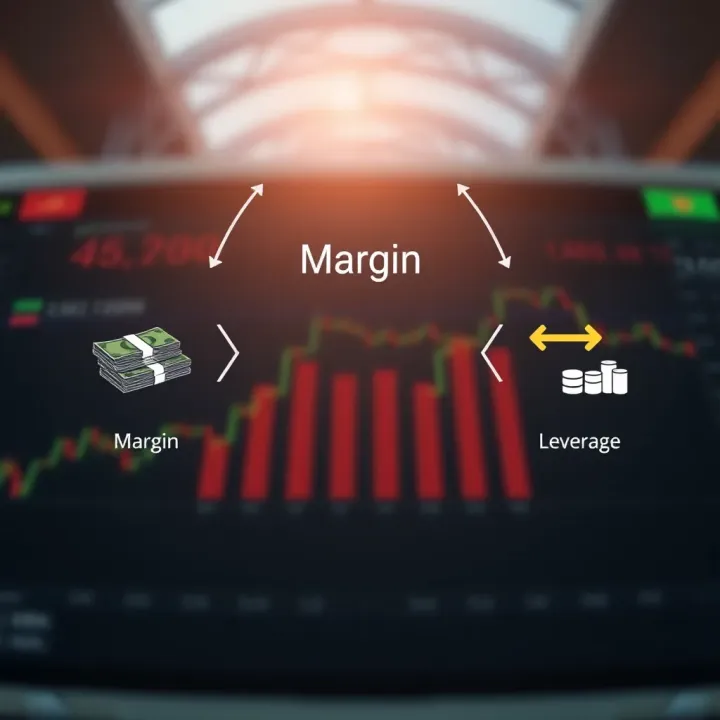
📈 Learn how margin in forex trading helps Kenyan traders increase buying power while managing risk wisely. Understand local platforms, avoid pitfalls, and trade smarter with KSh.
📈 Understand how pips calculators help Kenyan forex traders map price changes, manage risks, and work out profits clearly – a key tool for smarter trading decisions.
📈 Discover how to open and manage your forex trading account tailored for Kenyan traders. Learn account types, local tips, and how to trade confidently in KSh.
Based on 14 reviews