

Understanding the Forex Pip Calculator in Currency Trading
📈 Master forex trading with a pip calculator! Understand pips, manage risk, and choose the right tool for your currency pairs in Kenya’s forex market.
Edited By
Charlotte Davies
Forex sentiment is a snapshot of the overall mood or attitude of traders and investors about currency pairs in the foreign exchange market. This mood shapes market movements just as much as economic reports or central bank decisions. Understanding how sentiment influences price action can give traders an edge, especially in fast-moving markets like forex.
Basically, forex sentiment reflects whether traders are generally bullish (expect prices to rise) or bearish (expect prices to fall) on a particular currency pair. For example, if most traders are buying the US dollar against the Kenyan shilling, the sentiment is bullish on USD/KES. Conversely, if the majority are selling, the sentiment turns bearish.
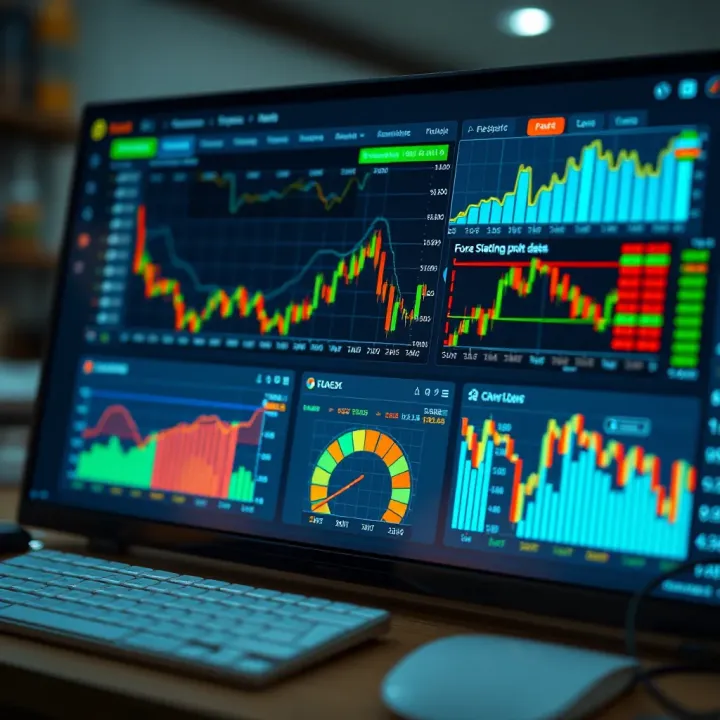
Sentiment can sometimes signal potential reversals when the crowd’s expectations have pushed prices too far.
Sentiment acts as a barometer of market psychology. Even when fundamental data looks solid, a strongly negative sentiment can keep prices down due to trader fear or uncertainty. On the other hand, overly optimistic sentiment might inflate prices beyond reasonable levels, leading to corrections.
For Kenyan traders, gauging sentiment helps in spotting opportunities and managing risks better. Since local currency pairs can be sensitive to foreign investor attitudes and regional political developments, tracking sentiment adds another useful layer of insight.
You won’t find sentiment on a simple economic calendar the way GDP or inflation figures appear. Instead, sentiment data usually comes from:
Positioning Reports: These show the net long or short positions held by traders. For instance, data from the Commodity Futures Trading Commission (CFTC) provides weekly summaries of traders’ bets in major currencies.
Retail Broker Data: Many online platforms share aggregated information about their clients’ trades, revealing whether most are buying or selling.
Sentiment Indicators: Tools on trading platforms highlight market mood through ratios or indexes derived from price changes and volume.
Combining these can create a clearer picture of how the market feels.
Reading sentiment alongside technical analysis and country fundamentals sharpens decision-making. It can prevent being trapped in a single mindset just relying on charts or news.
For example, if USD/KES is trending upwards but sentiment data indicates excessive bullishness among retail traders, it may warn of an upcoming pullback. Such indicators help you avoid buying at a peak or selling too late.
In short, forex sentiment is a valuable tool for Kenyan traders seeking to understand the market’s heartbeat. It complements rather than replaces traditional analysis. Keeping an eye on sentiment can enhance your trade timing, improve risk control, and ultimately lead to better outcomes in currency trading.
Understanding forex sentiment is key for anyone involved in currency trading. Simply put, forex sentiment reflects how traders and investors feel about the direction of a currency pair. This feeling, or tone, often shapes market behaviour as much as actual economic data. Grasping these ideas helps you predict price moves more effectively and avoid surprises when market mood swings occur.
Forex sentiment shows the overall attitude of market participants towards specific currencies. For example, if most traders believe the US dollar will strengthen against the euro, the sentiment is bullish on USD/EUR. This mindset doesn’t always match current price trends but gives clues about future moves. Tracking sentiment lets you see if the market is overly optimistic, pessimistic, or balanced—valuable info when planning trades.
Sentiment can push prices up or down even before economic reports confirm fundamentals. For instance, if traders anticipate a central bank hike, you may see a sharp rise in the currency’s value ahead of the announcement. Conversely, extreme fear can trigger sell-offs, sometimes leading to oversold conditions that later correct. Recognising sentiment shifts helps you time entries and exits better, especially in volatile pairs like USD/KES.
Both retail traders and big institutions shape sentiment. Retail traders in Kenya might react quickly to local news or global events, creating short-term waves. Meanwhile, institutional investors like banks and hedge funds can drive longer trends due to large volume trades. For example, a Kenyan retail trader might be bullish on GBP/USD after good UK economic data, but institutional selling pressure can still reverse the move.

Central banks often have the biggest influence on forex sentiment. Decisions by the Central Bank of Kenya (CBK) or the US Federal Reserve can swing mood dramatically. Interest rate choices, inflation reports, or even off-hand comments by governors affect expectations and market confidence. Economic news releases such as GDP numbers or employment data similarly move sentiment quickly, so keeping an ear on the calendar is crucial for traders.
Forex sentiment is more than just a feeling; it's a measurable pulse of the market that reveals potential turning points and helps traders avoid being caught off guard.
Measuring forex sentiment provides traders with a snapshot of the overall mood in the currency market. Instead of guessing where prices might go, sentiment indicators show what most participants believe, which can help spot potential turning points or confirm ongoing trends. For example, if a large majority of traders are bullish on the US dollar, but the price isn’t moving up, this divergence might hint at a possible reversal. Knowing how to read these measures can improve your timing and risk management.
Commitment of Traders (COT) reports offer official data about the positions held by different groups in the futures markets, including commercial hedgers and speculators. Published weekly by the Commodity Futures Trading Commission (CFTC), these reports break down the net long or short positions on major currency futures. Kenyan traders following the US dollar or euro can use COT to gauge how big players are positioned, which often precedes price moves. For example, a steady increase in speculative buying might signal upcoming strength in a currency pair.
Retail trader positioning data reflects how individual traders are placed in the market, usually gathered from online brokers. This data reveals whether most retail traders are long or short a specific currency pair. It's useful because retail traders often act differently from institutions — commonly buying near tops and selling near bottoms. By observing extremes in retail positioning, you can consider contrarian strategies, such as going against crowded positions to avoid traps.
Sentiment indices and surveys compile and analyse trader opinions from various sources, including financial news sites and brokerages. These indices assign a score or percentage reflecting the bullish or bearish outlook towards a currency. While not always precise, they aggregate lots of viewpoints to show the prevailing mood. For instance, a sentiment survey might reveal growing pessimism on the Kenyan shilling ahead of key policy announcements, helping traders plan their entries or exits.
Trader positions from platforms like MetaTrader provide real-time snapshots of how active retail traders are placed. MetaTrader’s widespread use among Kenyan traders means brokers can aggregate this information to outline net long and short positions on popular pairs like USD/KES. Access to such data allows you to track changes in sentiment during volatile sessions, such as before Central Bank of Kenya (CBK) interventions.
However, there are limitations and potential biases to consider. Broker data might reflect only a subset of traders limited by geography or client type. Also, some brokers may not disclose full details or could have positioning skewed by their order book. Relying solely on retail sentiment without considering institutional moves or fundamentals risks misleading signals. Market sentiment is just one piece of a larger puzzle, so balancing it with sound technical and fundamental analysis increases your chances of success.
Understanding sentiment indicators gives you an edge, but always combine them with other market insights to make well-informed trading decisions.
Incorporating forex sentiment into your trading strategy can offer valuable insights that technical and fundamental analysis alone might miss. Sentiment reflects the collective mood of the market, helping you gauge whether traders are leaning bullish or bearish on a currency pair. Kenyan traders, for example, dealing with USD/KES or EUR/KES pairs, can use sentiment data to time trades more effectively, particularly during periods of regional economic announcements or global financial shifts.
Trading against extreme sentiment involves taking positions opposite to where the majority of traders stand. When most traders are heavily long on a currency, it can signal that the market is overbought, increasing the chance of a reversal. For instance, if retail traders are overwhelmingly buying USD against KES, it might be wise to prepare for a downturn, anticipating profit-taking or corrective moves. This contrarian approach requires careful analysis to avoid catching a falling knife, but when done well, it helps identify market turning points before many others do.
Riding established trends supported by sentiment means aligning your trades with the dominant market sentiment when it confirms a price movement. In cases where sentiment trends alongside strong fundamental news—say, rising US interest rates or Kenya’s economic indicators improving—a trader can ride the bullish wave on USD/KES, increasing their chances of sustained profits. This strategy suits those who prefer to follow momentum without trying to predict reversals, making it slightly less risky but dependent on continuous monitoring of sentiment shifts.
Using sentiment to confirm trade signals enriches your decision-making by adding a layer of market psychology to traditional analysis. If technical indicators like moving averages or RSI suggest a buy on EUR/USD but sentiment data shows heavy bearish positioning, you might reconsider or delay entry until sentiment begins to align. Conversely, if the sentiment supports your technical signals, it boosts confidence in the trade, potentially reducing hesitation.
Enhancing risk management with sentiment insights helps in setting stop-loss and take-profit points more intelligently. For example, during periods of heightened sentiment extremes, markets tend to see increased volatility. Kenyan traders might choose wider stop losses or smaller position sizes when sentiment indicates potential choppiness, protecting their capital from unexpected whipsaws. Integrating sentiment into risk parameters can prevent overexposure and improve long-term survival in the forex market.
Sentiment analysis is not a stand-alone tool but a valuable complement that sharpens your overall trading strategy by revealing the mood behind price moves.
By blending sentiment with solid technical and fundamental groundwork, you build a more rounded strategy that adapts better to changing market moods and events, especially in volatile pairs involving currencies like the Kenyan shilling.
For Kenyan forex traders, practical advice goes beyond theory. It’s about knowing where to find reliable data, how to adjust strategies to local realities, and managing trades with an eye on real market behaviour. These tips help traders avoid common pitfalls, saving both time and capital. Kenyan forex markets are unique in liquidity, available tools, and economic drivers, so adapting global sentiment insights locally is key.
Local brokers and online platforms provide a good starting point for sentiment data. Many Kenyan brokers partnered with global platforms like MetaTrader or cTrader share trader position data. For instance, when a large number of local retail traders back the USD/KES pair, this can hint at current market mood. Accessing such information through platforms offered by brokers like Everest or ATC Brokers helps build a Kenyan-oriented view rather than relying solely on international sentiment, which sometimes misses regional nuances.
Besides brokers, online platforms with sentiment features gather data globally but often include segments focused on African markets. Though they are helpful, Kenyan traders should cross-check this data with Kenyan economic news and local broker reports. Platforms like Myfxbook or DailyFX offer free sentiment indexes but usually carry a broader scope. This means Kenyan traders must filter to see how global sentiment aligns with local economic events such as CBK announcements or trade balances from the Kenya National Bureau of Statistics.
Free and subscription-based tools offer diverse sentiment data, with different costs and depth. Free tools like IG Client Sentiment or FXStreet provide general sentiment snapshots useful to beginners or those without large budgets. They’re handy for quick checks but often lag behind more specialised paid services.
Subscription options, such as those from Trading Central or Sentimentrader, bring detailed reports that include trader positioning, volume analysis, and contrarian indicators tailored for professional traders. Kenyan forex traders looking to scale up might consider these to gain more precise entry and exit signals. It’s worth noting subscription costs need weighing against trading volume and expected returns.
Considering regional economic factors is vital. Kenya’s forex market reacts strongly to regional trade developments like EAC integration talks, import-export data, or even political events such as county elections. For example, sentiment around the KES often shifts when there’s news about maize prices or global oil shocks affecting fuel costs in Nairobi. Traders must weave these local factors into their sentiment analysis rather than assuming international sentiment equals local impact.
Timing trades around local market hours and news also makes a big difference. The forex market is global, but Kenyan traders should pay attention to liquidity peaks during London and New York sessions, which overlap with morning or evening Kenyan time. Trading when market activity is low, say late at night in Nairobi, may lead to wider spreads and more erratic price movements.
Additionally, scheduling trades just after major local events like Central Bank of Kenya (CBK) Monetary Policy Committee meetings or government budget releases can help capture clearer moves tied to sentiment shifts. Kenyan traders who align their activity with these key moments tend to avoid times when sentiment spikes from unrelated global news cause unpredictable volatility.
Successful forex trading in Kenya depends not just on understanding global sentiment but on grounding that knowledge in local trading realities and economic rhythms. This makes sentiment analysis a practical tool rather than a theoretical concept.
By focusing on trusted local information sources and minding regional factors, Kenyan traders can better read market mood and tailor their strategies for improved outcomes.
Forex sentiment can be a powerful tool, but relying on it blindly carries notable risks. Understanding these pitfalls helps traders avoid costly errors and make more balanced decisions. Sentiment readings, like any market indicator, have their limitations and are best used alongside other forms of analysis.
Sentiment spikes during news releases often distort the usual market mood. When a major economic announcement hits—say, Kenya’s GDP figures or US Federal Reserve interest rate decision—traders' reactions can quickly push sentiment indicators to extreme levels. This sudden surge might suggest a strong directional bias, but it's often short-lived and reverses as the market digests the news. For instance, a surprise positive inflation report could cause a rush into the US dollar, skewing sentiment temporarily before other data or global events recalibrate the market.
Because these spikes reflect immediate emotional responses rather than rational positioning, traders who act solely on them risk entering at tops or bottoms, exposed to sharp reversals.
False extremes and market volatility present another challenge. Sometimes sentiment indicators hit apparent peaks or troughs that don’t translate into reliable trading signals. High bullish sentiment doesn't always mean a currency pair will fall; nor does extreme bearishness guarantee a rise. Such false extremes often occur in highly volatile markets or low liquidity periods, like the holiday season or during political unrest.
In Kenya’s context, currencies like the Kenyan shilling can be affected by local events such as election jitters, creating wild swings in sentiment not backed by fundamentals. Traders must recognise these conditions to avoid falling into traps where sentiment seems decisive but actually misleads.
Avoiding overreliance on single indicators is critical. Sentiment is just one piece of the puzzle. Using it in isolation ignores price action, economic data, and technical signals that provide context. For example, if sentiment shows extreme optimism on the euro but technical analysis reveals resistance at crucial levels, a trader should be cautious before opening long positions.
Combining sentiment with fundamental and technical analysis helps filter noise and confirm trade ideas. Relying solely on sentiment risks reacting to crowd psychology without understanding underlying market drivers.
Importance of sound money management cannot be overstated. Even the best sentiment analysis won't guarantee success every time. Effective position sizing, stop-loss orders, and risk limits are necessary to protect capital when markets move against a trader’s view.
A Kenyan trader using small accounts, for example, must carefully manage their exposure especially when sentiment shifts quickly during volatile sessions such as around CBK monetary policy announcements. Protecting the trading capital through disciplined risk management ensures longevity in the market despite occasional misleading signals or sudden reversals.
Sentiment indicators provide valuable insights but must be balanced with other analysis tools and strong money management to navigate forex markets successfully.
By recognising these limitations and risks, traders can approach forex sentiment as a helpful guide rather than a sole decision-maker, improving the chances of consistent trading success.
📈 Master forex trading with a pip calculator! Understand pips, manage risk, and choose the right tool for your currency pairs in Kenya’s forex market.

📈 Understand how pips calculators help Kenyan forex traders map price changes, manage risks, and work out profits clearly – a key tool for smarter trading decisions.
📈 Discover how to open and manage your forex trading account tailored for Kenyan traders. Learn account types, local tips, and how to trade confidently in KSh.

🤖 Explore how forex bot trading works in Kenya, its pros, risks, and tips on choosing and managing automated systems for smarter trading decisions.
Based on 12 reviews