

How to Transfer Money from Sticpay to M-Pesa in Kenya
📲 Learn how to transfer money from Sticpay to M-Pesa in Kenya easily. Follow clear steps, check transaction fees, avoid common issues & save time sending KSh securely.
Edited By
Henry Collins
Forex trading in Kenya has steadily gained traction as more people look for additional income streams or ways to diversify investments. The surge in mobile money usage, notably M-Pesa, has made it easier for traders to deposit and withdraw funds with convenience and speed. Given the unique Kenyan context, many forex brokers now accept M-Pesa, allowing seamless transactions without the typical bank delays.
Trading forex means buying and selling currency pairs, such as USD/KES, aiming to profit from exchange rate fluctuations. For many Kenyans, forex offers access to international markets without needing a physical office or hefty capital, but the process depends heavily on picking the right broker. Brokers accepting M-Pesa let traders fund accounts directly from their phones, bypassing traditional banking hurdles.
When choosing a forex broker who accepts M-Pesa, consider these factors:
Regulation and Licence: Ensure the broker is licensed by recognised bodies like the Capital Markets Authority (CMA) Kenya or international authorities. This guarantees a degree of safety for your money.
Deposit and Withdrawal Speed: M-Pesa transfers are usually instant, but brokers vary on processing times. Check how fast withdrawals happen and if any charges apply.
Trading Platforms and Tools: Look for brokers offering user-friendly platforms suitable for your experience level. MetaTrader 4 or 5 remains popular, but some local brokers provide custom apps.
Spreads and Commissions: Lower transaction costs mean better returns. Compare spreads carefully.
Customer Support: Responsive local support can make a difference, especially when dealing in foreign exchange markets.
Using M-Pesa for forex trading streamlines fund management, cutting out long waits and making the whole process accessible even to those without traditional bank accounts.
Many Kenyans have already embraced platforms like HotForex, FXPesa, and Exness, which accept M-Pesa deposits. These brokers integrate mobile money smoothly, making forex trade a more practical option for Nairobi residents, jua kali workers, and entrepreneurs alike.
Understanding how M-Pesa fits into forex trading gives Kenyan traders an edge. It makes opening accounts and managing finances more practical, supporting quicker trade entries and exits when market conditions shift. This article will cover practical tips on safely using M-Pesa with forex brokers and discuss the security and regulatory aspects to look out for.
To trade forex effectively, you first need to understand what forex trading means and why it has become so popular in Kenya. This foundation helps traders make informed decisions, especially when choosing forex brokers that accept payment methods like M-Pesa.
Definition and mechanics of forex trading: Forex trading involves buying one currency while simultaneously selling another. Traders aim to profit from changes in exchange rates between currency pairs. For example, if you think the US dollar will strengthen against the euro, you might buy USD/EUR. The forex market is decentralised, operating over-the-counter through networks of banks, brokers, and individual traders.
Practical knowledge of how orders are placed, bid and ask prices work, and the impact of leverage is essential. Without understanding these mechanics, a trader might take unnecessary risks or miss chances to optimise profits.
Currency pairs and market hours: Forex trading works around currency pairs, like USD/KES (US dollar vs Kenyan shilling) or EUR/USD. Pairs are classed as majors, minors, or exotics depending on liquidity and popularity.
The market operates 24 hours from Monday to Friday but is divided across four major sessions: Sydney, Tokyo, London, and New York. For Kenyan traders, London and New York sessions often offer the best liquidity and opportunities during working hours and evenings.
Accessibility via mobile devices: With mobile penetration exceeding 100% in Kenya, many traders use smartphones to access forex platforms. Apps like MetaTrader 4 and 5 run smoothly on mid-range devices, allowing users to trade anytime and anywhere—even on the matatu or during breaks.
This easy mobile access lowers barriers to entry, allowing even those outside Nairobi to participate without needing a physical trading desk.
Potential for supplementary income: Many Kenyans engage in forex trading as a side hustle to boost their income beyond regular jobs or businesses. Trading on leverage means one can start with relatively small capital; for instance, opening a position with KSh 10,000 instead of hundreds of thousands.
That said, forex isn’t a guaranteed way to get rich quick. Volatility means losses can happen, so responsible trading and continuous learning are crucial.
Growth of digital payment platforms: The rise of platforms like M-Pesa has been a game-changer. M-Pesa’s widespread use simplifies depositing and withdrawing funds from brokers, removing the need for bank transfers which may be slow or costly.
This convenience encourages more Kenyans to try forex since moving money in and out of accounts is fast and secure. Brokers that accept M-Pesa appeal directly to Kenyan traders by making the trade process smoother.
Having a good understanding of forex basics and local market conditions sets the foundation for smart trading decisions. Knowing why this market fits Kenyan lifestyles helps traders select platforms and payment options like M-Pesa that suit their needs perfectly.
Selecting a forex broker that accepts M-Pesa payments can make a real difference for Kenyan traders. Since M-Pesa is the most popular mobile money platform in Kenya, brokers with seamless M-Pesa integration offer faster, simpler, and more accessible deposits and withdrawals. This convenience removes several hurdles many face when trading internationally, such as delays in bank transfers or currency conversion fees.
Traders must prioritise brokers regulated by trusted bodies like the Capital Markets Authority (CMA) in Kenya or international regulators such as the Financial Conduct Authority (FCA) or the Cyprus Securities and Exchange Commission (CySEC). Regulation ensures that brokers adhere to rules that protect your funds and maintain transparency. Without proper licensing, you risk dealing with untrustworthy brokers who might withhold your money or offer unfair trading conditions.
For instance, a CMA-regulated broker must separate client funds from company money, reducing the chances of misuse. Kenyan traders can check broker licences on the CMA website to verify authenticity.
A good trading platform is more than just buying or selling currencies; it provides charts, technical indicators, and risk management instruments. Popular platforms like MetaTrader 4 (MT4) or MetaTrader 5 (MT5) are widely used because they are user-friendly and support automated trading.
Consider brokers that offer mobile apps compatible with Android and iOS since many Kenyan traders rely on smartphones. Extra features such as real-time news, economic calendars, or demo accounts can also help you sharpen your skills before risking real money.
Costs affect your profitability directly, so choose brokers with transparent fee structures. Look at spreads (the difference between buying and selling price) and whether commissions apply per trade or per deposit/withdrawal.
Some brokers charge hidden fees on withdrawals or deposits, which can add up over time. Comparing fees between brokers helps you avoid unnecessary charges and keep more of your earnings.
M-Pesa payments happen instantly or within minutes, unlike traditional bank transfers that may take days. This speedy funding means you can react quickly to market changes without waiting for your money to clear.
Depositing funds via M-Pesa also removes the need to rely on international wire transfers, which can be complicated and expensive for ordinary Kenyan traders. Many brokers now support direct Lipa Na M-Pesa payments or Paybill options, making the whole process straightforward.
Immediate access to trading capital through M-Pesa allows Kenyan traders to seize market opportunities without delays.
Using M-Pesa generally lowers costs associated with fund transfers. For example, sending KSh 10,000 via M-Pesa might cost only a few shillings, whereas international bank transfers often attract significant fees and unfavourable exchange rates.
By cutting these expenses, Kenyan traders keep more capital invested in the market, which can improve potential returns.
M-Pesa’s two-factor authentication (PIN code and mobile network verification) adds a layer of security over traditional payment methods. Many forex brokers also incorporate additional security protocols when linking M-Pesa accounts.
This reduces risks such as fraud or unauthorised withdrawals. Furthermore, M-Pesa transactions leave a clear audit trail, which helps resolve any disputes quickly. Kenyan traders should still be cautious by using strong passwords and avoiding phishing attempts but M-Pesa is widely considered a safer way to handle trading funds locally.
Choosing a forex broker that supports M-Pesa is not just about convenience—it’s an opportunity to trade more efficiently, safely, and at a lower cost tailored to the Kenyan market.
In Kenya, M-Pesa has become the go-to mobile payment service, making it a natural fit for funding forex trading accounts. Using M-Pesa for deposits and withdrawals simplifies the process for traders, who no longer need to deal with complicated bank transfers or international payment hurdles. This convenience is especially important in forex trading where time often matters, and having quick access to your funds can impact your trading decisions.
Before you start depositing, you need to link your M-Pesa number to your chosen forex broker’s platform. Most brokers provide a simple setup in their account dashboard where you enter the registered M-Pesa phone number. This connection allows the broker’s system to recognise payments from your M-Pesa account, streamlining your deposit process. For example, FXPesa and other Kenya-focused brokers commonly require this step to ensure transaction authenticity.
Once linked, depositing funds typically involves using Safaricom’s Lipa Na M-Pesa option or Paybill number provided by the broker. This process is familiar to most Kenyans as it’s similar to paying for utility bills or goods. You enter the broker’s Paybill or till number, specify the amount, and confirm the transaction with your M-Pesa PIN. This method is fast and eliminates the need for bank queues or waiting days for clearance.
After completing the deposit via M-Pesa, check your forex broker’s platform to confirm the funds have reflected. Brokers generally send instant confirmation emails or SMS alerts when your deposit is successful. If you do not see the deposit credited after a reasonable time, say 10 to 20 minutes, contact customer support immediately. Confirmations are crucial to avoid trading with incorrect balances.
Withdrawing from your forex account to M-Pesa is straightforward. You typically fill a withdrawal form in your broker’s user portal, specifying your M-Pesa number and amount. Make sure your withdrawal amount meets the broker’s minimum limits, or the request might be delayed or rejected. For instance, some brokers set a minimum withdrawal of KS,000 to curb micro transactions.
Withdrawal processing times vary by broker but can range from immediate to up to 48 hours. Brokers with strong M-Pesa integration and local support often process withdrawals faster, sometimes within a few hours. However, back office verification and anti-fraud checks may delay larger withdrawals, so plan accordingly if you expect to cash out significant profits.
Most forex brokers impose withdrawal limits depending on account type or regulatory rules. Also, some charge small fees for M-Pesa withdrawals, though these are usually lower than bank transfer fees. For example, a broker might charge a 0.5% transaction fee or a flat KS0 withdrawal fee. Always review these details upfront to avoid surprises on your statements.
Using M-Pesa for deposits and withdrawals offers Kenyan traders rapid, secure, and cost-effective transactions, making it easier to focus on trading rather than payment hassles. Understanding these practical steps and considerations helps you manage your forex funds confidently in the Kenyan market.
Kenyan traders benefit from knowing which forex brokers support M-Pesa, our leading mobile payment platform. This review highlights key brokers, what services they offer, and how they differ in their M-Pesa integration. Clarity on these points helps Kenyans save time and money while trading forex more confidently.
Overview of local and international brokers
Both local and international forex brokers operate in Kenya's market, each offering different advantages. Local brokers tend to understand Kenyan regulations and customer behaviour better, often providing Swahili-speaking support and direct M-Pesa services via Paybill or Till numbers. International brokers may offer larger trading volumes, advanced platforms, and wider currency pairs but might have slightly complex payment processes. For example, Kenya's FXPesa is a local broker that fully integrates M-Pesa deposits, while international brokers like XM and Pepperstone allow M-Pesa payments but via partnerships or third-party services.
Comparison of M-Pesa integration options
M-Pesa integration varies among brokers. Some provide direct Paybill or Till numbers making deposits seamless, while others use Lipa Na M-Pesa services that require users to initiate payment from the M-Pesa menu. The choice affects the speed and ease of transactions. For instance, brokers offering a dedicated Paybill number allow instant deposits without additional steps, which suits traders needing quick entry into the market. Others may impose minimum deposit amounts or delays linking their M-Pesa channels through agents.
User experience and customer support
Good user experience means intuitive trading platforms, fast transaction confirmation, and responsive customer care. Kenyan traders appreciate brokers with 24/7 support in English or Kiswahili, ideally reachable by phone, email, or chat. For example, Exness offers a streamlined M-Pesa payment flow with timely notifications, plus dedicated support for Kenyan clients. In contrast, brokers with slow response times or unclear M-Pesa payment instructions frustrate traders and can deter consistent use.
Ratings from Kenyan traders
Trader feedback reflects real experiences with brokers’ M-Pesa services and overall trading conditions. Positive ratings often highlight reliability in funding, transparent charges, and quick withdrawals to M-Pesa. Forums and review sites show how brokers like HotForex earn high marks for dependable M-Pesa withdrawals, while others suffer complaints over payment glitches or withdrawal delays. Taking time to check these ratings helps avoid brokers with poor reputations.
Regulatory compliance
A trustworthy broker complies with Kenyan and international financial regulations. The Capital Markets Authority (CMA) licensing is a clear sign of legitimacy. Brokers registered with CMA or internationally recognised authorities like FCA (UK) or ASIC (Australia) usually follow strict rules protecting client funds. For example, a CMA-licensed broker must keep clients’ money separate from its operational funds, reducing risk. Kenyan traders should prioritise such regulated brokers to reduce chances of fraud.
Risk management tools offered
Risk management features help traders control exposure in volatile markets. Stop-loss orders, negative balance protection, and margin calls are examples. Brokers supporting M-Pesa payments often also provide these tools on their platforms. For instance, FXTM offers advanced risk controls along with easy M-Pesa deposits. Using brokers that combine reliable payment methods like M-Pesa with proper risk management can help Kenyan traders protect their capital better.
Choosing a reputable forex broker that supports M-Pesa goes beyond just payments—it impacts your overall trading safety, convenience, and success. Always combine broker reviews, regulatory status, and user ratings before committing funds.
This knowledge allows Kenyan traders to pick forex brokers that suit their trading style and finances, making M-Pesa deposits and withdrawals straightforward and trustworthy.
Security and regulatory issues are critical when dealing with forex trading platforms that accept M-Pesa payments in Kenya. Since M-Pesa is widely used by Kenyans for everyday transactions, its integration with forex brokers demands extra caution to protect traders from fraud and legal pitfalls. Understanding how to safeguard your funds and comply with regulatory requirements helps you trade with confidence and avoid unnecessary losses.
Forex trading attracts scammers who exploit the trust in mobile money payments like M-Pesa. Common scams include fake broker websites mimicking reputable firms or phishing messages prompting users to share their M-Pesa PINs. Kenyan traders have reported cases where impostors request deposits to personal numbers claiming to be official broker accounts. To steer clear, always confirm the broker's Paybill or till number through official channels and beware of unsolicited links or messages asking for sensitive data.
Strong passwords are your first defence line. Many forex platforms offer two-factor authentication (2FA), adding an extra security layer beyond just a password. Enabling 2FA means even if someone guesses or steals your password, they will still need a second form of verification, often a code sent to your mobile device. For M-Pesa accounts linked to forex platforms, use PINs that are unique and avoid recycling passwords from other services. This practice reduces the chances of unauthorised access.
Working with well-known, licensed brokers helps minimise risks. Brokers regulated by Kenya's Capital Markets Authority (CMA) or reputable international bodies follow standards that protect clients' funds and data. Reputable brokers clearly disclose their M-Pesa payment details and provide customer support to resolve issues. If a broker's website looks amateurish, or if they seem reluctant to share licensing information, it’s better to avoid them. Reading reviews from other Kenyan traders and checking CMA announcements can guide you to trustworthy platforms.
The CMA regulates forex trading activities in Kenya, ensuring brokers comply with licensing, capital requirements, and transparent operations. This oversight aims to protect traders from fraudulent schemes and market abuses. While not every broker accepting M-Pesa may be licensed, choosing a CMA-registered firm reduces risks considerably. The CMA also educates traders on their rights and the regulatory framework, giving you a clear guide for safe investments.
Profits from forex trading are taxable under Kenya Revenue Authority (KRA) regulations. Traders must declare earnings as part of their annual income returns. Using M-Pesa for deposits and withdrawals creates a digital trail that may be audited by KRA. Keeping clear records of all transactions, including deposits, trades, and withdrawals, helps during tax assessments. Avoiding tax obligations could lead to penalties, so it’s wise to consult a tax expert familiar with forex income and M-Pesa reporting.
Forex traders should maintain transparent records and submit accurate reports to regulatory bodies when required. Whether it’s reporting large transactions under anti-money laundering (AML) laws or declaring income to KRA, compliance ensures smooth operations. Some brokers assist with monthly or quarterly statements detailing your trades and payments via M-Pesa, streamlining your reporting duties. Keeping your M-Pesa transaction history organised adds another layer of security and accountability.
Taking security and regulatory concerns seriously protects your forex trading journey. With cautious steps and using only regulated brokers, M-Pesa remains a convenient and safe way to manage your forex funds in Kenya.
📲 Learn how to transfer money from Sticpay to M-Pesa in Kenya easily. Follow clear steps, check transaction fees, avoid common issues & save time sending KSh securely.
Learn how to withdraw funds from Deriv to M-Pesa in Kenya with clear steps, requirements, tips and how to avoid common hurdles for a smooth transfer 💸📲
Discover how to link PayPal and M-Pesa in Kenya for easy payments 🇰🇪. Get tips on logging in, fees, security, sending money, and overcoming common challenges.
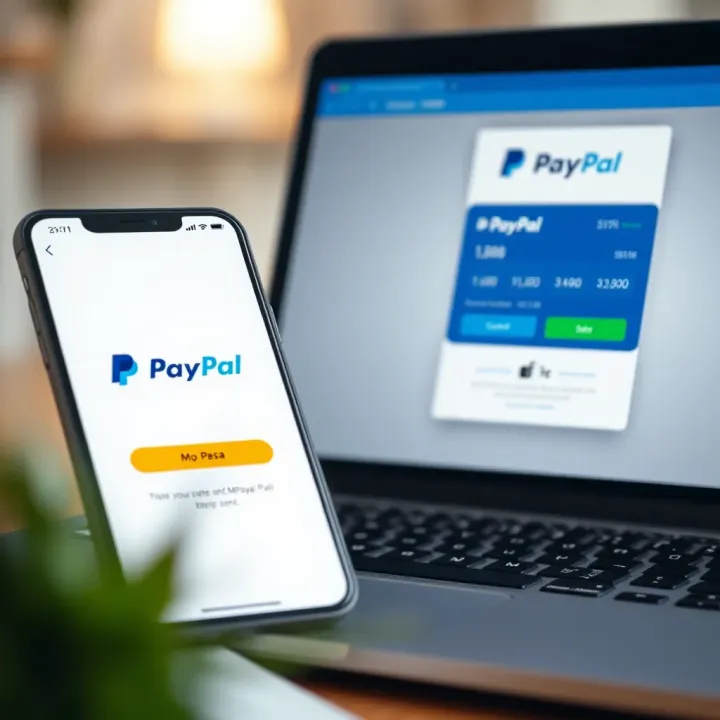
Link your M-Pesa with PayPal 💳 for smooth international payments. Learn step-by-step how to transfer funds, handle fees, and stay secure when sending money abroad.
Based on 15 reviews