
Understanding Deriv Hub for Kenyan Traders
Explore Deriv Hub's features, security, and trading options designed for Kenyan traders 🇰🇪. Learn account setup, tips, and customer support for smooth trading experience.
Edited By
Isabelle Green
Margin in forex trading is a key concept Kenyan traders must understand before diving in. Essentially, margin allows you to open trading positions larger than your actual deposited capital by borrowing funds from your broker. This can boost your buying power significantly but comes with risks if not managed carefully.
Think of margin like a deposit or security you put down to hold a bigger position. For example, if you want to trade a position worth KSh 100,000 but only have KSh 10,000 in your account, your broker lends you the difference under margin terms. Here, the margin requirement is 10%, meaning you need just a tenth of the trade value as your own money.
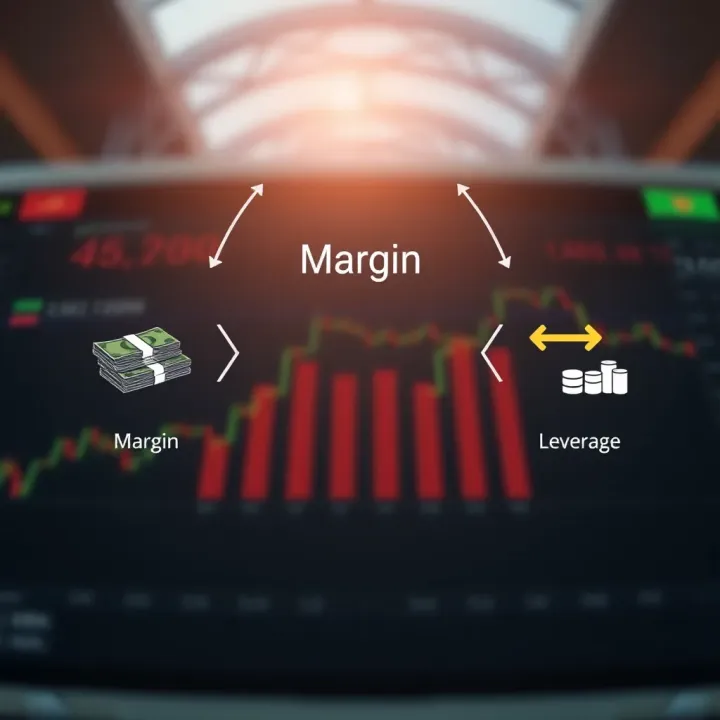
Using margin can amplify profits, but it can just as easily increase losses — so understanding how it works is key to trading safely.
Kenyan traders often use platforms popular locally such as MetaTrader 4 or 5 through brokers like Exness, HotForex, or XM Kenya. These platforms show margin levels clearly, helping you track how close you are to a margin call—a warning when your equity falls below the margin requirement.
It is expressed as a percentage, often starting from 1% to 5% depending on the broker and currency pair.
Margin increases your leverage, meaning you control a larger amount with less capital.
While leverage can magnify gains, a sudden market move against your position can wipe out your deposit quickly.
Brokers may issue a margin call or close your position automatically if losses exceed your margin.
For Kenyan traders, always consider your risk appetite and trading strategy with margin. Don’t just chase big trades because margin offers this possibility. Follow local regulations and best practices to avoid situations where you could lose more than you intended.
In short, margin lets you do more with your KSh investment but demands discipline and continuous monitoring. This practical guide will help you navigate margin trading with examples that reflect Kenyan market conditions and common platforms used.
Margin plays a key role in forex trading by allowing you to open positions larger than your actual cash balance. Instead of needing the full amount of the trade upfront, margin acts like a security deposit or collateral to maintain your position. For Kenyan traders, understanding margin helps you make better decisions on how much to invest and manage risk effectively.
Margin is essentially the amount of money you must set aside to open a forex trade. Think of it as the deposit you pay to your broker, showing you have enough funds to cover potential losses. This collateral doesn’t get spent directly but serves as a safety net for brokers. If your trade goes against you, the broker uses this collateral to cover losses instead of holding you responsible for the entire trade amount immediately.
For example, suppose you want to trade $50,000 (roughly KSh 6 million) of USD/JPY. If your broker requires a 2% margin, you only need to provide $1,000 (about KSh 120,000) as collateral. This way, you don’t need the full $50,000 in your account to start trading.
Margin and leverage are closely connected but different concepts. Margin is the actual collateral you provide, while leverage refers to how much you can multiply your trading power based on that margin. Many Kenyan traders find leverage especially appealing because it magnifies their buying power.
If you have a leverage ratio of 50:1, it means for every KSh 1 you invest as margin, you can control KSh 50 worth of forex. Remember, higher leverage means higher risk too. While leverage lets you control bigger trades, it also increases the chance of heavy losses if the market moves against your position.
Say you have KSh 100,000 in your trading account. Without margin, you could only trade up to KSh 100,000 worth of currency. But with a 10:1 leverage, you effectively control KSh 1 million in the market. Kenyan traders often find this useful for catching market moves without tying up all their funds.
Suppose you want to buy EUR/USD. Your broker's margin requirement might be 2%, so you only need KSh 24,000 as margin to open a KSh 1.2 million position. The rest is borrowed from the broker, allowing you to multiply your exposure without increasing your capital.
Using margin increases your buying power by letting you open larger positions than your actual account size would allow. This flexibility helps you diversify trades or hold positions that could offer better profit potential.
However, boosting your buying power through margin also means you need to watch your trades closely. While profits get amplified, losses do too. Kenyan traders should always balance using margin with sound risk management to avoid margin calls or forced liquidation.
In short, understanding margin and its practical application helps you trade smarter and safer in the forex market, especially in the Kenyan trading context with its range of brokers and local regulations.
Understanding the different types of margin is key to trading forex responsibly. For Kenyan traders, recognising these types helps avoid surprises, especially when markets move fast or margin requirements shift. Two main categories—initial margin and maintenance margin—define how much funds you need upfront and how much must stay in your account to keep trades open.
The initial margin is the first deposit you must put up to open a forex position. Think of it as a security deposit. For instance, if you want to control a position worth KSh 1 million with a leverage of 50:1, your broker might require an initial margin of about KSh 20,000. That means you only need to commit a fraction of the total trade size to take the position, multiplying your buying power.
This margin is crucial because it determines how large a trade you can start. Choosing a broker with reasonable initial margin requirements matters. Kenyan traders using platforms like MetaTrader or JForex often encounter varied margin needs based on currency pairs and leverage settings, so checking these details before trading helps avoid funding gaps.
Maintenance margin is the minimum equity you must keep in your account to hold your position open. It’s lower than initial margin and acts like a buffer against losses. If your available funds dip below this limit, your broker will notify you.
Keeping an eye on the maintenance margin is important because it signals when your account is at risk of a margin call. For example, if a Kenyan trader’s forex position starts losing value and equity falls near the maintenance threshold, swift action—like depositing extra funds or closing some positions—can prevent forced liquidation. Simply put, it keeps your trade alive under pressure.
A margin call happens when your account equity falls below the maintenance margin. Brokers alert you to top up your account or reduce your trades. This safeguard protects both you and the broker from excessive losses.
In Kenya, margin calls might come as messages on trading platforms or emails. Imagine having open forex positions on the USD/KES pair, and the market swings unfavourably; your equity slumps below the maintenance margin, triggering a margin call. Ignoring it risks losing your trades, so prompt attention is necessary.
If a margin call is ignored and your account continues to lose value, the broker reaches the stop-out level—a point where it forcibly closes your positions to stop further losses. This automatic action protects your account from going negative.
Practically, if a Kenyan trader’s account hits this critical limit, say at 20% of the required margin, open positions start closing starting from the largest losing ones. This can happen in volatile times, such as during major economic announcements affecting the shilling. Being aware of stop-out levels helps you prepare and adjust your trades before facing forced closure.
Managing initial and maintenance margins, plus understanding margin calls and stop-outs, lets Kenyan forex traders keep control of their exposure. Always check your broker’s margin policies and stay on top of your account to trade safely.
Initial margin is what you need upfront to open a position.
Maintenance margin is the minimum equity to keep trades going.
Margin calls warn you when funds dip below maintenance margin.
Stop-out forces position closure if losses get too big.
Being clear on these types of margin gives you practical control and helps avoid nasty surprises in the dynamic Kenyan forex market.
Knowing how margin is calculated helps Kenyan traders manage their funds and risk more sensibly. Margin determines the amount of money you need to open and maintain a position. Getting this right affects your buying power and exposure to market moves, especially when using leverage.
Margin depends mainly on the trade size and the leverage your broker offers. The basic formula is:
Margin Required = (Trade Size) / (Leverage)
For example, if you want to open a trade worth USD 100,000 (a standard lot) and your broker offers 1:100 leverage, you’ll need to have USD 1,000 (about KSh 130,000) as margin. Smaller trades or lower leverage means less buying power but also lower risk of big losses.

Leverage lets you control larger positions with less capital, but it does mean your margin requirement rises as trade size grows. Always balance your trade size with how much margin you can safely keep.

#### Currency Pair Impact on Margin
The currency pair you trade may affect the margin because different pairs have different values against your account currency. For example, if your account is in Kenyan Shillings and you trade EUR/USD, the margin in dollars must be converted to KSh at the current exchange rate.

Pairs involving more volatile currencies or exotic pairs often require higher margin due to increased risk. So Kenyan traders should check margin requirements for pairs like USD/KES or GBP/USD carefully before opening positions. This affects how much capital you need on hand.

### Using Margin Calculators and Trading Platforms

#### How Brokers Provide Margin Tools
Most brokers offer online margin calculators on their websites to help traders estimate margin requirements before entering trades. These tools ask for trade size, leverage, currency pair, and account currency, then give you the exact margin needed.

Trading platforms like MetaTrader 4 or 5 also show margin use in real time, letting you see available margin as you open positions. This helps avoid margin calls by tracking how much capital is free versus tied up in trades.

#### Practical Steps for Kenyan Traders
Kenyan traders can make use of margin calculators by inputting their desired trade size and leverage before starting. This prevents surprises with margin calls due to insufficient funds.

Also, when choosing brokers, confirm that their margin calculators reflect real account terms, especially regarding currency conversions and leverage limits set by the Capital Markets Authority (CMA) in Kenya. Regularly monitor your margin levels on the platform to adjust your trades and keep risk in check.

> Understanding margin calculation isn’t just theory—it shapes how you trade daily. Use available tools and keep track to trade confidently and responsibly.

## Risks and Responsibilities When Trading on Margin

Trading on margin brings opportunities, but also significant risks. Understanding these risks and your responsibilities can help you avoid costly mistakes. Kenyan traders must appreciate how margin trading can amplify both profits and losses, making careful management essential.

### Potential Losses Beyond Deposits

#### How Leverage Amplifies Losses
Using leverage allows you to control larger positions than your deposit would usually permit. For example, with 1:100 leverage, a KSh 10,000 deposit lets you trade up to KSh 1,000,000. While this boosts potential gains, losses also increase proportionally. A 1% drop in the forex rate could wipe out your entire deposit, or more, if you’re not careful. This means you could lose more than what you originally put in, which sometimes surprises new traders who underestimate the power of leverage.

#### Margin Calls and Forced Liquidation
If your trading positions start losing value and your account equity falls below the broker’s required maintenance margin, you receive a margin call. It’s a warning to add more funds or close positions to reduce risk. In practice, many brokers will automatically close your losing trades if you do not act quickly. This forced liquidation protects both parties but can leave you with heavy losses. Kenyan traders should set alerts or frequently check their trading [accounts](/articles/understanding-demo-accounts-kenyan-traders/) to avoid unexpected liquidations caused by market swings.

### Risk Management Strategies

#### Using Stop-Loss Orders
Stop-loss orders are a vital tool that limits your losses by automatically closing a trade at a set price. For instance, if you buy a currency pair at KSh 100 but want to avoid losing more than KSh 3, you can set a stop-loss at KSh 97. When the price hits this level, your position closes. This protects your capital and helps maintain discipline, especially in volatile conditions common in the forex markets. Stop-losses prevent emotional decisions and help Kenyan traders control risk effectively.

#### Setting Reasonable Leverage Limits
Choosing lower leverage levels reduces your exposure and potential losses. Instead of maxing out at 1:100 or 1:200, consider starting with 1:10 or 1:20 leverage, especially if you’re new to forex margin trading. Lower leverage means you need a bigger price move to lose your deposit, giving you more breathing space. Kenyan brokers often offer various leverage options; picking one that matches your strategy and experience will help you trade more safely. Remember, it’s better to grow steadily than to chase quick wins and suffer big losses.

> Managing margin responsibly involves more than understanding formulas — it’s about practical steps to protect your investment every day. Setting limits, using stop-losses, and staying alert to margin calls can mean the difference between success and regret.

By grasping these risks and taking clear steps to manage them, you increase your chances of trading forex profitably and sustainably in Kenya’s vibrant market.

## Practical Tips for Managing Margin in Kenya

Managing margin effectively is vital for Kenyan traders to avoid unexpected losses and make the most of their investments. Margin allows you to open larger positions, but it also increases exposure to risk. By focusing on practical tips tailored to the Kenyan trading environment, you can maintain control over your trades and protect your capital.

### Choosing the Right Broker and Platform

#### Considering Margin Requirements and Regulations

Before opening an account, it’s essential to check the broker’s margin requirements. Different brokers set different minimums, and you’ll want one whose margin policy aligns with your trading style and capital. In Kenya, brokers must comply with regulatory bodies like the Capital Markets Authority (CMA) to ensure trader protection. A regulated broker is more likely to have transparent margin calls, stop-out rules, and fair trading conditions.

For example, if a broker requires an initial margin of 5%, it means you need to deposit KS0,000 to control a position worth KS00,000. If your capital is limited, this requirement impacts how many trades you can open and how much risk you take per trade.

#### Local Payment Options and Platform Usability

Beyond margin itself, paying into and withdrawing from your trading account should be straightforward. Many Kenyan traders prefer brokers supporting M-Pesa or bank transfers for convenient deposits. Platforms that integrate local payment options avoid delays and extra charges, which can add up.

Moreover, user-friendly platforms matter. If the trading platform is complicated, you risk making mistakes when setting margin or stop losses. Platforms like MetaTrader 4/5 or cTrader are popular among Kenyan traders because they offer clear margin displays and health indicators. Before committing, test a platform’s demo version to ensure it suits your needs.

### Developing a Margin-Aware Trading Plan

#### Balancing Margin Use with Account Size

It’s tempting to use a lot of margin to open big trades, hoping for bigger profits. However, a common pitfall is over-leveraging, which can wipe out even accounts with decent funds. A safer approach is to limit margin use to a fraction of your account size, say 10-20%, keeping some capital as a buffer.

For instance, if your trading account has KS00,000, avoid using more than KS0,000 as margin at once. This gives room for market swings without triggering margin calls immediately. Balancing margin with your account size helps preserve your trading longevity.

#### Regular Monitoring and Adjustment

Markets don’t stay still, so neither should your margin management. Check your margin levels often, especially during volatile periods like major economic announcements or unexpected news in the forex world. Adjust your position sizes or close some trades to free up margin and reduce risk.

Monitoring also means reviewing your trading plan regularly. If you notice repeated margin alerts or forced liquidations, it’s time to rethink your leverage strategy. Staying disciplined and attentive to margin use can prevent unpleasant surprises and save your capital over time.

> **Remember:** Good margin management isn’t just about meeting requirements; it’s about controlling your risk while making smart trading decisions in a fast-moving market.

By choosing a reliable broker, using convenient local payment methods, and developing a well-thought-out margin plan, Kenyan traders can improve their chances of success and avoid the common pitfalls of margin trading.Explore Deriv Hub's features, security, and trading options designed for Kenyan traders 🇰🇪. Learn account setup, tips, and customer support for smooth trading experience.
📊 Learn how Kenyan traders can use demo accounts to build skills risk-free. Discover differences from live accounts and avoid common mistakes! 🚀

Discover how Kenyan traders can use Deriv demo accounts 📊 to practice trading safely, learn key features, and prepare confidently for real markets.
Explore how bot.deriv.com works 🖥️ and its features to help traders in Kenya 📈 set up smart automated trading, manage risks, and boost success 🚀.
Based on 8 reviews