
Forex Trading Accounts Explained for Kenyan Traders
📈 Discover how to open and manage your forex trading account tailored for Kenyan traders. Learn account types, local tips, and how to trade confidently in KSh.
Edited By
Charlotte Hughes
Forex trading, or foreign exchange trading, is the process of buying and selling currencies with the goal of making a profit from changes in exchange rates. For Kenyan traders, this market offers chances to diversify income streams beyond the local economy, but it comes with its share of challenges.
The forex market operates 24 hours a day, five days a week, providing flexibility that fits various schedules. Unlike trading stocks on the Nairobi Securities Exchange (NSE), forex trading happens globally, with major currency pairs like USD/KES, EUR/USD, and GBP/USD actively traded. These pairs reflect real-world economic activity, such as trade flows and interest rate differences.
Getting started means understanding key concepts:
Currency pairs: In forex, currencies are quoted in pairs, showing how much of one currency you need to buy one unit of another.
Pips: This is the smallest price move that a currency pair can make, crucial for calculating profit or loss.
Leverage: Kenyan brokers often offer leverage, sometimes up to 1:100, meaning you can control a large position with a small deposit. While tempting, leverage increases both potential gains and risks.
To trade forex in Kenya safely, it's essential to choose brokers regulated by the Capital Markets Authority (CMA). The CMA provides oversight to ensure brokers offer fair trading conditions and protect traders’ funds.
Trading forex involves risk; it’s wise to start with a demo account first, practice strategies, and only invest money you can afford to lose.
Successful Kenyan traders often combine technical analysis—studying charts and price patterns—with fundamental factors like Central Bank of Kenya (CBK) policy announcements and global events affecting currency values. Being mindful of geopolitical shifts or trade agreements within the East African Community (EAC) can give traders an edge.
Understanding these basics sets a solid foundation to explore strategies, manage risks, and navigate Kenya’s forex trading landscape confidently.
Starting with the basics of forex trading helps you build a strong foundation before jumping into the market. Understanding what forex trading entails gives you the confidence to make informed decisions, reducing the risk of costly mistakes. In Kenya, where mobile money services like M-Pesa have made financial transactions straightforward, getting into forex trading is more accessible than before. However, knowing how the market works and who participates in it is essential to navigate this fast-moving world.
Forex trading is the buying and selling of currencies, aiming to profit from the changes in exchange rates between two countries' money. For instance, if you believe the US dollar will strengthen against the Kenyan shilling, you can buy USD/KES currency pair and sell it later at a better rate to earn a profit. This market is the largest and most liquid globally, with daily trading volumes exceeding $6 trillion, making it attractive for traders worldwide.
Currencies are always traded in pairs like USD/KES or EUR/USD. The first currency in the pair is the base currency, and the second is the quote currency. When you buy a pair, you are buying the base currency and selling the quote currency. If USD/KES is trading at 110, it means 1 US dollar equals 110 Kenyan shillings. Understanding this relationship is crucial for predicting when to enter or exit trades. For example, if Kenya is experiencing economic growth, the shilling might strengthen, affecting your trade.
Major currency pairs involve the most traded currencies like the US dollar (USD), Euro (EUR), British pound (GBP), and Japanese yen (JPY). Pairs like EUR/USD or GBP/USD fall in this category and often offer tighter spreads and higher liquidity. Minor currency pairs, on the other hand, may include combinations like EUR/GBP or AUD/NZD, involving less frequently traded currencies but still offering good trading opportunities. For Kenyan traders, popular pairs often include USD/KES due to local interest.
Central banks, including the Central Bank of Kenya (CBK), intervene in forex markets to stabilise their national currencies. For example, CBK might sell US dollars to support the Kenyan shilling if it weakens too much, helping control inflation and support economic stability. Governments also influence forex through monetary policy decisions that can shift currency values.
Large banks and financial institutions play a major role as market makers, providing liquidity and facilitating currency trades for corporations and investors. These players handle huge volumes daily, often influencing short-term price movements. For example, a bank arranging international trade payments in Nairobi will convert currency using the forex market.
Retail traders, including many Kenyan investors using platforms like MetaTrader 4 (MT4) and MetaTrader 5 (MT5), form the smaller but growing group of forex participants. Retail traders aim to profit from currency fluctuations by trading smaller amounts compared to banks. With improved internet access and mobile apps, many retail traders now actively participate, making forex trading a popular side hustle in Kenya.
Grasping who makes the market helps you understand the forces affecting currency prices and prepare your trading strategies accordingly.
Starting your forex trading journey in Kenya requires careful steps to ensure a solid foundation. The forex market can offer opportunities, but without the right approach—such as choosing a dependable broker and understanding account setup—many traders experience frustrations or losses. This section breaks down the essentials to help you begin effectively and safely.
A key factor when selecting a forex broker is whether they are regulated by recognised authorities. For Kenyans, brokers authorised by the Capital Markets Authority (CMA) are generally safer as the CMA enforces rules to protect investors. Trading with unregulated brokers can expose you to fraud or unfair trading practices. For instance, a CMA-regulated broker must keep client funds in separate accounts, reducing the risk of misuse.
Different brokers offer various trading platforms. Common ones include MetaTrader 4 (MT4) and MetaTrader 5 (MT5), which provide flexible charting, orders, and access to technical indicators. Some brokers also have mobile apps that sync with the desktop experience, allowing you to trade on the go using your smartphone. Choosing a broker with reliable and user-friendly platforms is vital, especially if you’re starting and need intuitive tools for analysis and execution.
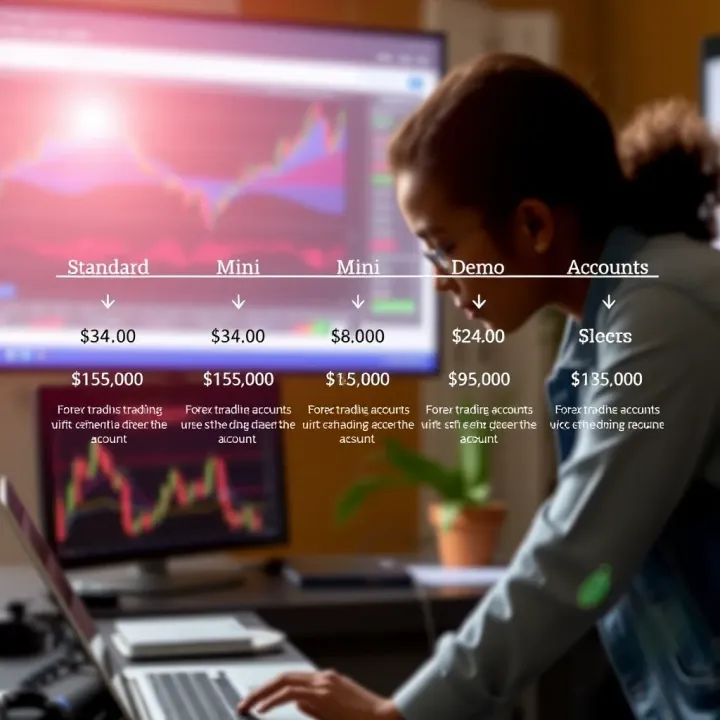
Forex brokers usually offer several account types that differ in spread costs, leverage options, and minimum deposit amounts. For Kenyan traders beginning with smaller budgets, micro or mini accounts with deposits as low as KSh 1,000 can be a practical start. More advanced traders might prefer standard or VIP accounts offering tighter spreads or additional features. Always weigh your available capital and risk appetite before selecting the account type.
Opening a trading account typically involves providing personal details and identification documents online. Platforms mainly guide you through this smoothly – for example, uploading your National ID or passport and proof of address. Timely registration allows you to quickly access the demo and live accounts to start practising or trading.
Kenyan forex traders benefit from brokers that accept local funding methods like M-Pesa, alongside traditional bank transfers. M-Pesa is especially popular for its convenience and speed, allowing instant deposits directly from your mobile wallet. Some brokers also offer Lipa Na M-Pesa Paybill or Till Number options for seamless transactions. Using these local payment gateways saves on conversion fees and processing times compared to international payment systems.
Before trading live, brokers conduct verification to comply with Anti-Money Laundering (AML) and Know Your Customer (KYC) rules. This means confirming your identity and sometimes your source of funds. Such checks protect you and the broker from fraud and illegal activities. It’s common for brokers to review your documents promptly, but delays can happen if documents are unclear or incomplete.
Starting forex trading in Kenya involves more than just picking a broker; understanding licensing, payment methods, and account setup ensures your trading experience begins securely and on solid ground.
By focusing on these practical steps, Kenyan traders can confidently enter forex markets and avoid common early pitfalls that many beginners face.
Forex trading is not just about guesswork; having strong strategies is what separates successful traders from those who struggle. Kenyan traders benefit most when they understand and apply proven techniques that suit their market and trading style. Strategies give you a clear path to analyse the market movements, make informed decisions, and manage risks effectively.
Charts and price patterns are the backbone of technical analysis. For example, candlestick charts show price action over determined periods and help traders see shifts in market sentiment, such as bullish or bearish trends. Kenyan traders often rely on patterns like 'head and shoulders' or 'double tops' to predict potential reversals. These visuals help simplify complex data and guide entry and exit points.
Common technical indicators include tools like the Relative Strength Index (RSI), Moving Averages (MA), and Bollinger Bands. The RSI highlights when a currency might be overbought or oversold, while moving averages smooth out price data to reveal trends. In practice, combining several indicators can confirm signals before making a trade, which helps avoid rash decisions especially in volatile times, such as during the release of Kenya’s economic data.
Using support and resistance levels is critical in predicting price movement ceilings and floors. Support refers to a price level where demand is strong enough to prevent further decline, while resistance is where selling pressure might stop prices from rising. For instance, if the KSh/USD pair consistently bounces back at 110, that level acts as support. Kenyan traders watch these points closely, using them to set stop-loss orders and maximise profits.
Economic indicators impacting currencies include GDP growth rates, unemployment numbers, and inflation figures. When Kenya’s inflation rate rises, the Kenyan shilling may weaken, affecting forex pairs with the shilling. Traders use this information to anticipate currency strength or weakness.
Interest rates and central bank policies play a huge role. The Central Bank of Kenya’s decisions to increase or cut rates can make the shilling more or less attractive to investors. A hike often means a stronger currency since higher returns attract foreign capital. Forex traders stay alert to CBK statements, adjusting their positions accordingly.
Political events and market sentiment influence forex markets beyond numbers. Elections, policy changes, or even regional tensions can cause swings in currency values. For example, during Kenya’s last general election, the forex market showed noticeable price fluctuations. Trading with awareness of local events can prevent costly surprises.
Setting stop-loss and take-profit limits helps control losses and lock gains without constant monitoring. Suppose you buy EUR/USD at 1.1000; placing a stop-loss at 1.0950 limits your risk, while a take-profit at 1.1100 secures your target earnings. This discipline keeps emotions in check and safeguards your trading capital.
Position sizing means determining how much money to put on any trade. If you risk 2% of your account on each trade, and your account has KS00,000, you won’t risk more than KS,000 per trade. This strategy prevents wiping out your account on a bad day and helps keep your trading sustainable.
Managing leverage and margin is vital since forex brokers often offer high leverage, sometimes up to 1:500. Though leverage can boost gains, it also magnifies losses. Kenyan traders should use low to moderate leverage, understanding margin requirements fully to avoid margin calls, which can shut down positions prematurely.
Effective forex trading combines well-planned strategies with disciplined risk management. It is the surest way for Kenyan traders to navigate this dynamic market confidently.
Forex trading offers chances to profit, but it comes with risks that Kenyan traders must understand before diving in. Knowing these risks helps prevent serious losses and makes trading more manageable. This section breaks down the key challenges, including market volatility, common trader errors, and ways to avoid scams. By being aware of these, you can develop safer trading habits that protect your capital and improve your chances of success.
Volatility refers to how much and how quickly currency prices change. In forex, markets can swing wildly in minutes or hours, affecting your trade outcomes unexpectedly. For example, a Kenyan trader holding a USD/KES position might see sharp moves following economic data releases in the US or Kenya. These swings can either boost profits or wipe out gains if you’re not careful.
Because of this unpredictability, traders must adjust their strategies to suit volatile periods. Avoiding large positions or using tighter stop-loss orders can protect your account when the market moves fast.
Dealing with sudden market shifts means staying informed and calm. Let’s say an unexpected political event disrupts currency flows; panicking and overreacting could lead to hasty decisions and heavy losses. Good traders develop plans for such shocks, like setting alerts or pre-planned exit points, so they respond methodically rather than emotionally.
One frequent mistake is overtrading — placing too many trades too often, usually driven by emotions like fear or greed. For instance, a trader might lose a few trades and chase quick wins to recover losses, often resulting in even worse outcomes. This behaviour drains capital quickly and can blow entire accounts.
Emotional decision-making also leads to ignoring established trading plans and risk rules. Instead of sticking to analysis, traders may jump into risky moves hoping for quick profits. Staying disciplined and following a clear strategy helps prevent such pitfalls.
Ignoring risk management is another challenge. Many new traders neglect stop-loss orders or use excessive leverage to try increasing returns. This exposes their funds to large swings that could be avoided. Managing risk means setting limits on loss per trade, watching position sizes, and never risking more than you can afford to lose.
With many brokers available, knowing how to spot unregulated or fake brokers is vital. In Kenya, trading through licensed brokers registered with the Capital Markets Authority (CMA) protects you from fraud. Unregulated brokers may promise unrealistic returns, delay withdrawals, or manipulate prices. Always verify the broker’s licence status before depositing any money.
Protecting your personal and financial information is equally important. Use strong passwords, avoid sharing account details with others, and be cautious with emails or calls asking for sensitive information. Fraudsters often attempt to steal identities or funds through phishing scams or fake websites. Kenyan traders should only use official broker websites and trusted payment methods like M-Pesa or direct bank transfers.
Staying alert to these risks doesn't just protect your money, but also builds confidence to trade wisely and sustainably in forex markets.
Understanding the local forex trading environment is key for Kenyan traders. The market here differs due to specific regulations, popular platforms, and payment methods that suit Kenyan traders' needs. Navigating these elements helps ensure safer, smoother trading and reduces risk.
The Capital Markets Authority (CMA) is the main regulatory body overseeing forex trading activities in Kenya. Its role focuses on protecting investors by ensuring that brokers and market operators follow specific rules designed to promote transparency and fairness. For example, CMA requires brokers to maintain certain capital levels and report regularly, which helps prevent fraudulent activities.
Brokers must hold a valid licence from the CMA to operate legally in Kenya. This licensing process includes a thorough vetting of the brokerage’s financial health, operational capacity, and integrity. Trading with licensed brokers means you are dealing with entities that have met these standards and are accountable to regulators.
Choosing to trade with regulated entities offers practical benefits. It reduces the risk of losing funds to scams, ensures faster dispute resolution mechanisms, and often guarantees better customer service standards. In Kenya, this is particularly important as unregulated brokers continue to pose a threat, exploiting inexperienced traders.
MetaTrader 4 (MT4) and MetaTrader 5 (MT5) stand out as the go-to platforms for many Kenyan forex traders. MT4 is favoured for its simplicity, reliable charting, and customisable indicators, while MT5 offers improved features including more timeframes and access to diverse asset classes. Using these platforms gives traders robust analytical tools that are proven and widely supported.
Mobile trading has grown rapidly in Kenya due to smartphone penetration and affordable data. Platforms like MT4 and MT5 offer mobile apps allowing traders to manage positions, execute trades, and monitor markets on the go. This flexibility makes it easier for Kenyan traders to fit trading into their busy schedules, especially for those who rely on matatus or travel frequently.
When it comes to payments, integration with popular Kenyan banking and mobile money services is crucial. Most brokers support deposits and withdrawals via M-Pesa, bank transfers, and sometimes cards. Having these local payment options simplifies funding accounts and accessing profits without unnecessary delays or conversion fees, making the entire process more seamless for Kenyan traders.
Always check that your preferred broker supports payment methods widely used locally, as this can save you time and extra costs.
By understanding Kenya’s regulatory environment and selecting platforms suited to local practices, traders can approach forex trading with more confidence and clarity.
📈 Discover how to open and manage your forex trading account tailored for Kenyan traders. Learn account types, local tips, and how to trade confidently in KSh.
🤖 Explore how forex bot trading works in Kenya, its pros, risks, and tips on choosing and managing automated systems for smarter trading decisions.
🤖 Discover how trading robots in Kenya automate asset trades using algorithms. Learn their benefits, risks, and tips before adopting automated trading solutions and maximise your returns.
📈 Learn how Kenyan investors can start copy trading—mirroring expert trades automatically. Understand platforms, benefits, risks, and tips to trade safely in Kenya.
Based on 5 reviews