
Guide to Deriv Forex Trading in Kenya
Learn how Kenyan traders can use Deriv for forex trading 📈. Get tips on starting, managing risks, and understanding local regulations to trade smartly.
Edited By
Grace Bennett
Forex trading online has grown steadily in Kenya, catching the attention of many traders looking to diversify their portfolios beyond local markets. Essentially, forex trading involves buying and selling currencies with the aim of making a profit from exchange rate fluctuations. Unlike traditional stock trading, the forex market runs 24 hours from Monday to Friday, giving Kenyan traders the flexibility to engage during local hours or later at night.
In Kenya, online forex trading has become accessible thanks to technology advances, especially with platforms supporting mobile trading through smartphones. This ease of access means anyone with a stable internet connection and some capital can participate, but it demands caution and well-informed decisions.
Before jumping in, understanding the basics is key. Forex pairs like USD/KES (US Dollar to Kenyan Shilling) or EUR/USD are popular because of their liquidity and availability on major platforms. The prices you see reflect global economic events, central bank policies, and market sentiment. For instance, a political event in the US can sway the USD/KES rate, offering trading opportunities.
To trade online safely, Kenyan investors should focus on selecting licensed brokers. The Capital Markets Authority (CMA) regulates forex brokers in Kenya, and trading through CMA-licensed firms can minimise risks related to fraud or platform unreliability. Additionally, many brokers offer demo accounts where you practise trading without using real money. This is a crucial step to build confidence and understand the platform tools.
Risk management stands out as a practical strategy every trader should adopt. Using stop-loss orders helps protect your capital by automatically closing trades at predetermined points to limit losses. It's wise to start small— allocating only a small percentage of your investment capital per trade protects you from big shocks in the market.
Successful forex trading isn’t about chasing quick wins but managing risks and making informed, consistent decisions over time.
Kenyan traders also need to factor in legal and tax obligations. Profits from forex trading are taxable under Kenyan law, so keeping track of earnings and reporting them to the Kenya Revenue Authority (KRA) is necessary. Using the iTax system for declarations keeps you compliant.
In summary, online forex trading in Kenya offers exciting possibilities but requires thoughtful preparation. Knowing the market, choosing reliable platforms, managing risks, and understanding local legalities will help you trade confidently and responsibly.
Forex trading, or foreign exchange trading, involves exchanging one currency for another with the aim of making a profit from changes in exchange rates. In Kenya, understanding this market is vital due to increased digital access and growing interest among individual investors. Grasping the basics helps traders manage risks better and spot opportunities early, particularly given the volatile nature of currency prices.
Forex trading happens in the global market where currencies are bought and sold. Unlike stock markets, the forex market is open 24 hours from Monday to Friday, allowing traders worldwide to engage at different times. For a Kenyan trader using online platforms, this means flexibility to trade outside traditional banking hours.
The main idea is to buy a currency when its value is low and sell it when it rises relative to another currency, or vice versa. Success depends on predicting these movements accurately.
Currencies are traded in pairs, such as USD/KES (US Dollar/Kenyan Shilling) or EUR/USD (Euro/US Dollar). The first currency in the pair is the base currency, and the second is the quote currency. The price reflects how much of the quote currency is needed to buy one unit of the base currency.
For example, if the USD/KES rate is 115, it means one US Dollar equals 115 Kenyan Shillings. If you expect the Shilling to weaken, you might buy USD/KES; if it strengthens, you sell that pair. Understanding this dynamic is crucial to timing trades correctly.
Online forex platforms have made currency trading accessible to Kenyans with internet access and a smartphone or computer. Services like MetaTrader 4 and 5 connect traders directly to the market, eliminating the need for physical presence or large capital. Traders can start with relatively small deposits using mobile money options like M-Pesa, which simplifies funding accounts and managing withdrawals.
This ease of entry has broadened forex participation beyond traditional financial centres to individual hustlers aiming to grow their savings.
The forex market's high liquidity means trades can be opened and closed quickly, offering chances to capitalise on short-term price shifts. Unlike fixed investments in real estate or stocks, forex allows for profit in both rising and falling markets if the trader reads signals correctly.
Moreover, traders can manage their schedules because the market operates almost round-the-clock, fitting into diverse lifestyles — whether a full-time job or business owner.
Compared to stocks, real estate, or fixed deposits common in Kenya, forex trading requires less upfront capital and offers faster returns, but comes with higher risk. While stocks at NSE require understanding company performance and dividends, forex centres on economic factors affecting currencies, such as inflation or political events.
Forex trading is sometimes seen as more speculative, but with proper education and risk management it can complement other investments, providing portfolio diversity.
Getting to know the forex market's basics and why it appeals in Kenya ensures informed decisions, keeping you safer from scams and unnecessary losses.
Overall, understanding forex trading and its appeal lays the groundwork for navigating this fast-paced market with confidence, especially given Kenya’s increasing digital investment culture.
Starting with online forex trading in Kenya requires careful preparation to avoid costly mistakes and scams. The forex market is notoriously volatile, so having a clear plan from the get-go sets you up for more informed decisions. This section guides you through choosing a trustworthy broker, setting up your account smoothly, and understanding the platforms you’ll use daily.
Regulation is key when picking a broker. Kenyan traders should look for brokers licensed by reputable authorities like the Capital Markets Authority (CMA) or international bodies such as the Financial Conduct Authority (FCA) or Cyprus Securities and Exchange Commission (CySEC). This ensures your funds are protected and the broker operates under strict rules. Reputation also matters—check online reviews and community feedback. Fees can vary widely, from spreads to commissions or withdrawal charges. A broker with transparent, reasonable fees helps you manage costs, especially if you plan frequent trades.
Popular brokers accessible to Kenyans include XM, Exness, and HotForex. These brokers offer user-friendly interfaces, support M-Pesa for deposits, and have local customer service. For example, XM allows easy deposits with M-Pesa and offers educational materials tailored for Kenyan traders. Picking a broker that understands local payment methods and regulatory context makes your trading experience smoother.
Opening a trading account usually involves submitting an ID, such as a Kenyan national ID or passport, and proof of residence like a utility bill. Brokers require these documents for verification to comply with anti-money laundering laws. Verification can take anywhere from a few hours to a couple of days, so prepare documents in advance.
Depositing funds in Kenya is now easier because many brokers accept M-Pesa alongside traditional bank transfers. Using M-Pesa is convenient—you can fund your account directly from your phone without visiting a bank. Some brokers also support Visa and Mastercard, but bank transfers to reputable banks like Equity or KCB are still common choices. Always check payment options before opening an account to avoid surprises.
Most Kenyan traders use MetaTrader 4 (MT4) or MetaTrader 5 (MT5) platforms. These platforms are widely trusted, offering robust charting tools, automated trading features, and real-time news updates. MT5 is an upgrade with more indicators and timeframes but both remain favourites due to their reliability.
When choosing a trading platform, look for ease of use and customisation. Features such as one-click trading, alerts, various chart types, and risk management tools matter. A platform that supports mobile access allows you to trade anywhere. Also, check for educational resources and customer support options integrated into the platform. These can help you troubleshoot fast and learn on the go.
Starting forex trading involves more than just signing up. Ensuring your broker is legitimate, funds are easy to deposit, and the platform suits your trading style are fundamentals that keep you on the right path.
Getting these basics right creates a strong foundation to build your trading skills and confidence with local realities in mind.
Managing risks effectively is the backbone of successful forex trading, especially in Kenya's dynamic market environment. Without a proper risk management plan, even experienced traders can face heavy losses due to the market’s inherent unpredictability. Understanding these risks and using tools to limit potential losses helps protect your capital and increase the chance of consistent profits.
The forex market is known for its rapid price movements, which are influenced by multiple factors. Currency prices shift constantly due to economic news, political events, interest rate changes, and global trade developments. For instance, if the US Federal Reserve announces a change in interest rates, it can quickly send the USD pairs soaring or falling. Also, unexpected happenings like political unrest in a country can cause sharp currency swings, affecting traders directly.
For Kenyan traders, recognising this volatility means understanding that profits can be made but losses can pile up just as fast. It highlights the need to trade cautiously and not get caught off guard by sudden market shifts. The forex market’s constant flux means traders must be alert and ready to react to changes, rather than assuming prices will move steadily.
Stop-loss and take-profit orders are practical tools traders use to manage risks. A stop-loss order automatically closes your trade at a set loss level to prevent further damage, while a take-profit order locks in gains when the price hits a desired target. These orders help Kenyan traders avoid emotional decisions like holding onto losing positions too long or exiting too early. For example, setting a stop-loss at 2% below your entry price means you won’t lose more than that on a trade.
Position sizing and leverage are equally important. Position sizing means deciding how much of your capital you risk on each trade, ideally no more than 1-2%. Leverage lets you control larger trade sizes with smaller deposits but can amplify losses as well as gains. Kenyan traders often use leverage cautiously to avoid blowing up their accounts. For instance, a leverage of 1:50 means your loss magnifies 50 times the price move against you, which can wipe your trading fund quickly if unchecked.
Overtrading occurs when traders take too many positions without proper analysis, often driven by excitement or impatience. This behaviour quickly eats into trading capital due to commissions and bad trades. Kenyan traders should limit daily trades based on their strategy and market conditions to avoid burnout and unnecessary losses.
Ignoring market analysis is another pitfall. Skipping research or relying on tips without verifying facts exposes traders to unpredictable risks. A practical approach is to consistently check economic calendars and chart trends before opening any trade. This habit helps Kenyan traders make informed decisions supported by data rather than guesswork.
Chasing losses is when traders increase trade sizes or take risky bets to recover previous losses fast. This emotional reaction usually leads to bigger losses. For example, pushing a higher leverage after a loss hoping to bounce back can drain your account swiftly. Kenyan traders should accept losses as part of trading and stick to their risk management rules to avoid this trap.
Proper risk management is not about avoiding losses completely but controlling them so your trading career lasts longer and becomes more profitable over time.
By recognising volatility, applying risk tools, and avoiding common mistakes, you build a strong foundation for trading forex online safely in Kenya.
Understanding the legal and regulatory environment is essential for anyone trading forex in Kenya. It provides clear boundaries that protect your investments and help avoid scams. Traders who know the rules can better identify trustworthy brokers and navigate the market without unnecessary risks.
The Capital Markets Authority (CMA) plays a key role in regulating forex trading within Kenya. It oversees licensed brokers and ensures they comply with local laws designed to protect investors. The CMA issues licences only to firms that meet strict financial rules, safeguard client funds, and operate transparently. For example, brokers regulated by the CMA must segregate client accounts and submit regular reports — measures that add a layer of safety when trading.
For Kenyan traders, choosing a CMA-licensed broker means you have access to official grievance channels if issues arise. The CMA also educates the public about the risks of forex trading, aiming to improve overall market integrity.
The Central Bank of Kenya (CBK) does not license or regulate forex brokers. Its mandate focuses mainly on banking and money supply. However, the CBK cautions the public against trading with unregulated firms and often collaborates with the CMA in warning against illegal forex schemes.
Since the CBK doesn’t directly oversee forex brokers, Kenyan traders should rely on CMA licensing rather than assuming all forex providers are lawful. CBK’s warnings emphasise the importance of verifying broker credentials before trading, as many scams operate without any regulatory oversight.
To confirm if a broker is legitimately licensed in Kenya, check the CMA's official registry of licensed entities. The CMA regularly updates this list, making it the most reliable source. Do not take broker claims at face value — some may display fake certificates or claim to be ‘under review’.
Additionally, Kenyan brokers often publish their licence numbers on their websites, but these should always be verified against the CMA’s listings. Verifying here can save you from falling victim to unlicensed operators.
Scams in forex trading often involve promises of guaranteed profits or unusually high returns with no risk. Beware if a broker pressures you to deposit large sums immediately or discourages you from withdrawing your funds. Unlicensed brokers may also change contract terms abruptly or disappear altogether after taking your money.
Other warning signs include:
Poor or no customer support
Lack of transparent contact information
Platforms that seem identical to legitimate ones but don’t allow withdrawals
Always remember, if an offer sounds too good to be true, it probably is. Staying vigilant and sticking to licensed brokers protects you from heavy losses.
Understanding the legal and regulatory landscape equips you to trade with confidence and avoid costly mistakes. Stick to CMA-regulated brokers and take time to verify credentials — it’s a small effort that can safeguard your funds significantly.
Developing an effective trading strategy is essential for anyone serious about forex trading in Kenya. It guides your decisions, manages risks, and helps you stay disciplined amid unpredictable market moves. Without a clear approach, it’s easy to fall into guesswork or emotional trading, which often leads to losses. Kenyan traders benefit from strategies that suit local market access conditions and leverage online platforms effectively.
Fundamental analysis looks at key economic indicators like interest rates, inflation, and GDP from different countries to predict currency value changes. For example, if the US Federal Reserve raises interest rates, the US dollar often strengthens. Kenyan traders following global news, such as CBK’s policy announcements or US economic reports, use these signals to anticipate forex market shifts. Understanding fundamentals helps avoid rash trades based purely on price swings.
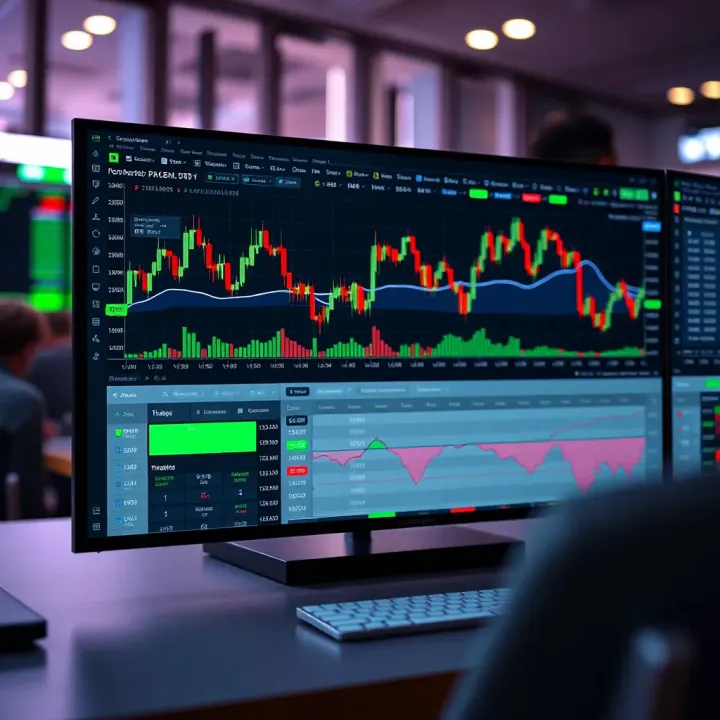
Technical analysis, on the other hand, depends on charts and historical price data to predict future movements. Traders observe patterns, trends, and use indicators such as moving averages or the Relative Strength Index (RSI). For instance, spotting a resistance level on the EUR/USD chart may signal a selling opportunity before the price dips. For Kenyan traders, familiarising themselves with MetaTrader’s built-in chart tools is practical for developing technical skills.
Day trading involves buying and selling currencies within the same day to capture small, quick gains. It suits traders who can monitor the markets frequently and act fast, often using leverage to amplify small price moves. This approach demands discipline not to hold losing trades overnight. Many young Kenyan traders practising alongside work routines find day trading flexible but intense.
Swing trading is a longer-term approach, holding positions from several days to weeks. It lets traders benefit from medium-term trends while avoiding the stress of watching the market every hour. For instance, a Kenyan trader may spot a weakening Kenyan shilling against the dollar and hold a position until signs of reversal surface.
Automated trading systems use algorithms to execute trades based on preset criteria, removing emotional bias. These tools are especially helpful for Kenyan traders who can’t spend all day trading or who want to stick to strict rules. Still, automated systems require monitoring and occasional adjustments. Popular platforms like MetaTrader support such expert advisors (EAs).
Using demo accounts allows traders to practise without risking real money. Kenyan traders can test strategies or new platforms with virtual funds, gaining confidence and understanding market behaviour before going live.
Accessing educational resources such as online courses, webinars by experienced traders, and community forums sharpens skills over time. Kenyan traders benefit from joining local forex groups and following market analysis tailored to African economies. Trading constantly evolves, so staying updated is key to long-term success.
Effective strategies blend knowledge, experience, and discipline. Whether you trade daily or weekly, keeping a learning mindset reduces risks and builds steady growth in forex trading.
Learn how Kenyan traders can use Deriv for forex trading 📈. Get tips on starting, managing risks, and understanding local regulations to trade smartly.

🤖 Explore how forex bot trading works in Kenya, its pros, risks, and tips on choosing and managing automated systems for smarter trading decisions.
📉 Explore binary forex trading with clear insights on strategies, risks, regulations, and tips tailored for traders in Kenya. Trade smarter today!
Explore Deriv Broker's platform, account options, and trading tools designed for Kenyan traders. Get reliable support and start smarter online trading today 📈🇰🇪
Based on 7 reviews