

Guide to Online Forex Trading in Kenya
📈 Learn how to trade forex online in Kenya safely with this practical guide. Discover trusted platforms, risk management, legal tips, and solid strategies to boost your trading.
Edited By
Charlotte Davies
Online trading in Kenya has gained popularity as more people look for ways to invest and grow their money from home or on the go. Whether you are a trader, entrepreneur, or financial analyst, understanding the basics can save you lots of time and prevent costly mistakes. Online trading means buying and selling financial assets like stocks, forex, or commodities through internet platforms rather than physical markets.
Most beginners start by using popular platforms such as NSE Web Trader for shares listed at the Nairobi Securities Exchange, or international platforms like plus500 or eToro for forex and global equities. These platforms let you trade from your laptop or smartphone, making investing accessible outside Nairobi’s central business district.

Before you begin, you must grasp the differences between various markets. For example, stock trading involves buying partial ownership of companies, while forex trading deals with exchanging currencies like the Kenyan Shilling or US Dollar. Knowing which market suits your money, time, and risk appetite is key.
Beware of scams; only register with platforms regulated by the Capital Markets Authority (CMA) in Kenya. They oversee brokers and exchanges to protect investors.
Here’s what a new trader in Kenya should consider:
Start with Learning: Use free resources such as CMA’s investor education materials or trusted financial blogs.
Choose the Right Platform: Look for ease of use, commission fees, customer support, and local payment options like M-Pesa.
Set a Budget: Decide how much KSh you can afford to risk without affecting your daily life.
Practice First: Many platforms offer demo accounts allowing you to trade with virtual money.
Online trading is not a quick way to make money; it requires patience and discipline. But with careful steps and the right choices, you can build a solid foundation for your investment journey in Kenya’s growing market.
Online trading has become increasingly popular among Kenyans seeking to grow their money beyond the traditional savings account or business ventures. Grasping the basics is key because it helps you navigate the markets with confidence and avoid costly mistakes. For example, knowing what different financial markets offer allows you to choose trading options that fit your goals and risk appetite.
Online trading involves buying and selling financial instruments such as shares, currencies, or commodities through internet-based platforms. Instead of going to a physical stock exchange, you perform transactions from your computer or mobile phone. This flexibility makes trading accessible for many Kenyans who can now participate in local and global markets using platforms like Safaricom’s M-Pesa for payments.
Trading stocks means buying ownership interests in companies listed on a stock exchange such as the Nairobi Securities Exchange (NSE). Owning shares means you become a partial owner of a company, sharing in its profits through dividends or capital gains if the share price rises. Many Kenyans invest in blue-chip companies like Safaricom or Equity Bank due to their stable returns. Stocks tend to be popular for long-term growth and building wealth steadily.
Forex trading is buying and selling currency pairs, like the US dollar against the Kenyan shilling. Since currency values fluctuate due to economic indicators and geopolitical events, traders aim to profit from these price movements. For example, if you predict that the dollar will strengthen against the shilling, you might buy USD/KES expecting to sell later at a higher rate. Forex trading usually requires quick decisions and careful risk management due to its volatility.
Commodities include physical goods like gold, oil, or coffee that you can trade on commodities markets. Kenya’s economy involves key commodities such as tea and coffee that are traded internationally. Investing in commodities provides a hedge against inflation and market uncertainties. Traders might use futures contracts or CFDs (Contracts for Difference) to speculate on commodity prices without owning the physical product.
Cryptocurrencies such as Bitcoin or Ethereum are digital assets gaining traction globally, including in Kenya. They operate independently of banks and currencies, based on blockchain technology. Trading crypto is attractive to younger investors seeking fast gains, but it comes with high risk due to price swings and regulatory uncertainty. Many Kenyan platforms now offer cryptocurrency trading alongside traditional assets.
Once you open a trading account on a platform, you deposit funds through methods like bank transfers or M-Pesa. The platform provides real-time market data and trading tools. You place buy or sell orders based on your market analysis or strategy. When your order executes, your account balance updates instantly, reflecting profits or losses. It’s essential to monitor your trades regularly and use tools like stop-loss orders to limit potential losses.
Understanding the basics at the start reduces guesswork and equips you to make informed, timely decisions in online trading.
Knowledge of these core elements sets a foundation to grow as a trader in Kenya’s evolving digital economy.
Selecting the right trading platform is a key step for anyone starting online trading in Kenya. It’s your main gateway to financial markets and can influence your trading success. Picking the wrong platform might lead to unnecessary costs, poor user experience, or even security risks. For instance, a platform without proper regulation could expose your funds to fraud or mismanagement. Therefore, understanding what to look for helps you trade confidently and securely.
Before signing up, check if the platform is regulated by recognised bodies like the Capital Markets Authority (CMA) Kenya or international equivalents. Regulation offers a layer of protection, ensuring the platform follows rules designed to safeguard traders’ interests. For example, the CMA monitors local platforms to prevent fraudulent activities and requires proper disclosure of risks. Using a regulated platform reduces the chance of falling victim to scams, especially important for beginners.
A simple, intuitive interface saves you time and frustration, particularly when executing trades or analysing markets. Platforms like Safaricom’s M-Pesa integration apps or even user-friendly global platforms like eToro provide clear layouts and straightforward navigation. If the platform feels clunky or overloaded with complex features you don’t understand yet, it may distract you from making timely decisions. Starting with an easy-to-use platform means you focus on learning trading instead of fighting the software.

Different platforms charge varied fees for trades, withdrawals, or account maintenance. These could be flat fees per trade or a percentage commission. High charges can eat away your profits, especially if you trade frequently with smaller amounts. For example, one platform might charge KS00 per transaction, while another offers zero commission but a spread markup instead. Paying attention to fees means you keep more of your money and avoid surprises.
Convenient deposit and withdrawal methods matter. Many Kenyan traders prefer platforms that support M-Pesa because it’s widely used, fast, and secure. If a platform doesn’t offer M-Pesa or mobile money options, funding or cashing out might become a hassle, requiring bank transfers that can be slow or incur extra charges. Some platforms also allow bank cards or direct bank deposits, but M-Pesa is often the fastest and easiest for Kenyan users.
Some local platforms cater specifically to Kenyan traders, combining local regulations compliance and payment options like M-Pesa. For instance, platforms like Chaka or Untapped Finance provide access to NSE shares with direct M-Pesa payments. They tend to offer customer support in line with local hours and understand Kenyan market nuances better. Using local platforms can be reassuring for beginners looking for familiar terms and currency handling in Kenyan shillings.
Many Kenyans also use international platforms like eToro, FXTM, or AvaTrade. These platforms provide access to global markets including forex, commodities, and cryptocurrencies. They often come with robust trading tools, research, and sometimes lower fees due to scale. However, they may lack M-Pesa integration directly, requiring third-party transfers or bank payments. International platforms also work under different regulations, so it’s good to verify their credibility and how they handle Kenyan traders’ funds.
Choosing the right platform means balancing security, ease, cost, and payment convenience. Investing time to research this before you open an account pays off in smoother, safer trading experience down the line.
By weighing these factors and knowing your options, you can confidently select a platform that fits your needs and trading goals in Kenya.
Opening a trading account is the first step for anyone serious about entering the world of online trading in Kenya. It acts as your gateway, allowing you to buy and sell assets like stocks, forex, or commodities. Without a properly set up account, you cannot access trading platforms or place orders. Therefore, understanding the requirements and processes involved is crucial for a smooth start.
Setting up the account involves verifying your identity and financial details to comply with regulations. This security measure protects both you and the platform from fraud and ensures your funds remain safe. Additionally, choosing the right account type influences your trading experience, including fees, leverage, and available markets. Getting these basics right can set a strong foundation for your trading journey.
A valid Kenyan National ID or passport is necessary for identity verification. This step is not just a formality; it helps trading platforms confirm that you are who you claim to be, reducing risks of identity theft or money laundering. For Kenyans, using the National ID is most common and straightforward, while passport holders, including expatriates, also qualify. For example, local brokers like Mayfair or international ones operating in Kenya will require scanned copies of your ID before activating your account.
Proof of residence shows where you live, and this could be a utility bill, bank statement, or lease agreement dated within the last three months. Trading platforms need this to comply with regulatory standards that prevent fraudulent activities. For example, if you give your customer's address in Nairobi, the platform will confirm this documentation before you start trading or withdrawing funds. Sometimes, using electronic proof—like an e-statement downloaded from a bank app—is acceptable, making it easier for those living in rented apartments.
Your bank account details link your trading account to your funds. This is critical for deposits and withdrawals. Kenyan traders typically use local banks such as Equity, KCB, or Co-operative Bank. Many platforms now support M-Pesa payments too, but having a registered bank account remains essential, especially for withdrawals. Make sure the bank account name matches your trading account name to avoid delays. This linkage also facilitates smooth transfer of profits or refunds back to your bank without unnecessary complications.
Most trading platforms offer various account types to suit different levels of experience and investment capitals. These might range from basic standard accounts with lower minimum deposits to premium accounts offering better spreads and personal account managers. For instance, a beginner might start with a standard account with KSh 10,000 deposit minimum, while more experienced traders might open a VIP account for faster execution and lower fees.
Each account type can differ in terms of leverage limits, access to advanced tools, and educational resources. Knowing these differences helps you pick an account that fits your trading strategy and budget, avoiding surprises later on. Always check the fees and terms carefully before opening any account.
Setting up your trading account carefully ensures you’re ready to trade confidently and legally. Missing or incorrect documents can delay your start, so gather everything needed before you apply.
Opening and maintaining a well-prepared account is your first practical step into online trading, and it’s best done thoroughly from the beginning.
A solid trading plan is the foundation for anyone wanting to succeed in online trading. It maps out your objectives, budgets, and the tactics you’ll use to make decisions. Without it, you risk jumping into trades blindly, which can lead quickly to losses. In Kenya’s changing market conditions—affected by local events or global shifts—it helps keep your trading on track and your emotions in check.
Setting realistic goals keeps your trading grounded. For example, aiming to make consistent monthly profits of 3-5% on your invested capital is sensible rather than hoping to double your money overnight. This approach also keeps you focused and less likely to chase risky trades driven by greed or panic. Consider your available capital, time, and market knowledge when setting these goals. If you’re a full-time worker, daily trading might be unrealistic, but weekly targets could work better.
Day trading involves buying and selling assets within the same day to profit from small price changes. Many beginners get attracted to day trading because of its promise of quick returns. However, it demands sharp attention and a good grasp of market patterns. For example, in the Nairobi Securities Exchange (NSE), day traders might focus on shares of banks or telcos that tend to move actively. Since markets close early and have lower volumes compared to global ones, you must be cautious with timing and costs like commissions.
Swing trading takes advantage of medium-term price movements, holding positions from several days up to a few weeks. It suits traders who can check the market regularly but don’t want the stress of daily trading. For instance, you might buy shares in a Kenyan energy company expecting a price rise due to government policy changes, then sell after the trend shifts. Swing trading blends patience and market study and is less time-consuming than day trading.
Buy and hold is a long-term strategy where investors keep assets for months or years, riding out market ups and downs. Many Kenyans use this approach for shares in blue-chip companies like Safaricom or Equity Bank, expecting steady growth and dividends. This method requires less active management and suits those with limited time or lower risk appetite. It’s a way of building wealth gradually through the NSE or even cryptocurrencies, provided one understands the risks.
Tracking your trades in a journal is a simple but powerful discipline. Write down details like why you entered a trade, the price, your goal, and how you felt mentally. Revisiting this helps identify patterns in your decisions—whether good or bad. For example, you might notice that you tend to exit too early when profits are small or hold losing positions hoping they’ll recover. Over time, this self-awareness improves your strategy and stops repeated mistakes, especially valuable for beginners navigating the Kenyan market.
A trading plan backed by a journal turns guesswork into informed action. It’s your best tool for learning and improving.
Having a clear plan and sticking to it supports consistent progress, helping you avoid rash moves driven by hype or fear. The right strategies and honest reflection can set you on a steady path in online trading with realistic expectations.
Managing risks is one of the key pillars of successful online trading, especially for beginners navigating the markets in Kenya. Without proper risk control, even small investments can quickly spiral into big losses. Protecting your capital means you can stay longer in the market and learn from experience instead of facing total wipeouts early on.
Setting stop-loss orders is a practical way to limit losses on a trade. This tool tells your platform to automatically sell a security once it falls to a certain price you set. For example, if you buy shares in a Kenyan company at KS00, you might place a stop-loss order at KSh90. If the share price drops, you exit with a controlled loss rather than watching your investment shrink further. This is especially useful in fast-moving markets like forex or cryptocurrencies where prices can swing sharply within minutes.
Diversification means spreading your investments across different assets or sectors rather than putting all your money in one place. In the Kenyan context, you might diversify by investing in NSE-listed stocks, a bit of forex trading, and some commodities like coffee or tea futures. This spreads the risk — a drop in one market is less likely to wipe out your whole portfolio. Think of it like not putting all your eggs in one basket; if one basket falls, the others can still keep you afloat.
Leverage lets you trade with more money than you actually have, but it can work both ways. While it magnifies your earnings, it also increases potential losses. Using high leverage without experience is like driving fast on a bumpy road — risky and often ends badly. Limiting leverage to manageable levels (for instance, 1:5 instead of 1:100) helps protect your investment and gives you a chance to understand market movements without risking your entire capital in one trade.
Fraudulent schemes often target new traders with promises of guaranteed returns or insider tips. In Kenya, some scams may come disguised as online investment clubs or shady trading apps that vanish once they collect funds. Watch out for platforms asking for upfront fees without proper regulation or those pressuring you to invest quickly. Trust your instincts; if an offer sounds too good to be true, it probably is.
Choosing well-known, regulated trading platforms helps you avoid scams and technical issues. In Kenya, platforms licensed by the CMA (Capital Markets Authority) offer a stronger layer of safety. Additionally, selecting platforms that accept M-Pesa payments adds convenience and a trail for your transactions. Avoid hopping between unknown apps without clear credentials; consistency with trusted platforms protects both your money and personal information.
Managing risks isn’t about avoiding losses entirely but limiting them so you can survive to trade another day. Every shilling protected builds your trading journey.
Managing risks thoughtfully is what separates casual dabblers from serious traders. By using stop-loss orders, diversifying your assets, limiting leverage, and staying clear of scams, you can build a safer, more confident approach to online trading in Kenya.
Gaining a solid understanding and keeping updated with market trends are key to successful trading. Accessing reliable resources and engaging with supportive communities can sharpen your skills, lower risks, and improve decision-making. Especially for beginners in Kenya, knowing where to find practical and localised guidance helps build confidence and avoid common mistakes.
Free resources provide a great starting point for any trader. Many Kenyan traders benefit from educational content available through Safaricom’s M-Pesa tutorials, Youtube channels focusing on NSE trading, and free webinars often hosted by local brokers like Nairobi Securities Exchange Certified Trainers. These resources cover basics such as reading stock charts, understanding Forex pairs like USD/KES, and the impact of economic indicators such as CBK announcements. Free blogs and podcasts tailored to Kenyan markets can also help you stay abreast of trading opportunities without costing a shilling.
On the other hand, paid courses relevant in Kenya offer more structured learning experiences. Platforms like Udemy, Coursera, and local institutions such as Strathmore Business School often provide courses on investment strategies tailored for East African markets. These programs dive deeper, including risk management techniques and advanced charting tools, often with certification that can boost your credibility. While these courses require financial commitment, they may offer value, especially if you're keen to trade beyond the basics or seek mentorship from seasoned Kenyan traders.
Social media groups are vibrant spaces where Kenyan traders share insights, ask questions, and discuss market moves. Facebook groups like "Kenyan Stock Market Enthusiasts" or WhatsApp circles dedicated to Forex and cryptocurrencies bring experienced and rookie traders together. These platforms often break down how local events—like election outcomes or fuel price changes—affect trading. Participating in these groups provides real-time updates and practical advice but requires caution to distinguish credible info from noise.
Meanwhile, local trading communities such as investor clubs in Nairobi and Mombasa offer face-to-face networking and learning opportunities. These gatherings often feature guest speakers like brokers or finance experts who focus on Kenyan financial instruments, including government bonds or NSE equities. Joining a local club allows you to exchange firsthand experiences, attend workshops, and build trusted connections that are invaluable in navigating Kenya’s unique trading landscape.
Acting on well-informed knowledge from trusted resources and communities will give you a better chance to succeed without being overwhelmed by the many pitfalls in online trading.
This approach to learning and engagement equips you with practical know-how rooted in Kenyan contexts, which is often missing in generic global trading advice.
📈 Learn how to trade forex online in Kenya safely with this practical guide. Discover trusted platforms, risk management, legal tips, and solid strategies to boost your trading.
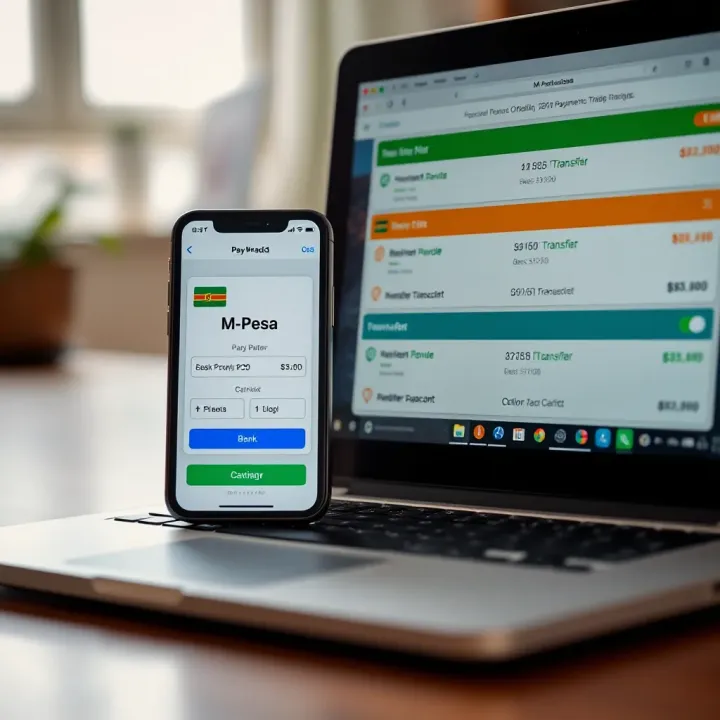
📈 Learn practical steps to trade online in Kenya safely using M-Pesa, bank options, and trusted platforms. Understand risks, regulations, and tips for success. 💻🇰🇪

📈 Learn how forex trading works in Kenya, key terms, smart strategies, and risk safeguards. Get practical tips to start trading confidently and avoid common mistakes.

📈 Explore Quotex, an easy digital options platform with simple setup, M-Pesa payments, and local strategies for Kenyan traders to boost skills while managing risks well.
Based on 11 reviews