
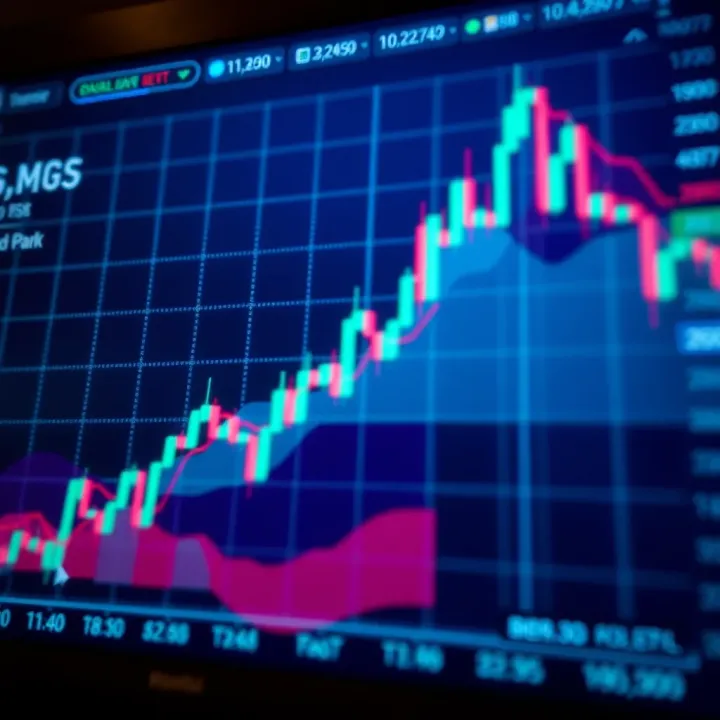
Forex Trading for Beginners in Kenya
📈 Ready to start forex trading in Kenya? Learn the basics, how to use tools, manage risks, and practical tips to trade confidently and grow your KSh wisely. 💡
Edited By
Sophia Clarke
Forex trading means buying and selling currencies from around the world aiming to make a profit. In Kenya, interest in forex trading has grown thanks to easy internet access, mobile money platforms like M-Pesa, and the desire for alternative income sources.
The forex market is the largest financial market globally, with daily trading volumes exceeding $6 trillion. Unlike the stock market, forex operates 24 hours a day during weekdays, giving traders flexibility to act at any time. However, it also moves fast and can be risky without the right knowledge.
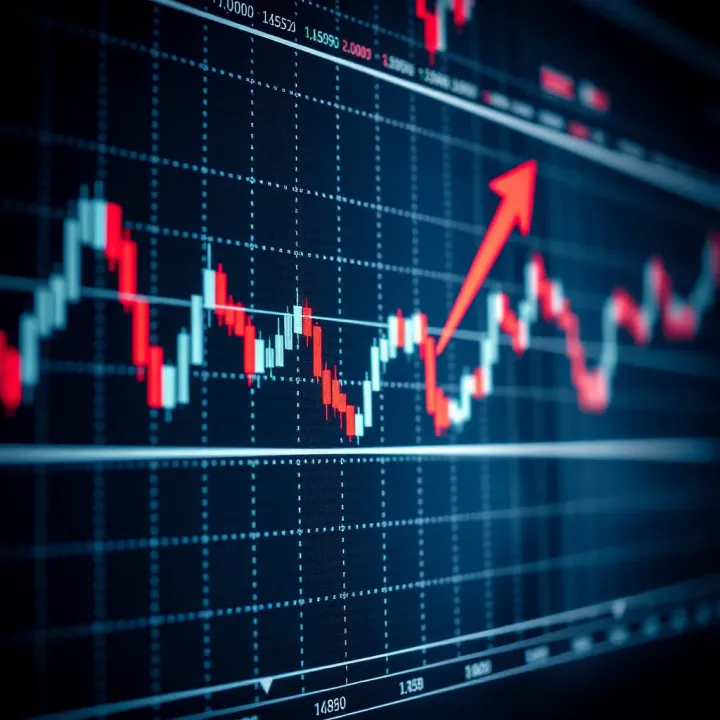
To start trading forex effectively, understanding key terms is vital. Here are a few basics:
Currency Pair: The two currencies you trade, such as USD/KES (US Dollar/Kenyan Shilling).
Pip: The smallest price move a currency pair makes, usually the fourth decimal point.
Leverage: Allows you to control a larger position with a small deposit but increases risk.
Spread: The difference between the buying and selling price of a currency pair.
Successful forex trading combines strategy, discipline, and solid knowledge of the market and risks involved.
Kenyan traders often start by practising with demo accounts offered by platforms like FXTM or AvaTrade before investing real money. This helps familiarise with the trading environment and tools without financial risk.
Next, it's wise to build a clear trading plan. This should include:
Defining your goals (profit expectations, risk tolerance).
Choosing currency pairs you understand well.
Setting stop-loss orders to limit potential losses.
Keeping a trading journal to track performance and improve.
Remember, forex trading is not a get-rich-quick scheme. It requires patience and continuous learning. Local examples, such as traders who started with KS0,000 and grew their accounts steadily over several months, show the value of disciplined trading.
In the following sections, we'll cover practical strategies, risk management techniques, and steps to open your first trading account in Kenya. This will equip you with the right tools to start confidently and wisely navigate the forex market.
Understanding the forex market is a fundamental step for anyone looking to trade currencies confidently. This market is where currencies from different countries are bought and sold, influencing everything from import prices to travel costs. For traders and investors in Kenya, grasping how the forex market operates helps in making informed decisions, especially since currency movements can be swift and sometimes unpredictable.
Forex trading is essentially exchanging one currency for another with the aim of making a profit. For example, if you expect the US dollar (USD) to strengthen against the Kenyan shilling (KES), you might buy USD/KES with the hope of selling later at a higher rate. This market is purely about currency pairs and their relative values.
Currencies are traded globally through a network of banks, brokers, and financial institutions rather than a single physical exchange. That means trading can happen 24 hours a day, five days a week, as markets in Tokyo, London, and New York open and close. This global setup allows Kenyan traders to jump in at almost any time, choosing when market conditions suit their strategies.
Market hours and liquidity play a significant role in forex trading. Liquidity refers to how easily you can buy or sell a currency without causing a big price change. Major market sessions like London’s tend to have higher liquidity, meaning tighter spreads and better price stability. For example, trading during Nairobi’s afternoon hours overlaps with London’s market, offering good activity and decent liquidity for currencies involving KES.
Popular currency pairs involving the Kenyan shilling such as USD/KES attract significant attention from local traders. This pair is sensitive to economic conditions in both the US and Kenya. On the other hand, global pairs like EUR/USD are the most traded worldwide, noted for their liquidity and predictability compared to more volatile or less common pairs.
In any currency pair, the first currency listed is known as the base currency, while the second is the quote currency. For instance, in USD/KES, the USD is the base currency, and KES is the quote currency. This means the price shows how many Kenyan shillings one US dollar can buy. Understanding this helps traders interpret price changes correctly and decide when to enter or exit trades.
Volatility and trading volume also differ across pairs. Some pairs like USD/JPY or EUR/USD tend to have stable yet predictable price movements, making them suitable for many traders. Meanwhile, USD/KES might show more volatility, especially with Kenyan political or economic developments. High volatility can mean bigger profits but also higher risks, so recognising these patterns is essential for managing your trades well.
Knowing how different currency pairs behave at different times can help you plan trades better and avoid unnecessary risks.
By focusing on these aspects, Kenyan traders can approach forex trading with a clearer view of what drives prices and how global events might impact their positions. This practical understanding sets the foundation for developing effective trading strategies and avoiding common pitfalls.
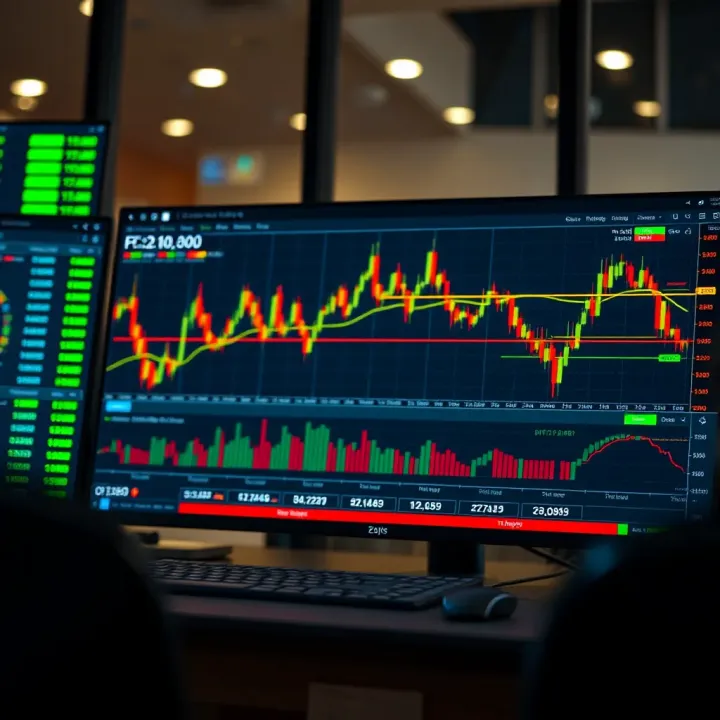
Understanding essential forex trading terms is a must for anyone beginning to trade currencies. These terms form the foundation of all trades and help you know exactly what’s going on with your money. Without this knowledge, even the best strategies can fail because you won’t fully grasp the mechanics of each trade or the risks involved.
Pip, lot size, leverage are basic terms every trader needs to know. A pip is the smallest price move a currency pair can make, often the last decimal point, such as 0.0001 for most pairs. For example, if USD/KES moves from 110.5000 to 110.5100, that's a 1 pip move. The lot size tells you how much currency you’re trading in one deal. A standard lot equals 100,000 units of the base currency, but many brokers offer mini or micro lots, which means you can start trading with smaller amounts, say 1,000 units. Leverage lets you control a larger position with a smaller amount of your own money. If you have KSh 10,000 in your account and use 1:100 leverage, you can trade up to KSh 1,000,000 worth of currency. This expands your potential profits but also increases risks.
Next, the spread, bid and ask price affect your entry and exit points in trading. The bid price is what buyers are willing to pay, while the ask price is what sellers want. The spread is the difference between these two prices. For instance, if the bid for EUR/USD is 1.1200 and the ask is 1.1203, the spread is 3 pips. This spread is essentially a cost—you buy at the higher ask price and sell at the lower bid price, so the market must move in your favour enough to cover this gap before you see profit.
Long vs short positions describe whether you expect a currency to increase or decrease in value. Taking a long position means buying the currency pair, anticipating the base currency will strengthen against the quote currency. Conversely, a short position means selling, betting the base currency will weaken. For example, if you believe the USD will strengthen against the KES, you take a long position on USD/KES. Understanding these positions helps you act correctly on market trends, whether prices are rising or falling.
How leverage works in forex is straightforward yet powerful. Leverage acts like a loan from your broker; it boosts your buying power beyond your deposited funds. Trading with 1:50 leverage means that with KSh 20,000, you can open a position worth KSh 1,000,000. This flexibility allows traders to target bigger returns without needing huge capital upfront.
However, there are risks of trading on margin to consider seriously. Since leverage is borrowed money, losses can pile up quickly. If the market moves against your position, your losses multiply, potentially exceeding your initial deposit. This can result in a margin call, where the broker demands additional funds to keep your position open or closes it automatically to prevent further loss.
Finally, impact on profit and loss is amplified by leverage and margin use. Suppose you trade with no leverage: a 1 pip gain might bring minimal returns. Using leverage, the same pip movement could produce significant profit. But the same magnification applies to losses. It's essential to monitor these effects closely and use tools like stop-loss orders to protect your capital.
Mastering these terms is more than just academic—it shapes how you manage trades and control risk in your forex journey.
This basic vocabulary will build confidence and improve your decision-making, making sure you don't get caught off-guard by market moves or broker terms. Knowing these terms lets you trade smarter in the Kenyan forex market and beyond.
Understanding basic forex trading strategies is essential for any beginner keen on navigating the currency market effectively. These strategies help traders make informed decisions by analysing market movements, reducing losses, and maximising profits. Without a clear approach, trading can be more like gambling — risky and unpredictable.
Using economic indicators plays a key role in forex markets. Indicators such as GDP growth rates, unemployment figures, inflation rates, and retail sales numbers offer insight into a country's economic health. For example, if Kenya’s GDP unexpectedly rises, the shilling (KES) might strengthen against other currencies due to higher investor confidence. Traders follow scheduled releases of these statistics closely, as sharp movements can occur, presenting trading opportunities.
Impact of political events cannot be underestimated. Elections, policy changes, geopolitical tensions, or trade agreements influence currency values. Consider Kenya’s elections — uncertainty leading up to the polls often causes the shilling to weaken because investors prefer stability. Similarly, major announcements from the East African Community (EAC) on trade policies can affect regional currencies. Being watchful about such events and understanding their potential impact allows traders to anticipate market reactions.
How central bank policies affect currencies is another critical aspect. Central banks, like the Central Bank of Kenya (CBK), control monetary policy by adjusting interest rates or engaging in quantitative easing. Higher interest rates typically attract foreign investment, strengthening a currency. For instance, if the CBK raises rates to curb inflation, the KES might gain value. Conversely, lowering rates usually weakens the currency to encourage borrowing and spending. Traders track central bank statements and decisions to align their trades accordingly.
Reading candlestick charts is a fundamental skill in technical analysis. Each candlestick shows price movement within a given timeframe and reveals the opening, closing, highest, and lowest prices. For example, a long green candlestick indicates strong buying pressure. By spotting patterns such as ‘doji’ or ‘hammer’, traders can predict potential price reversals or continuations. This visual approach helps simplify complex market data.
Common technical indicators like the Relative Strength Index (RSI), Moving Averages (MA), and Bollinger Bands guide traders on entry and exit points. RSI shows overbought or oversold conditions; a reading above 70 might signal a currency is overvalued and due for a fall. Moving averages smooth out price data to identify trends; crossovers of short-term and long-term MA lines often signal buy or sell moments. These indicators help traders avoid emotional decisions and follow data-driven strategies.
Identifying trends and reversal points involves observing whether a currency pair is generally moving up (bullish), down (bearish), or sideways (range-bound). For instance, if USD/KES repeatedly bounces off a certain price level, it forms support — a reversal point where buyers tend to enter. Recognising these levels and chart patterns enables traders to time their trades better, improving their chances of profit.
Successful forex trading comes from combining fundamental insights with technical tools, providing a balanced view of the market’s movements and opportunities.
Managing risks is central to succeeding in forex trading, especially for beginners. This process helps you protect the money you’ve invested and avoid the kind of losses that can quickly drain your trading account. Forex markets are volatile, meaning prices can shift sharply within minutes. Without a clear risk management approach, you might lose more than you planned, making your trading journey stressful rather than profitable.
Setting stop-loss and take-profit levels helps you control how much you're willing to lose or gain on each trade. A stop-loss order automatically closes your position when the market moves against you by a certain amount. For example, if you buy USD/KES at 110 and set a stop-loss at 108, your trade will close before losing more than 2 shillings. This prevents those sudden big losses that drain accounts. Similarly, a take-profit order locks in gains once your target price is reached. This way, you don’t have to watch the market constantly to manually close trades.
Avoiding over-leverage is another key practice. Leverage lets you control large trade sizes with little capital, but it can amplify losses just as fast as profits. For instance, with 1:100 leverage, a 1% price move against your position means a 100% loss of your invested margin. Many new traders make the mistake of using too much leverage hoping for quick wins but ending up losing much more than expected. Conservative leverage ratios—like 1:10 or 1:20—give you more room to manage trades without being wiped out by small market swings.
Maintaining a trading plan means having clear rules for when to enter and exit trades, how much to risk, and what your goals are. This plan keeps your decisions objective rather than emotional. Imagine you decide in advance that each trade won’t risk more than 2% of your total capital. When the market turns volatile, sticking to this rule prevents panic decisions. It also helps in reviewing your trades to find what worked or failed so you can improve continuously.
Dealing with emotions like fear and greed is stubbornly difficult but necessary. Fear can cause you to exit trades too early, missing out on profits, while greed tempts you to hold on too long or risk too much, hoping for bigger gains. For example, a trader might close a profitable USD/EUR trade just after a small gain because they worry the market will reverse. On the flip side, they may hold a losing trade to “recover losses”, only to sink deeper. Recognising these feelings and understanding how they affect decisions can help you stick to your strategy rather than chasing whims.
Staying disciplined means doing what your trading plan says, even when the market is tempting you otherwise. Discipline prevents impulsive trades based on rumours or tips. It's like a bodaboda rider sticking to traffic rules despite the rush. Trading without discipline is gambling, not investing. Use daily or weekly reviews to check if your trades matched your plan and adjust your approach accordingly.
Learning from mistakes rounds off risk management. Every trader faces losses, but those who accept and review them improve faster. Keep a trade journal noting why you entered and exited positions, and what emotions or information influenced you. Over time, this record reveals bad habits or recurring errors. For instance, if you notice you often lose money trading before Kenyan market openings, you might decide to avoid that time frame.
Good risk management combines solid numbers and emotional control. Traders who master both keep their capital safe and increase their chances of profits gradually.
By focusing on these risk controls and psychological habits, you build a strong foundation for forex trading, reducing stress and improving your chances of long-term success.
Starting forex trading in Kenya involves practical steps that lay the foundation for your trading journey. Knowing how to select a reliable broker, effectively use trading tools, and manage your account funding and withdrawals directly impacts your day-to-day trading experience and long-term success.
Regulated brokers in Kenya are those authorised and overseen by the Capital Markets Authority (CMA). Trading with a CMA-regulated broker offers protection because these brokers follow set rules designed to safeguard investors’ funds and ensure fair trading. For instance, a regulated broker must keep client funds in separate accounts, away from their own operating funds, which reduces the risk of losing your money if the broker faces financial problems.
Factors to consider when selecting a broker include transparency, trading costs like spreads and commissions, and the quality of customer support. You should also check if the broker offers access to the currency pairs you want to trade, especially local pairs such as USD/KES. Some brokers feature educational resources and market analysis tools, which can be helpful when starting out.
Opening a trading account typically requires submitting basic identification and proof of residence, in line with Kenya's regulatory framework. Many brokers offer straightforward online application processes, making it easy for Kenyans to start. After verification, you’ll often be able to start trading immediately or use a demo account first if you prefer.
Popular platforms like MetaTrader 4 and MetaTrader 5 dominate forex trading in Kenya due to their user-friendly interfaces and robust features. They allow you to place trades, apply technical indicators, and manage your portfolio all in one place. These platforms are compatible with computers and mobile devices, letting traders stay connected wherever they are, whether at a cyber or commuting by matatu.
Practice with demo accounts provided by most brokers gives new traders a chance to learn without risking real money. For example, you can trade simulated KSh balances using real market conditions. This is invaluable for testing strategies and getting familiar with platform functions before committing.
Accessing market news and analysis is key for informed trading decisions. Good brokers and platforms integrate news feeds from sources such as Bloomberg or Reuters, offering updates on global economic events and Kenyan policies that often move currency prices. Staying informed about the Kenyan shilling or major currency shifts helps you spot trading opportunities or risks early.
Using M-Pesa and bank transfers remains the most convenient and trusted methods for Kenyan traders to fund forex accounts. M-Pesa allows instant deposits from your mobile wallet directly into the brokerage account, eliminating delays common with bank transfers. Some brokers also accept local bank payments, useful for larger deposits.
Minimum deposit requirements vary by broker, but many allow you to start with as little as KS,000 to encourage beginners. Knowing the minimum deposit helps you manage your capital wisely and avoid tying up too much money upfront, especially when testing your trading approach.
Withdrawal processes and fees differ but good brokers process requests promptly, typically within 24 to 72 hours. Some charge withdrawal fees or have limits on the number of monthly withdrawals, so it’s wise to check this beforehand to avoid unnecessary costs. Efficient withdrawals mean you can access your profits conveniently, whether to reinvest or use for other expenses.
Starting your forex trading the right way in Kenya depends much on choosing trustworthy brokers, learning platform tools thoroughly, and managing funds smartly. This ensures you can focus on trading confidently without unexpected surprises.
📈 Ready to start forex trading in Kenya? Learn the basics, how to use tools, manage risks, and practical tips to trade confidently and grow your KSh wisely. 💡
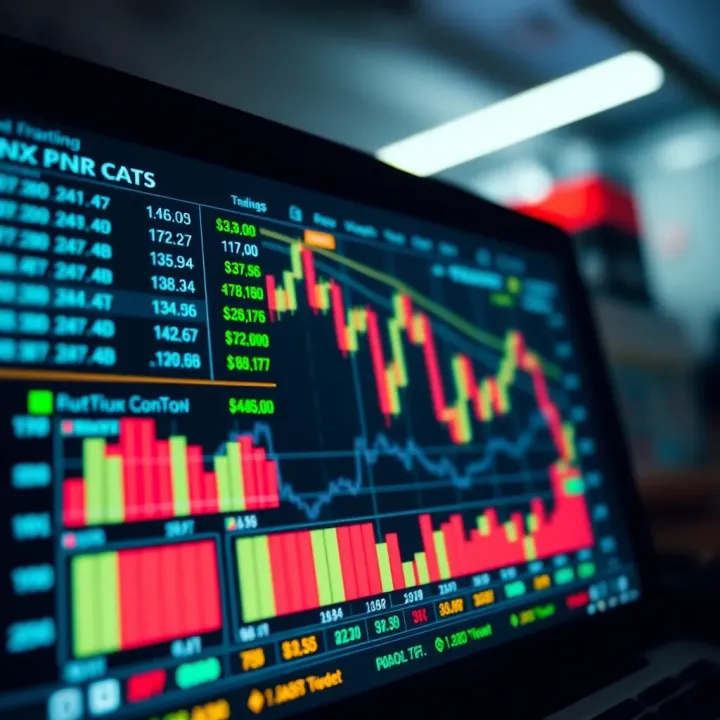
📈 Learn how to trade forex online in Kenya safely with this practical guide. Discover trusted platforms, risk management, legal tips, and solid strategies to boost your trading.
Learn how Kenyan traders can use Deriv for forex trading 📈. Get tips on starting, managing risks, and understanding local regulations to trade smartly.
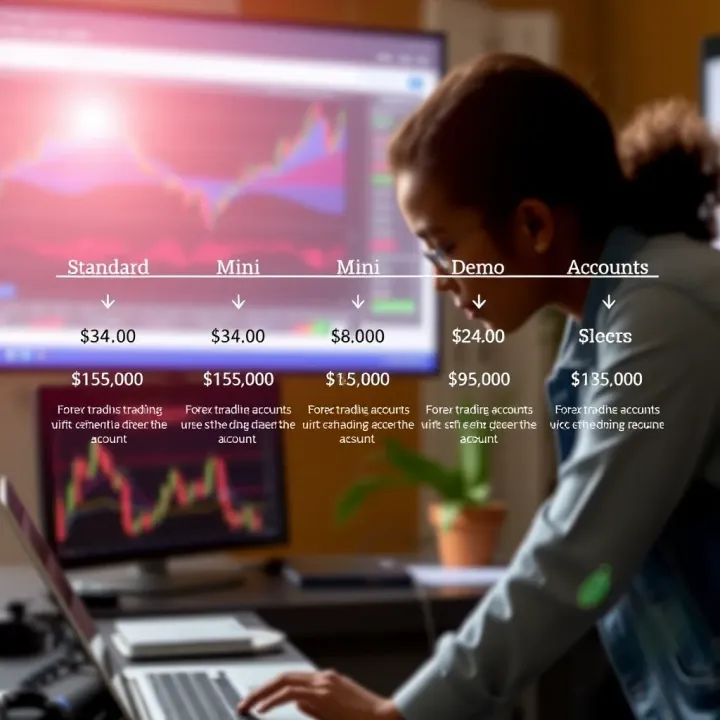
📈 Discover how to open and manage your forex trading account tailored for Kenyan traders. Learn account types, local tips, and how to trade confidently in KSh.
Based on 13 reviews