

CFD Trading Guide for Kenyan Investors
📈 Discover how CFD trading works in Kenya with this practical guide. Learn strategies, risk tips, and legal essentials to trade confidently and safely.
Edited By
Emily Lawson
Trading online in Kenya has grown rapidly as more people seek ways to increase their income beyond traditional jobs. Whether you are a small-scale entrepreneur, investor, or financial analyst, understanding how to trade online safely and effectively is key. The good news is that Kenya offers multiple platforms and payment options that suit local needs, but you need to be careful about risks and regulatory requirements.
Unlike the old days, you no longer need huge capital or physical shops to start trading. Online platforms cover various assets such as shares listed on the Nairobi Securities Exchange (NSE), cryptocurrencies, forex, and commodities. Each of these markets has its own dynamics and hours, so knowing the basics helps you make smarter decisions.
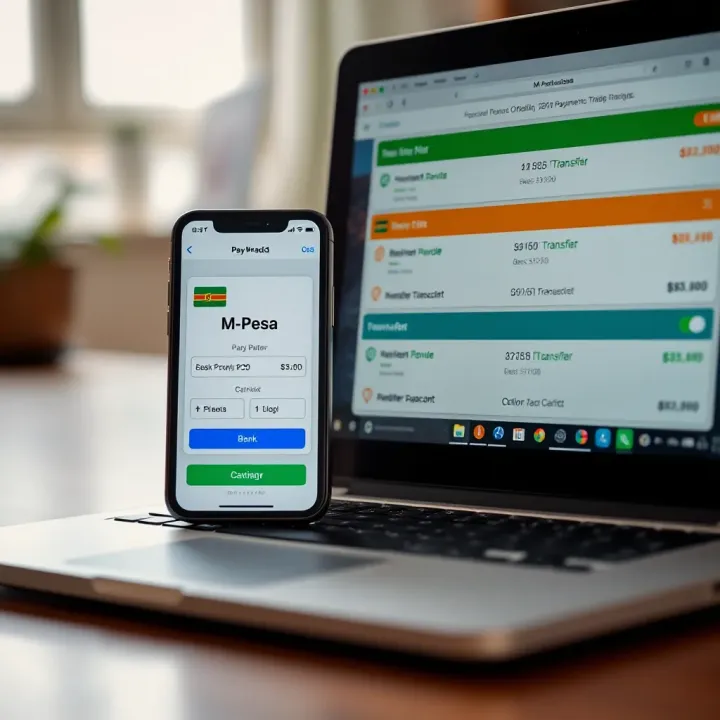
Payment methods also matter. M-Pesa remains the backbone of financial transactions in Kenya, making deposits and withdrawals straightforward for most traders. Bank transfers and card payments are additional options, especially for those operating on international platforms.
Before trading, always check whether a platform is licensed by the Capital Markets Authority (CMA) or other relevant regulators. This helps avoid scams and protects your money.
You will find this guide covers step-by-step instructions on picking trading platforms, funding your account, managing risks, and navigating regulations. It also shares practical tips to improve your trading results without rushing into questionable deals.
If you keep informed and follow the advice here, you’ll stand a better chance of profiting steadily while avoiding common pitfalls. Kenyan online trading is convenient and accessible, but it must be done responsibly.
Trading online has become a common way for Kenyans to engage in financial markets without the constraints of physical presence or traditional setups. Understanding what online trading entails and the advantages it offers helps investors, brokers, and entrepreneurs make informed decisions and use resources efficiently.
Online trading is the buying and selling of financial instruments over the internet. Instead of visiting a physical exchange or broker’s office, traders use computer or mobile platforms to execute orders. This approach is accessible anywhere there’s internet, which is practical for Kenyans in Nairobi, Mombasa, or smaller towns.
Traders can buy and sell various assets online. Common asset types include stocks from companies listed on the Nairobi Securities Exchange (NSE), foreign exchange currencies, commodities like gold or oil, and derivatives like options. Each asset class has different risk profiles and potential returns, meaning traders must choose according to their goals and knowledge.
Online trading differs from traditional trading primarily through speed, accessibility, and cost. Unlike booking trades via phone calls or brokers, online platforms show real-time data and enable immediate execution. This quick responsiveness is vital when markets move fast. Also, traders do not need a physical broker in the loop, cutting down middleman costs.
One standout benefit is 24/7 market access. Many international markets operate outside Kenyan business hours, so online platforms keep trading desks open round-the-clock. For example, forex trading remains active while Nairobi sleeps, allowing fishermen in Kisumu or farmers in Eldoret to trade updates from London or New York. This flexibility helps Kenyans respond quickly to price changes.
Lower transaction costs come from fewer intermediaries and reduced paperwork. Traditional brokers may charge high commissions or fees for handling paperwork and orders. Online brokers often offer more competitive charges, helping traders keep more of their profits. This makes online trading attractive even for those starting with small amounts like KS,000 from a side hustle.
The convenience and flexibility of online trading suits Kenya’s busy lifestyles. You can check your portfolio during a matatu ride or from your office computer. Mobile trading apps, common in Kenya, allow you to place orders in seconds, track price charts, or set stop-loss limits without waiting in queues. This ease of use encourages more people to participate, even part-timers or entrepreneurs wanting an extra stream of income.
Online trading in Kenya offers a practical way to engage with financial markets anytime and almost anywhere, especially with popular payment options like M-Pesa integration.
By understanding these basics and benefits, traders can approach online markets confidently, avoid costly mistakes, and leverage Kenya’s growing connectivity to their advantage.
Selecting the right online trading platform is a key step for Kenyan traders looking to succeed. The choice affects user experience, costs, security, and access to local markets. With many platforms available, from local services to international brokers, knowing what to look for saves you from needless hassle and risk.
Local platforms versus international brokers
Kenya’s local trading platforms often offer services tailored to the domestic market, including easy integration with M-Pesa for deposits and withdrawals. For example, some local brokers provide direct access to the Nairobi Securities Exchange (NSE) and support Kenyan tax compliance. International brokers typically offer wider asset classes such as forex, commodities, and global stocks, but may lack local payment options or the personalised support Kenyan traders might want.
Choosing between the two depends on your trading goals: if you want to focus on NSE shares and support in Kiswahili or English, local platforms could be a better fit. If you're eyeing global markets, international brokers like eToro or IG might offer more variety but usually require bank transfers rather than mobile money.
Nairobi Securities Exchange (NSE) online portals
NSE provides online portals where retail investors can access trading, market data, and regulatory updates. Some licensed brokers link directly to NSE systems, making it easier for Kenyan traders to buy or sell securities quickly. These portals give you official market information, ensuring transparency and compliance.
Trading through NSE-linked platforms also means your investments are protected by Kenyan laws overseen by the Capital Markets Authority (CMA). This protection is crucial when compared to some international platforms where Kenyan consumer laws may not apply.
Mobile trading apps compatible with Kenyan devices
Mobile apps have transformed trading in Kenya, allowing people to buy and sell securities anytime from their smartphones. Popular apps like the NSE Mobile app and those from Safaricom’s partners support M-Pesa payments, which makes trading convenient for many.
When choosing a mobile app, check for compatibility with your device, regular updates, and user-friendly features such as real-time price alerts and portfolio tracking. Apps with direct M-Pesa integration also cut down on delays and extra banking steps.
Ease of use and interface language
The platform should be easy to navigate, with clear layouts even for beginners. A complex interface can discourage trading or lead to costly mistakes. Look for platforms that offer English or Kiswahili interfaces, or both, especially if you prefer one language over the other.

Trial versions or demo accounts help test the usability and ensure you can execute trades without frustration. For example, a simple, clean dashboard where you can quickly view your portfolio and execute transactions is ideal.
Fees, charges, and commission structures
Trading fees matter a lot. Different platforms have varying commission rates, withdrawal fees, or inactivity charges. Sometimes a low commission is offset by high withdrawal costs, so it’s wise to consider the overall expense.
Local platforms might charge flat fees for NSE trades, while international brokers may use percentage-based commissions on larger trade volumes. Always read the fine print. For instance, brokers connected to the NSE usually show all fees upfront on their websites.
Customer support and training resources
Reliable customer service is crucial, especially if technical issues or disputes arise. Kenyan traders should look for support in local languages and available during convenient hours for the Kenyan time zone.
Also, platforms offering educational materials, webinars, or tutorials add value—helping you understand market basics or advanced strategies. For instance, some Kenyan brokers provide weekly market updates and trading tips that can improve your skills over time.
Choose a platform that balances cost, convenience, and support to build confidence in your trading journey. Don’t rush; test several options before you commit.
This approach helps Kenyan traders avoid common pitfalls and make informed decisions, whether you are trading NSE stocks or forex through an international broker.
Ensuring safe and reliable payments is a key part of online trading in Kenya. Whether you're depositing funds to start your investment or withdrawing your profits, secure transactions protect you from fraud and delays that can disrupt trading activities. This section covers common payment methods and practical tips to help you handle your money confidently.
M-Pesa is by far the most popular mobile money service in Kenya, widely accepted for online trading payments. Many trading platforms now allow direct M-Pesa deposits, making it easy to fund your account instantly without complicated bank procedures. For example, platforms linked with Safaricom’s Lipa Na M-Pesa service enable you to pay using your phone, with transaction confirmation sent immediately.
This integration suits local traders as it avoids bank delays and supports traders in regions with limited banking access. It also lowers transaction costs compared to international bank transfers, saving you both time and extra charges.
Using bank transfers remains a common option, especially for larger amounts. Most Kenyan traders use mobile banking apps from Equity Bank, KCB, or Co-operative Bank to transfer funds quickly to trading platforms linked with trusted banks. This method is reliable but sometimes slower, depending on the platform’s payment processing times.
Mobile banking apps also let you verify transaction history, helping you track deposits. Some platforms require a unique reference number during bank transfers to match payments correctly, so always check the payment instructions carefully.
Debit and credit cards offer convenience for international and local trading sites that accept global payments. Visa and Mastercard cards issued by Kenyan banks work well for deposits and withdrawals, especially on international brokerages.
Still, traders should be aware of potential foreign currency fees and the risk of card fraud. Using cards with verification steps like Verified by Visa adds a layer of security. Besides, some traders prefer cards for smaller transactions due to their speed and ease.
Always confirm that the payment gateway on the trading platform is secure before submitting financial details. Look for the padlock icon in your browser’s address bar and check the URL starts with "https". Such encryption protects your data from interception.
Further, reputable trading platforms use trusted third-party payment processors like PayPal or local providers integrated with M-Pesa, reducing the risk of fraud.
Be cautious of platforms requesting direct bank account details via email or chat—official payment pages are safer.
Never share sensitive details such as PINs, passwords, or full card numbers publicly or over unsecured communication channels. Set strong, unique passwords for your trading accounts and consider two-factor authentication where available.
Also, keep your device’s antivirus up to date. Public Wi-Fi should be avoided for trading transactions because it poses risks of hacking.
Online trading attracts fraudsters, so be alert to phishing schemes promising guaranteed profits or insider tips. Always verify the legitimacy of brokers through the Capital Markets Authority (CMA) Kenya website.
Be wary of unsolicited messages asking for money or banking details. Double-check website URLs to avoid fake platforms that mimic legitimate ones. If a deal sounds too good to be true, it probably is.
Following these tips keeps your trading funds safe and ensures smooth payment and withdrawal experiences in your online trading journey in Kenya.
Online trading in Kenya offers exciting opportunities, but it also comes with risks and legal responsibilities. Managing these risks and staying compliant with regulations protects your investments and keeps you on the right side of the law. As a trader or investor, knowing what dangers to watch out for and understanding your obligations will help you avoid costly mistakes.
Market volatility and price fluctuations can quickly change the value of stocks, forex, or commodities you trade. In Kenya, this is especially relevant given the influence of local factors such as political events, weather affecting agriculture, and global economic shifts. Prices can swing in minutes, so traders should be ready for sudden changes and avoid investing money they cannot afford to lose. For example, a drop in agricultural exports due to drought may cause shares in related companies to fall sharply.
Fraudulent brokers and scams remain a major concern for online traders. In recent years, some unscrupulous individuals have posed as legitimate brokers to trick Kenyans into investing money, only for it to disappear. Always verify that your online broker is registered with the Capital Markets Authority (CMA) and has a valid licence. A reputable broker will provide clear contact details, terms of service, and a transparent fee structure. Remember: if a trading opportunity sounds too good to be true, it probably is.
Technical issues and system failures can disrupt your trading activities. Poor internet connections, server downtime, or errors in the trading platform may cause delays or losses. In Nairobi, power outages or weak mobile networks occasionally affect online trading, so having backup internet options and keeping software updated can reduce interruptions. Using platforms with good reputations for reliability also helps.
The Capital Markets Authority (CMA) plays a key role in overseeing online trading in Kenya. It ensures that all brokers operate fairly and transparently and that markets remain orderly. CMA rules protect investors from fraud and malpractice while promoting confidence in the financial system. Checking that your broker appears on the CMA’s official list is an important first step.
When selecting a broker, ensure they have proper registration and licensing. Only CMA-licensed firms can offer online trading services legally in Kenya. This licensing process involves meeting financial, operational, and ethical standards. Dealing with an unregistered broker risks losing your funds without legal recourse.
Finally, traders must meet tax obligations and reporting requirements set by the Kenya Revenue Authority (KRA). Profits from online trading are subject to income tax and should be declared during annual returns. Keeping accurate records of your trades, deposits, withdrawals, and fees will make filing taxes easier. Using iTax for reporting helps you stay compliant and avoid penalties or audits.
Managing risks and understanding regulations go hand in hand. Awareness protects your savings and builds a foundation for long-term trading success in Kenya’s evolving market.
In summary, stay vigilant with your choice of broker, prepare for market swings, safeguard your access to trading platforms, and meet all legal duties to trade online confidently and securely.
Successful trading online in Kenya takes more than just luck — it requires building solid skills, staying informed, and having a clear plan tailored to local market conditions. This section dives into practical tips that help you trade confidently and reduce risks as you navigate online platforms.
Utilising educational resources and demo accounts is a great starting point for any Kenyan trader. Many trading platforms offer free demo accounts where you can practise without risking real money. This hands-on experience helps you understand how orders work, test strategies, and get familiar with market movements.
Kenyan traders can also benefit from local and international training resources, including webinars, tutorials, and community groups. Organisations like the Capital Markets Authority (CMA) and trading platforms themselves often provide guides that break down complex concepts into practical insights.
Keeping up with market news and trends is vital in Kenya’s dynamic market. For example, changes in local agricultural exports or fluctuating currency rates directly affect stocks and commodities. Following news sources like Business Daily, the NSE reports, and economic updates from the Central Bank of Kenya gives you real-time insight to make timely decisions.
Additionally, tracking global economic shifts, such as oil price changes or developments in China’s economy, can impact Kenyan stocks and forex pairs. Consistent market awareness helps you spot opportunities and avoid unnecessary risks.
Learning technical and fundamental analysis sharpens your trading edge. Fundamental analysis involves assessing a company’s financial health, management, and sector performance, which is especially useful when investing in Kenyan blue-chip stocks or banks.
Technical analysis uses price charts and indicators to predict trends. For instance, recognising support and resistance levels on the NSE 20 index can help you decide entry or exit points. While these skills take time to master, mixing both strategies will give you a clearer picture beyond gut feelings.
Setting clear goals and limits protects your capital and guides your decisions. Before trading, decide your profit targets and how much loss you can tolerate on a trade. Kenyan traders new to this should avoid chasing big wins; better to aim for steady growth.
Clear targets also help keep emotions in check during sudden market swings. For example, if you set a limit to exit a trade after losing KSh 2,000, you avoid uncontrolled losses that many beginners face.
Starting with small investments is a smart move, especially for Kenyan beginners. By using affordable amounts, you learn without exposing yourself to heavy financial blows. Even KSh 1,000 to KSh 5,000 can provide useful lessons in real trading environments.
Small stakes let you practice strategy development and risk management. Over time, as your skills grow, you can increase your investment size gradually.
Reviewing and adjusting trading plans regularly keeps your approach aligned with market realities. Kenyan markets can be affected by election cycles, policy changes, or global events, so sticking rigidly to one plan may backfire.
Set a routine to assess what’s working and what isn’t — maybe monthly or quarterly. If a particular strategy consistently underperforms, tweak your approach or try different asset classes. This adaptability means you won’t get stuck repeating mistakes.
Consistent learning, realistic goals, and adaptability form the backbone of successful online trading in Kenya. Keep building your skills and stay alert to market signals to trade with confidence.
📈 Discover how CFD trading works in Kenya with this practical guide. Learn strategies, risk tips, and legal essentials to trade confidently and safely.

Explore derivative trading basics, risks, and benefits tailored for Kenyan investors 🇰🇪. Learn key regulations and practical tips to trade confidently 📈.

Explore cryptocurrency trading in Kenya with clear tips, local insights, key tools, and risk management strategies. Start trading smart today! 💹🇰🇪

Explore copy trading for Kenyan investors 🇰🇪. Learn how to mirror expert trades, set accounts, pick traders, and manage your portfolio wisely 📈💼.
Based on 14 reviews