
How to Link M-Pesa with PayPal in Kenya
Link your M-Pesa with PayPal 💳 for smooth international payments. Learn step-by-step how to transfer funds, handle fees, and stay secure when sending money abroad.
Edited By
Emily Lawson
Fast Pesa agents have become a key part of Kenya's mobile money ecosystem, offering convenient access to financial services across urban and rural areas. These agents act as local points where customers can deposit or withdraw cash, pay bills, or transfer money using the Fast Pesa network. Understanding how these agents operate can help entrepreneurs spot business opportunities while users can enjoy smoother and wider financial access.
Many traders and business owners team up with Fast Pesa as agents to boost income streams, thanks to the steady demand for mobile money transactions. For instance, a busy duka in Nairobi’s Eastlands can serve dozens of customers daily, handling transactions that range from M-Pesa deposits to school fee payments. This not only brings in commission but also draws customers to the business.

Regular users appreciate Fast Pesa agents because they save time and avoid long queues at banks or big telecom centres, especially in areas where bank branches are few.
Fast Pesa agents undergo a registration process that includes submitting KRA PIN, identification documents such as a national ID, and sometimes proof of business premises. Once registered, agents receive training on how to serve customers securely and efficiently. This structure is designed to safeguard users and prevent fraud, which remains a concern in mobile money services.
Transactions through Fast Pesa agents cover several types:
Cash deposits and withdrawals from mobile wallets
Bill payments for utilities and school fees
Airtime top-ups and sometimes loan repayments
Funds transfers between wallets and bank accounts
The availability of Fast Pesa agents across Kenya makes it easier for people in less connected areas to participate in the digital economy. This widespread access also promotes financial inclusion, which is vital for traders and investors watching the growth of Kenya’s digital payment market.
Having said that, challenges like network downtime, agent fraud, and liquidity shortages sometimes disrupt service. That is why users are encouraged to transact carefully, verify agent credentials, and avoid sharing sensitive details.
This article will unpack more on how to register as a Fast Pesa agent, explore common transaction types, and share tips on staying safe when using their services.
Fast Pesa agents serve as vital links between users and digital money services across Kenya. They provide local access points where clients can deposit, withdraw, or transfer money without needing a bank branch nearby. This is especially vital in areas where banking infrastructure is limited. For traders and entrepreneurs, Fast Pesa agents offer quick, reliable access to funds enabling smoother cash flow management.
Fast Pesa is a mobile money platform designed to facilitate financial transactions via agents spread throughout urban and rural areas. Users send money to or from their mobile wallets through these agents who act as cash-in and cash-out points. Unlike large bank branches, Fast Pesa agents operate within small shops or kiosks, making services more accessible. A typical transaction might involve a customer walking into a duka with their phone, asking the agent to withdraw KSh 1,000 from their wallet, which the agent then processes and gives out in cash.
Fast Pesa agents perform several key functions. Primarily, they handle cash deposits and withdrawals that allow users to move money between physical cash and their mobile accounts. Agents also process person-to-person money transfers, utility bills payments, and airtime top-ups. For example, a boda boda operator can visit a Fast Pesa agent to deposit earnings into their mobile wallet before using the same wallet to pay fuel bills or taxes electronically. Additionally, agents provide transaction support, helping customers who may face issues or need guidance during transactions.
Fast Pesa stands out from platforms like M-Pesa or Airtel Money by focusing on faster processing speeds and lower transaction charges in some cases, especially in smaller transactions common in local trading. While M-Pesa is widespread and offers an extensive network, Fast Pesa agents often operate in underserved areas with flexible transaction limits catering to micro and small businesses. Besides, Fast Pesa integrates more directly with bank accounts for instant settlements, which benefits businesses needing immediate liquidity. These differences make Fast Pesa a popular choice for traders and investors looking for cost-effective, efficient mobile money solutions.
Fast Pesa agents are more than cash points; they are enablers of economic activity, offering quick, reliable financial services that empower Kenyans to manage money on their terms.
Understanding these fundamentals equips traders and businesspeople with the right knowledge to choose the best mobile money agent services that fit their transactional needs and business operations.
Becoming a Fast Pesa agent offers a solid opportunity for entrepreneurs and small business owners to diversify income sources while providing essential financial services in their communities. Agents act as a bridge between Fast Pesa’s digital platform and everyday users needing cash deposits, withdrawals, and transfers. For traders and investors, tapping into this role means not only generating revenue through transaction fees but also expanding networks that could support other business activities. Understanding the registration process and compliance requirements is key to setting up as a reliable Fast Pesa agent and ensuring smooth operations.
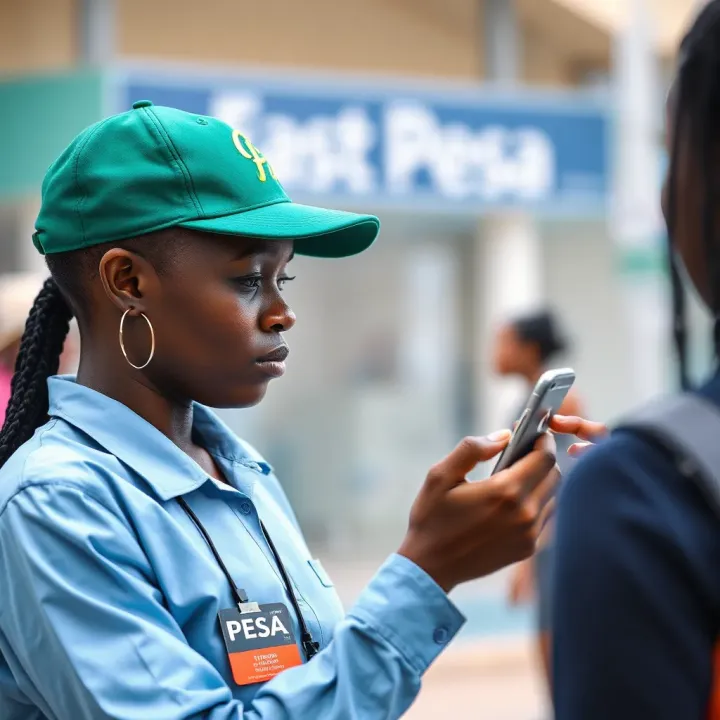
To become a Fast Pesa agent, you generally need to meet some basic requirements set by Fast Pesa and regulatory bodies governing mobile money services in Kenya. First, you'll need a fixed business location with access to reliable internet and power, since connectivity is fundamental to conducting electronic transactions. For example, a kiosk or small shop in a high-footfall area like a market or matatu stage is ideal.
Next, the applicant must be at least 18 years old and have a clean financial record — banks and regulatory authorities prefer to avoid onboarding agents with histories of fraud or financial mismanagement. Fast Pesa typically requires a minimum float (cash reserve) that agents use to perform withdrawal services; this helps ensure liquidity and customer satisfaction.
Registration involves submitting an application either online via the Fast Pesa portal or directly at their offices. The process includes training on Fast Pesa’s systems, transaction processes, and basic customer service protocols so agents understand their role fully. Successful completion of this training helps agents avoid common pitfalls and technical errors.
The documentation is straightforward but crucial. You will need to provide:
A valid National ID or passport for identity verification.
A business permit or licence issued by your county government to prove the legality of your trading premises.
Recent utility bills as proof of business location and address verification.
Bank account details where transaction commissions and earnings will be paid.
Besides documentation, compliance with Kenya’s anti-money laundering (AML) and know-your-customer (KYC) regulations is mandatory. Fast Pesa agents must verify customers’ identities during transactions to reduce fraud risk. Agents are also required to keep transaction records securely and report any suspicious activities to the relevant authorities.
Operating as a Fast Pesa agent is not just about completing the registration; staying compliant with regulatory requirements keeps your business legitimate and protects your customers.
In summary, becoming a Fast Pesa agent in Kenya demands a clear understanding of both operational needs and regulatory expectations. By coming prepared with the right documentation and committing to compliance, you build trust and tap into a growing market for mobile money services across urban and rural settings.
Fast Pesa agents play a vital role in extending financial services across Kenya, especially in places where banks are scarce. By offering a range of transactions, these agents help users manage money conveniently without visiting a bank branch. For traders, investors, and entrepreneurs, knowing what transactions you can do through Fast Pesa agents makes everyday business smoother and faster.
One of the main functions of Fast Pesa agents is handling cash deposits and withdrawals. If you run a small business in a town like Kisumu or Eldoret and need to deposit your daily takings into your Fast Pesa account, the agent facilitates this quickly. Similarly, if you want to withdraw money to pay wages or buy stock in cash, you don’t have to queue at a bank. Depositing and withdrawing cash through Fast Pesa agents is straightforward and usually available beyond normal banking hours.
This service is especially useful for informal traders and small-scale farmers who prefer to keep cash flow tight and need quick access to physical money. Agents recharge their cash float daily, ensuring they can meet withdrawal requests without delay.
Fast Pesa agents allow users to send and receive money efficiently across Kenya. Suppose you are an investor in Nairobi who needs to send funds to a supplier in Mombasa. Through Fast Pesa agents, you can transfer money instantly without relying on bank processes, which might take longer. This is crucial in the hustler economy where cash flow timing matters.
Additionally, these agents support payment of goods and services directly to other Fast Pesa users or merchants. Retail outlets use this to confirm payments in real-time. In many cases, escrow payments and business-to-business transfers happen through Fast Pesa agents, helping keep transactions secure, transparent, and fast.
On top of cash and transfers, Fast Pesa agents also let users buy prepaid airtime for their phones instantly. This feature is a lifesaver when you need to stay connected with suppliers and customers but have no airtime available.
Bill payments are another key service. From paying electricity (Kenya Power and Lighting Company) bills to water services or even school fees, Fast Pesa agents handle these payments near you. This saves time spent travelling to payment centres or standing in long queues. For businesses and consumers alike, this service enables smooth operations and timely payments, reducing the risk of service interruptions.
Using Fast Pesa agents keeps your money transactions quick, accessible, and close to home — a big advantage in Kenya's fast-moving and often cash-centric economy.
Knowing these transaction types helps you pick the right agent and understand the full value Fast Pesa offers beyond just sending or receiving funds. Always confirm the available services with your nearest Fast Pesa agent to avoid surprises and to plan your money movement effectively.
Fast Pesa agents have widened the reach of mobile money services across Kenya, especially in places where traditional banks barely exist. For example, in villages in Kisii or the outskirts of Kitui, people can deposit or withdraw cash through Fast Pesa agents without spending hours travelling to town banks or ATMs. The agents, often found in local shops or kiosks, operate at convenient hours and accept small transactions, making them ideal for daily needs. This accessibility is crucial for farmers, small-scale traders, and casual workers who depend on timely cash flows for running their businesses or meeting household expenses.
Using Fast Pesa agents reduces the risks clients face when carrying large amounts of cash, especially in busy market towns like Gikambura or Moi's Bridge. Transactions through Fast Pesa are secured with electronic records, minimising the chance of loss or theft compared to carrying physical money. Additionally, Fast Pesa systems use PINs and encrypted codes to protect user accounts. While no system is immune to fraud, agents are regulated and monitored, providing more reliability than informal cash transactions. For instance, many boda boda operators prefer using Fast Pesa withdrawing services rather than cash handling, as this improves their safety.
Fast Pesa agents often double as small shop owners or local businesspeople. By facilitating cash-in and cash-out services, they attract more customers to their premises, increasing foot traffic and boosting sales of other products. For example, a duka owner in Eldoret who is a Fast Pesa agent can see a rise in business as customers coming to transact also buy everyday items like toiletries or snacks. On a broader scale, Fast Pesa's presence encourages economic activity in less-served regions, enabling entrepreneurs to receive payments swiftly and invest in growth opportunities. This local circulation of money fuels community development and job creation beyond formal banking reach.
Fast Pesa agents bridge the gap between financial services and everyday Kenyans, making money matters simpler, safer, and more supportive of grassroots enterprises.
In summary, Fast Pesa agents serve both consumers and businesses by offering accessible, secure, and community-oriented services. Their role is especially vital where traditional banking remains limited, helping drive financial inclusion across diverse Kenyan contexts.
Fast Pesa agents provide vital services across Kenya, but they face some real hurdles that affect both their business and customers. Understanding these challenges helps you, whether an agent or user, approach transactions with care and preparedness.
Managing cash flow is a constant headache for Fast Pesa agents. Agents need to have enough money on hand to cover customer withdrawals throughout the day. For example, an agent in a busy Nairobi market might run out of cash by midday because many customers withdraw money simultaneously. Without proper liquidity, agents must either find ways to quickly restock their cash float or risk turning customers away.
To manage this, agents often work with suppliers or banks to maintain a steady float, but this isn’t always easy, especially in rural areas where cash transport and banking options are limited. Customers should be aware of this challenge and, when possible, plan their transactions to avoid peak hours or large withdrawal requests.
Fast Pesa relies heavily on mobile and internet networks. Poor connectivity can cause transactions to fail or delay, frustrating both agents and users. Imagine an agent located in a town with weak 3G signal struggling to process deposits or payments during a rainstorm. Network downtime also means agents lose business temporarily, and customers wait longer or seek other services.
Agents usually have backup plans like using different network providers or manual record-keeping to mitigate these disruptions. Customers can stay patient and confirm with agents about network status before transacting to avoid surprises.
Fraud is a worry in any mobile money service, and Fast Pesa is no different. Some scammers exploit unsuspecting customers or impersonate agents to steal money. For instance, a common trick is fake confirmation messages claiming a transaction went through when it hasn’t.
To stay safe, always verify the agent’s identity and double-check transaction receipts. Agents should insist on customers checking their balances immediately after transactions and educate them on recognising fake messages. Protecting PINs and using secure mobile devices are also critical. If you suspect fraud, report it promptly to Fast Pesa customer care or relevant authorities.
Both agents and customers must stay vigilant and proactive to keep transactions smooth and safe.
Addressing these challenges head-on strengthens Fast Pesa’s role in Kenya’s financial ecosystem. With proper cash management, reliable connectivity, and fraud prevention measures, agents and their customers can enjoy more efficient service.
Link your M-Pesa with PayPal 💳 for smooth international payments. Learn step-by-step how to transfer funds, handle fees, and stay secure when sending money abroad.
📱 Fast Pesa gives quick M-Pesa loans to Kenyans needing instant cash. Learn eligibility, terms, risks, benefits & smart tips for responsible borrowing in Kenya’s digital credit space.

🔍 Learn how Peer-to-Peer (P2P) trading lets Kenyans buy and sell direct, understand platforms, manage risks, and follow local rules for safer deals.

🔍 Understand the Fiveers: their origins, traits, and influence in Kenya. Learn how they operate and what to watch for when engaging with them practically.
Based on 14 reviews