
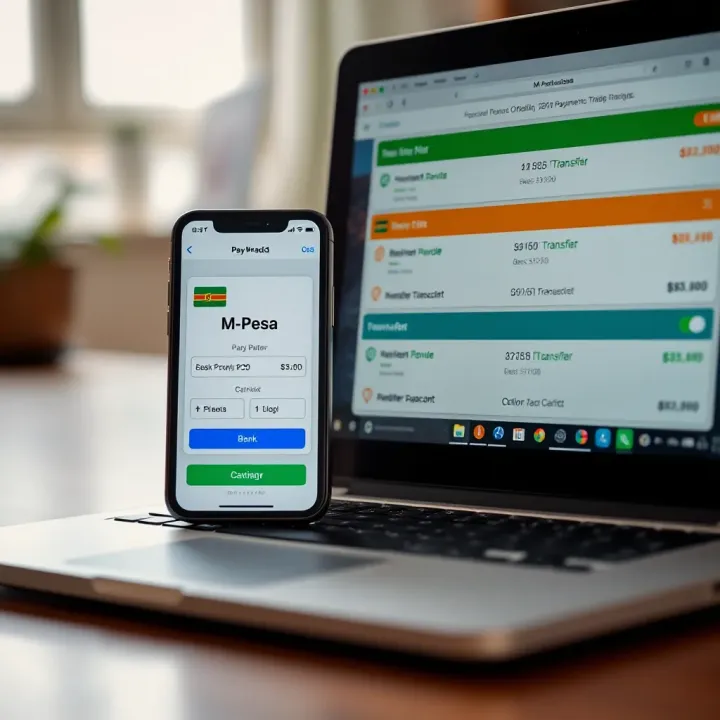
Guide to Trading Online in Kenya
📈 Learn practical steps to trade online in Kenya safely using M-Pesa, bank options, and trusted platforms. Understand risks, regulations, and tips for success. 💻🇰🇪
Edited By
Amelia Walker
Peer-to-peer (P2P) trading is changing how Kenyans buy and sell goods or services, especially online. Unlike traditional markets where intermediaries control transactions, P2P trading allows individuals to deal directly with each other. This removes middlemen such as dealers or brokers, often reducing costs and speeding up deals.
For example, consider someone in Nairobi wanting to sell second-hand smartphones. Instead of relying on a shop or online retailer, they use a P2P platform to connect directly with buyers anywhere in Kenya. Payments typically go through M-Pesa or bank transfers, making the process straightforward and transparent.

P2P trading isn't only for physical items; it also involves digital assets like cryptocurrencies. Many Kenyans engage in P2P crypto exchanges, buying and selling Bitcoin or Ether directly with other users without going through big global exchanges. This suits users looking to avoid hefty fees and restrictive regulations often tied to such platforms.
Here are key points about P2P trading in Kenya:
Direct interaction: Buyers and sellers negotiate terms without intermediaries.
Wide variety of goods: From electronics to agricultural produce and digital currencies.
Payment ease: Usually through local mobile money platforms like M-Pesa, ensuring convenient transactions.
Flexibility: Users can set their own prices and payment methods.
While P2P trading offers more freedom, it also carries risks like fraud or disputes due to lack of formal oversight. Users should verify counterparties and use trusted platforms to protect themselves.
Understanding these basics helps Kenyan traders and investors navigate the landscape confidently. Later sections will cover popular platforms, handling risks, and relevant regulations to better equip you for P2P trading today.
Peer-to-peer (P2P) trading refers to the direct exchange of goods, services, or digital assets between individuals without an intermediary like a broker, dealer, or platform owner controlling the transaction. In the Kenyan context, this type of trading is increasingly popular as it empowers users to negotiate and complete deals on their own terms. Understanding P2P trading is vital for anyone looking to engage in more flexible, cost-effective transactions beyond formal market setups.
Direct transactions between individuals happen when two parties agree to trade directly, without relying on a middleman. For example, a farmer in Kisumu might sell maize directly to a shop owner in Nairobi through a WhatsApp group or a mobile money platform like M-Pesa. This direct contact speeds up the process and fosters trust built through repeated dealings or community referrals.
No intermediaries involved means that the usual brokers, agents, or institutions who often add fees or delays are excluded. This absence cuts down costs both ways, making trades cheaper. For technology or digital goods, such as selling cellphone airtime or cryptocurrencies via local platforms, the lack of intermediaries also lowers the chance of delays caused by bureaucratic steps or rigid market hours.
Examples of commonly traded items on P2P platforms in Kenya include second-hand electronics, agricultural produce, vehicles, and digital assets like Bitcoin. Services such as freelance work, tutoring, or even boda boda rides can also be exchanged directly, often arranged through social media or dedicated trading apps, allowing individuals greater control over price and terms.
In traditional markets, intermediaries play a significant role. For instance, car dealers or auction houses facilitate vehicle sales by vetting buyers and handling paperwork. These middlemen usually add a commission, which increases the final cost for buyers. In Kenya’s jua kali sector, craftspeople often sell to middlemen who then retail goods, reducing direct earnings for the producers.
When comparing cost and speed, P2P trading usually offers lower fees and quicker transactions. Without intermediary commissions, sellers may offer better prices while buyers save money. Additionally, direct negotiations and instant mobile money payments speed up deal closure. Unlike formal businesses with fixed operating hours, P2P trades can happen any time, helping busy professionals or informal workers find buyers and sellers without delays.
The flexibility and decentralisation typical to P2P setups appeal to many Kenyans. Dealers aren’t bound by rigid rules or fixed places; they trade via mobile phones, social apps, or community networks. This decentralisation allows people in rural areas or smaller towns to participate directly in markets usually dominated by big centres like Nairobi or Mombasa, increasing economic inclusion.
P2P trading reshapes how ordinary Kenyans engage in commerce by trimming costs, speeding up trade, and broadening access beyond traditional market gatekeepers.
To get the most from P2P trading, Kenyans need to understand these fundamental shifts—doing so boosts confidence and helps spot genuine opportunities while avoiding common pitfalls.
Understanding how peer-to-peer (P2P) trading works in practice helps Kenyan users grasp the practical steps involved and the systems that support safe and efficient transactions. This section breaks down the actual moves a trader or buyer needs to take, showing the entire process from finding a partner to completing a deal.
Finding someone to trade with is the starting point in any P2P deal. In Kenya, this can happen through social media groups, online classifieds, or specialised P2P platforms. For example, a small business owner might join a Facebook group dedicated to buying and selling farm produce, or use an app designed specifically for peer trading. The main goal here is to find someone trustworthy and interested in the same goods or services. The better the platform or community, the easier it is to find partners; random searches on public platforms often come with more risks.
Once you spot a potential partner, you must agree on what you will exchange and under which conditions. This includes price, delivery location, payment timing, and any warranties or product specifications. Clear communication at this stage avoids misunderstandings later on. For instance, if you’re selling a second-hand laptop, make sure both parties agree on the condition and any accessories included. In Kenya, confirming such details via WhatsApp or phone calls is common, but it's always best to have written confirmation, especially for expensive items.
Safe and reliable payment is key in P2P trading. Most Kenyans prefer mobile money services like M-Pesa because they are fast and widely accessible. Verification might involve checking transaction confirmations or screenshots before moving forward. To reduce scams, some traders use escrow services that hold funds until the buyer confirms receipt of goods. These services are becoming more popular, particularly for higher-value trades, as they add a layer of security that mobile money alone can't offer.
The final step involves handing over the goods and confirming the transaction's completion. Delivery can be face-to-face, using local courier services, or relying on trusted third parties. For example, someone selling artisanal furniture in Nairobi might arrange for a boda boda delivery or use an express courier like Sendy. The buyer typically verifies the item before releasing final payment if an escrow service is used. If the trade is face-to-face, meeting in a public place during the day is best practice to ensure safety.
In Kenya, platforms like Jumia, OLX, and Facebook Marketplace provide spaces where individuals can list goods for sale directly to buyers. These platforms tend to have user ratings and feedback features, which help build trust. They also allow users to communicate instantly and negotiate deals. While not all P2P transactions happen through these platforms, they are popular because they connect large numbers of buyers and sellers in one place.

M-Pesa plays a critical role in P2P trading by simplifying payments. Buyers and sellers can transfer funds directly without needing bank accounts. Because M-Pesa is familiar and trusted across Kenya, it lowers barriers to entry for many users who might otherwise be excluded from formal financial services. Instant payments mean traders can finalise transactions quickly, improving turnover and cash flow.
Escrow services act as neutral third parties that safeguard payments during P2P transactions. Both the buyer and seller agree that the payment will be held by the escrow until the buyer confirms delivery of the agreed goods or services. This process reduces fraud and builds confidence, especially for high-value deals like real estate or vehicle sales. Kenya’s growing digital economy has seen the rise of escrow providers linked to mobile money and online platforms, making it easier and safer to trade directly.
P2P trading in Kenya thrives because it leverages accessible technology like M-Pesa, trusted community platforms, and emerging escrow services, enabling safe and flexible deals outside traditional channels.
Knowing these practical steps and support systems empowers Kenyan traders, entrepreneurs, and investors to participate confidently in peer-to-peer markets while managing risks effectively.
Peer-to-peer (P2P) trading opens up new possibilities for Kenyan traders and consumers, but it also brings some risks that you need to watch out for. Understanding both benefits and challenges helps you make better decisions and navigate this market safely.
One of the big draws of P2P trading is the significantly lower costs involved. Since you deal directly with the seller or buyer, there are no middlemen charging extra fees as is common in traditional retail or brokered sales. For example, someone selling their phone on a P2P app might only pay platform listing fees, which tend to be minimal or even free, unlike commissions charged in shops or by agents.
Lower fees make P2P trading especially attractive to small-scale traders and entrepreneurs in Kenya who need to keep costs down to stay competitive. It also means buyers can get better prices, as sellers don’t need to inflate costs to cover commissions.
With P2P, you have more say in how a transaction unfolds. You can negotiate directly on price, delivery terms, and payment methods. This flexibility is valuable for both buyers and sellers.
Take for example a farmer in Kisumu selling maize directly to a customer in Nairobi through a P2P platform. They might agree to stagger payments via M-Pesa as the maize is delivered, rather than a fixed upfront payment demanded by middlemen. This kind of customised arrangement helps build trust and suits both parties.
P2P trading breaks down barriers for those not fully integrated into formal markets. Many informal traders, such as jua kali craftsmen, small-scale farmers, or market vendors, don’t have access to traditional banking or formal retail chains. P2P platforms connected with mobile money services like M-Pesa give them a way to trade safely and conveniently without needing a business licence or complex paperwork.
This access supports livelihood opportunities in the hustler economy, making P2P a tool for economic inclusion.
Since P2P trading often lacks the safeguards of structured retail environments, there is a significant risk of fraud. Fake listings, non-delivery of goods, or counterfeit products appear frequently if users aren’t cautious.
An example is a buyer sending money via M-Pesa but never receiving the item. Or a seller getting paid but the buyer disputes the condition of goods later. Scams like these can cause financial loss and loss of trust in P2P markets.
Unlike shopping in a store or buying through regulated agents, Kenyan law currently offers limited protection for P2P transactions. The Consumer Protection Act helps in formal setups, but for direct trades online or offline, enforcement is trickier.
If a dispute arises over product condition or payment, consumers rarely have a clear legal path to resolution. This gap means users should be extra careful before committing funds, especially with unknown partners.
Disputes in P2P trading can be hard to resolve because there is no central authority overseeing the transaction. Platforms may offer some mediation or escrow services, but these aren’t universal or always foolproof.
For example, if two parties disagree on whether a delivered phone is as described, the lack of a formal mechanism can escalate tensions. Sometimes, people resort to informal community mediation or local authorities, but this can be slow and unreliable.
In P2P trading, vigilance is key. Balancing the cost benefits and autonomy against the risks of scams and weak consumer support will help you trade smarter in Kenya's growing P2P market.
By weighing these elements carefully, traders and consumers in Kenya can tap into the growing P2P network while minimising pitfalls. Using trusted platforms, verifying partners, and keeping transactions transparent are practical steps towards safer, successful trade.
Engaging in peer-to-peer (P2P) trading in Kenya offers great opportunities, but it's essential to approach these transactions carefully to avoid common pitfalls. By adopting safety measures and proven strategies, traders can protect their money, time, and reputation while making the most out of P2P platforms. Below are practical tips that focus on verifying partners and securing payment and delivery.
Before committing to a trade, look for ratings and reviews left by previous users on the platform. These give a snapshot of the trader's reliability and past conduct. For example, a seller with consistent positive feedback on an app like Jiji Kenya or Facebook Marketplace gives better assurance than someone with no feedback or mixed reviews. Pay attention to comments on delivery speed, product condition, and communication.
If you're dealing with high-value items, don’t hesitate to ask for identification or references. Requesting a copy of a national ID or a company registration number for business sellers can add a layer of trust. Additionally, seeking references from mutual contacts or verified customers can help confirm the trader’s legitimacy. This practice is crucial especially when trading outside regulated platforms.
Stick with well-known and established platforms whenever possible. Trusted sites usually have mechanisms like user verification, dispute resolution, and escrow services that protect both buyers and sellers. Safaricom’s M-Pesa integration in platforms, for instance, adds extra security when transferring funds. Avoid using unfamiliar or unregulated sites where support and accountability are scarce.
M-Pesa remains the preferred mobile money service in Kenya due to its wide reach and transaction security. Paying through M-Pesa allows instant fund transfer with a transaction record, which can be useful in case of disputes. Moreover, some P2P platforms integrate M-Pesa with escrow services, ensuring payment is only released once both parties confirm the trade.
Never pay the full amount upfront, especially if you haven’t seen the goods. Instead, negotiate partial payment or use platforms that offer escrow holding funds until delivery is confirmed. This approach minimises the risk of losing money to scams. For example, when buying electronics, pay a deposit first and the balance on receipt and inspection.
Always inspect the item thoroughly before finalising the deal. This applies to physical goods like phones, cars, or livestock. If meeting in person isn’t possible, request detailed photos, videos, or live calls to verify the condition. Confirming before payment reduces chances of receiving faulty or different items.
Following these practical steps helps build trust and ensures smoother P2P trades in Kenya’s growing digital marketplaces. By being cautious and using available tools, you can confidently participate in this direct exchange economy with less stress and more success.
Understanding the regulatory and legal landscape is key for anyone involved in peer-to-peer (P2P) trading in Kenya. This knowledge helps traders, investors, and entrepreneurs navigate risks and use the right channels to protect their interests. Kenya’s evolving digital economy relies on proper oversight to maintain trust and transparency, especially as many P2P transactions happen through mobile platforms and online marketplaces.
This act governs the use of electronic communications and transactions in Kenya. It provides a legal framework that supports digital trade, including P2P platforms by setting out rules on data protection, privacy, and cyber security. For example, when trading digital assets or sharing personal details on P2P apps, this law requires platforms to safeguard user information and prevent unlawful access.
In practice, if a P2P platform fails to secure user data properly, Kenyan users can seek legal recourse under this Act. It also clarifies liability for cybercrimes, which might affect scams or frauds related to P2P trades.
This law protects buyers and sellers by laying down standards for fair treatment and clear information. In P2P trade, consumers can rely on this Act if products are not delivered as promised or if they receive faulty goods. Even though P2P trade doesn’t have traditional shops, the Act still applies through the platform or parties involved.
For instance, if you bought an item through a P2P platform like Jumia Kenya’s marketplace and it turned out counterfeit, your rights are safeguarded by the Consumer Protection Act. It encourages traders to be transparent about the condition and origin of goods, reducing unethical practices in informal trading.
Kenya has guidelines requiring online marketplaces, including P2P trading apps, to register and abide by certain rules like proper verification and dispute resolution mechanisms. This encourages accountability and reduces chances of fraud. Platforms are also expected to provide clear terms of use and ensure compliance with tax laws, such as reporting income generated through P2P transactions.
A platform failing to operate under these regulations risks penalties or shutdown, making it safer for Kenyan users to stick to licensed and registered platforms.
CAK supervises telecommunication and electronic commerce activities. For P2P trading, CAK ensures digital platforms operate within legal boundaries, especially concerning user data and digital communication standards. It also monitors compliance with cyber security requirements to protect users from online threats common in P2P dealings.
If a P2P app is found to be misleading consumers or breaching privacy laws, CAK steps in to investigate and enforce corrective measures, helping maintain trust in digital markets.
This body promotes fair competition and prevents monopolistic behaviour. In P2P trading, which thrives on decentralisation, CAK watches out for unfair dominance by any single platform or entity that could stifle others.
For example, if a major P2P platform tried to fix prices or exclude smaller competitors unfairly, CAK would intervene to protect market fairness, preserving options for users and encouraging innovation.
Since most P2P trades in Kenya use mobile money services like M-Pesa, CBK’s role is crucial. It regulates mobile money providers to ensure secure, efficient payment systems and fights money laundering.
For users, this means transactions through approved mobile wallets have legal backing and safeguards. CBK also sets limits on transaction values and monitors suspicious activities to protect users from fraud and financial crimes, which are risks especially in digital P2P payments.
Knowing these laws and institutions helps you engage safely in P2P trading. Use licensed platforms, understand your consumer rights, and trust regulated payment providers to reduce risks significantly.
📈 Learn practical steps to trade online in Kenya safely using M-Pesa, bank options, and trusted platforms. Understand risks, regulations, and tips for success. 💻🇰🇪
📈 Discover how CFD trading works in Kenya with this practical guide. Learn strategies, risk tips, and legal essentials to trade confidently and safely.

Explore derivative trading basics, risks, and benefits tailored for Kenyan investors 🇰🇪. Learn key regulations and practical tips to trade confidently 📈.
Explore cryptocurrency trading in Kenya with clear tips, local insights, key tools, and risk management strategies. Start trading smart today! 💹🇰🇪
Based on 5 reviews