

Top Trading Platforms for Kenyan Investors
Discover top trading platforms in Kenya 🇰🇪 Compare fees, security, features, and user experience to choose the best fit for your investment goals 📈💼
Edited By
Charlotte Hughes
Fast Pesa is a mobile loan service integrated with M-Pesa, designed to provide quick cash advances to Kenyans who need funds fast. It targets entrepreneurs, traders, and daily wage earners who may face sudden expenses or business cash flow gaps. Unlike traditional bank loans, Fast Pesa offers ease and speed with funds disbursed instantly to the borrower’s M-Pesa account.
This service operates mostly through simple mobile applications or USSD codes, requiring minimal paperwork or credit checks. Eligibility usually hinges on the user's M-Pesa transaction history and mobile phone usage patterns, serving as a form of digital credit scoring. For example, a trader regularly receiving payments via M-Pesa might qualify for a higher loan amount than a casual user.
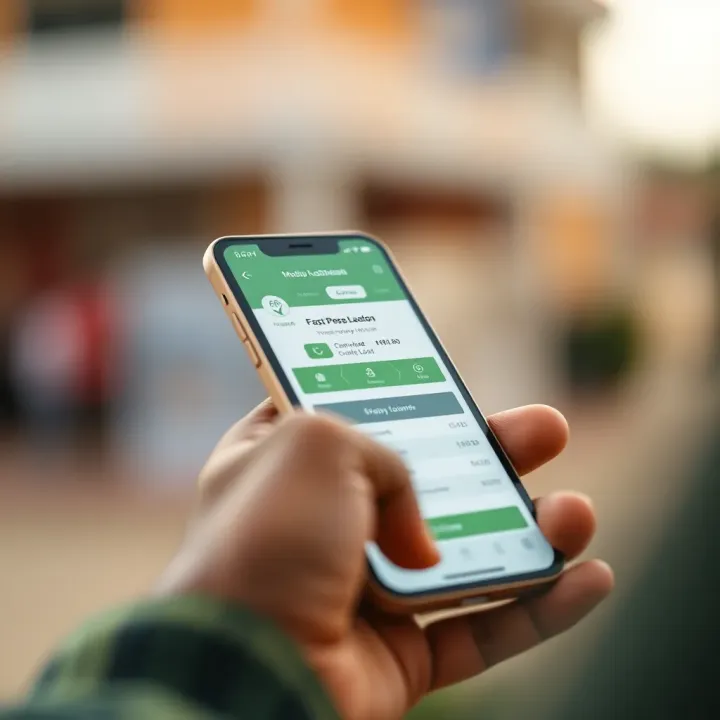
Key features of Fast Pesa include:
Instant loan disbursement: money reaches your M-Pesa within minutes
Flexible loan amounts: typically ranging from KSh 500 to KSh 50,000, depending on your profile
Short-term repayment periods: often between 7 to 30 days
Automated repayments: deducted directly from your M-Pesa balance on the due date
Many Kenyans rely on Fast Pesa as an emergency lifeline, bridging financial gaps between paydays or during urgent purchases.
However, users should understand the costs involved. Interest rates tend to be higher than traditional banks, reflecting the risk and convenience offered. Repayment delays can also affect one's credit score with mobile lenders and KRA’s iTax if linked.
In Kenya’s fast-growing digital credit space, Fast Pesa fills a vital niche by combining convenience with immediate liquidity, helping traders and small business owners keep their hustles moving. Still, responsible borrowing and timely repayment remain critical to avoid debt traps.
This article will unpack Fast Pesa’s workings, eligibility rules, advantages, risks, and repayment terms, equipping you with the knowledge to decide if it suits your financial needs.
Fast Pesa operates as a quick lending service integrated directly with M-Pesa, which is Kenya’s dominant mobile money platform. This link means users can borrow money instantly without visiting a bank or filling paper forms. The service is especially useful for traders, entrepreneurs, and investors who may need urgent cash flow to handle business expenses or seize sudden opportunities.
To use Fast Pesa, you first need a Safaricom SIM card registered with an active M-Pesa account. This is essential because Fast Pesa uses your M-Pesa profile to verify your identity and loan eligibility. For example, a jua kali artisan wishing to buy tools urgently would rely on their M-Pesa account linked to their Safaricom SIM to access funds seamlessly.
Applying for a Fast Pesa loan typically involves using a USSD code or a mobile app. Through the USSD interface, users dial a short code on their phone, which guides them through the loan application questions. Alternatively, some prefer the convenience of smartphone apps for a smoother process. This approach saves time and eliminates hassles, especially when you are in a hurry to get funds for daily stock purchases or emergency bills.
Loan amounts on Fast Pesa usually range from KSh 500 to about KSh 50,000, though this depends on user profile and credit history. Approval is almost instant, often within minutes of application. This efficiency is crucial for small-scale traders who need quick capital for restocking perishables before peak selling hours. The swift turnaround makes Fast Pesa competitive compared to traditional microfinance institutions.
Borrowers must be at least 18 years old with a valid national ID card or passport. This requirement complies with Kenyan lending regulations and helps prevent fake accounts. ID verification typically happens digitally using Safaricom’s existing registration data. This step gives lenders and borrowers confidence that the transaction is secure and legitimate.
An active M-Pesa account, demonstrated through regular transactions, is mandatory. Fast Pesa uses this activity to assess borrower reliability. For example, a small business owner who regularly deposits and withdraws money through M-Pesa shows steady financial behaviour, which increases their chance of getting a higher loan limit.
Fast Pesa considers both traditional credit scores and behavioural data such as repayment patterns and transaction history. If a user frequently repays loan promptly and maintains a good M-Pesa balance, their creditworthiness improves over time. This dynamic evaluation helps users build credit profiles even if they lack formal banking history.
Understanding these practical points on how Fast Pesa links with M-Pesa clarifies why it's a practical solution for instant credit needs in Kenya’s informal and formal sectors alike.
Fast Pesa has carved a niche in Kenya’s mobile lending market primarily by offering prompt credit solutions customised for everyday needs. For traders, investors, and entrepreneurs, quick access to funds can mean the difference between closing a deal or losing opportunity. The benefits are not just about speed but also about how flexible and accessible the service proves to be, especially in emergencies.

Fast Pesa enables users to borrow money instantly through their M-Pesa accounts. Imagine a boda boda operator who suddenly needs to repair a motorbike to keep running daily routes. With Fast Pesa, the operator can apply for a loan and receive cash within minutes without physically visiting a bank or waiting in long queues. This immediacy can be a lifesaver, especially in situations where urgent capital is required.
A big advantage of Fast Pesa is the elimination of cumbersome paperwork and in-person visits. The entire loan process is handled digitally via USSD codes or an app, reducing bureaucratic delays. This paperless approach is beneficial to users who may not have easy access to formal banking paperwork or live far from banking centres. It saves time and keeps the process straightforward, allowing borrowers to focus on their core activities.
Fast Pesa’s integration with M-Pesa means it is accessible anywhere M-Pesa is available. Whether in Nairobi’s busy Central Business District or a small trading centre in rural Kisumu, users can apply for loans as long as they have a Safaricom SIM and mobile network coverage. This broad reach supports Kenya’s diverse population, closing the financial inclusion gap by penetrating areas where traditional banking services are scarce.
Fast Pesa offers loan amounts that range from small to moderate sums, allowing borrowers to pick what matches their current needs. For instance, a kiosk owner may borrow a KSh 5,000 loan to replenish stock, whereas a farmer could request a higher amount for seasonal inputs. This flexibility helps users avoid borrowing more than necessary and manage their finances more responsibly.
Loans through Fast Pesa typically have short repayment terms, usually between 7 to 30 days. This suits individuals who need a quick cash injection without long-term debt. Such short cycles encourage discipline among borrowers and reduce the risk of accumulating burdensome interest over time, unlike traditional bank loans with longer terms.
Once a borrower repays their loan promptly, Fast Pesa often increases their borrowing limit for subsequent loans. This feature enables trusted users to access larger amounts more easily. For example, a shopkeeper who consistently meets repayment deadlines might qualify for quicker approvals and higher loan limits, facilitating business growth without the lengthy vetting processes common with banks.
Fast Pesa’s major selling point is its blend of speed, convenience, and adaptability, making it a practical tool for Kenyans seeking quick access to credit. For traders, investors, and entrepreneurs, this can be the financial boost needed to keep operations running smoothly.
By understanding these benefits, users can make well-informed decisions about when and how to use Fast Pesa smartly as part of their financial toolkit.
Knowing the terms and responsibilities when borrowing through Fast Pesa helps you avoid unexpected pitfalls. Loans might seem straightforward, but the small print—interest rates, fees, repayment timelines—can have a big impact on your finances if not properly understood. This clarity protects your credit reputation and helps plan your repayments realistically.
Fast Pesa typically charges interest rates that range around 10% to 20% per month, depending on the loan size and repayment period. For example, a KSh 5,000 loan repaid over 30 days could incur about KSh 500 to 1,000 in interest. While this might appear affordable on the surface, the effective annual interest rate can be very high compared to traditional bank loans. This makes Fast Pesa suitable mainly for short-term urgent needs rather than long-term financing.
When compared to other digital lenders like M-Shwari or Timiza, Fast Pesa's rates fall within a similar range but sometimes include slightly higher fees for immediate approval. M-Shwari, for instance, may offer slightly lower monthly interest but could require stricter repayment schedules. Meanwhile, Timiza often provides flexible loan terms but may verify borrower eligibility more rigorously, affecting approval speed.
Hidden charges are another concern. Some users report extra fees for late repayment or loan top-up requests. Always check if Fast Pesa applies service fees, processing fees, or penalties outside the stated interest. For example, a late fee could be anywhere from KSh 100 to KSh 500, which adds up if payments are delayed. Transparent checking of these charges upfront means you avoid surprises that could escalate your debt.
Repaying Fast Pesa loans is done directly through M-Pesa, using a paybill or Till number linked to the service. This seamless integration allows you to settle your loan without leaving your phone, making it convenient even if you are in remote areas. Mistakes during payment can delay credit clearance, so double-check the paybill details before submitting.
The repayment timeline is usually short, ranging from 7 to 30 days depending on the loan agreement. This tight window demands budgeting to avoid missing deadlines, which carry penalties. For instance, a 14-day loan requires you to plan your cash flow carefully, especially if your income is irregular, as is common among many traders and entrepreneurs.
Defaulting on your loan affects your M-Shwari or credit bureau score, lowering your creditworthiness for future borrowing. Regular defaults or late repayments can lead to blacklisting on credit reference bureaus like CRB Africa. This may restrict your access not only to Fast Pesa but also to banks and other microfinance lenders, making future financing a challenge.
Responsible borrowing calls for knowing these terms well. Fast Pesa loans serve urgent needs, but respecting the repayment rules will protect your credit health and financial future.
Understanding these elements ensures you use Fast Pesa wisely, avoiding common traps and making it a practical option in your financial toolbox.
Using Fast Pesa for quick loans comes with clear benefits, but it also carries risks that every user should understand. Borrowing through mobile money is convenient, yet it’s easy to fall into financial traps if precautions aren’t taken. Being aware of potential pitfalls helps users protect their financial health and make smarter borrowing decisions.
Borrowing only what you can repay is vital. Many Fast Pesa users get tempted to take loans beyond their repayment capacity, especially when faced with unexpected expenses. However, this often leads to a debt spiral where you end up paying back far more than you borrowed. For instance, borrowing KSh 10,000 without a clear plan to repay within the set period can cause undue strain on your budget.
Assessing your repayment capability means looking at your regular income and other expenses before requesting a loan. Say you run a small business and your daily sales average KSh 1,000; borrowing KSh 20,000 with a one-month repayment term might be unrealistic. Make a simple budget to see if you can meet repayments without compromising essential costs like food, rent, or school fees.
Failing to repay on time has consequences. Risks of default and financial strain include additional fees, a drop in your credit score, and difficulties accessing future loans. More seriously, this can affect your ability to qualify for other financial services, including bank loans or NHIF benefits. Some borrowers also face harassment from debt collectors, which exacerbates the stress.
Fast Pesa collects personal information—like your ID number, phone number, and transaction history—to evaluate loan eligibility and manage repayments. Understanding how your data is used by Fast Pesa helps you realise that this information supports credit decisions but must be handled carefully to avoid misuse.
The platform implements security measures to safeguard your information, including encryption and secure servers. It’s important to keep your M-Pesa PIN private and avoid sharing loan app passwords. Use official Fast Pesa channels only, as unofficial apps or USSD codes can expose your data to fraudsters.
Unfortunately, fraudsters often impersonate Fast Pesa agents or send phishing messages. Recognising fraud and scams is crucial; never share your PIN or personal information with anyone, and be wary of unsolicited calls promising easy loans with no checks. Genuine Fast Pesa communications come from official Safaricom or Fast Pesa numbers and won't ask for sensitive details via SMS or calls.
Stay cautious with mobile loans. Only borrow within your means, safeguard your data, and verify all communications to avoid financial harm.
By understanding these risks and taking proper precautions, users can make the most of Fast Pesa’s quick credit service without falling into common traps that affect many borrowers in Kenya’s fast-growing digital loan market.
Exploring alternatives to Fast Pesa is useful for anyone who needs quick credit but wants to compare options based on factors like interest rates, loan size, and repayment flexibility. Kenya's mobile money ecosystem is packed with different lenders, each serving unique needs. By knowing what else is out there, you can find a service that fits your financial situation better and avoid being trapped in unfavourable terms.
Mobile lending platforms like M-Shwari, KCB M-Pesa, and Timiza have grown popular as fast credit options integrated with users’ mobile money accounts. M-Shwari, offered through a partnership between Safaricom and NCBA Bank, targets low to medium loan amounts with competitive interest rates and convenient repayment via M-Pesa. KCB M-Pesa offers loans through the well-known KCB Bank and Safaricom tie-up, typically providing larger credit amounts with a slightly longer repayment period. Timiza by Co-op Bank uses Safaricom’s USSD platform, mainly focusing on quick loans with flexible repayment schedules.
These platforms share the convenience of accessing credit directly on your phone but differ in terms of loan size, eligibility criteria, and cost. M-Shwari usually offers loans from KSh 100 up to KSh 50,000, with a repayment period of 30 days. On the other hand, KCB M-Pesa can approve up to KSh 100,000 or more, suitable for entrepreneurs needing higher capital. Timiza loan limits vary but often include tailored repayment plans, which might suit those trying to manage monthly cash flows.
Interest rates and fees vary between these mobile lenders. M-Shwari charges interest rates around 7.5% per month and no loan application fees, which makes it suitable for small, short-term borrowing. KCB M-Pesa tends to have slightly higher interest but offers longer repayment terms, useful for bigger loans that need spreading out payments. Timiza might have promotional interest rates but includes service fees that can affect the total cost.
It pays to compare these costs carefully since they directly affect how much you repay. For example, a KSh 20,000 loan on M-Shwari due in 30 days will attract a straightforward interest, while on Timiza, extra fees could push the cost higher, especially if you repay late. Know the exact terms before borrowing.
Picking the best loan depends on your cash flow, repayment ability, and purpose of borrowing. If you want a quick top-up for emergency expenses or medical needs, M-Shwari's lower loan amount and speedy approval might work well. But if you’re investing in stock for your business and need a bigger loan with flexibility, KCB M-Pesa or Timiza could be better.
Also consider your relationship with the lender; customers with good repayment history on one platform may get higher limits or better terms. Always check if your usage pattern affects credit scoring and eligibility, so you borrow within your means.
For those wary of digital loans or lacking consistent mobile money activity, traditional loan options are still relevant. Banks now offer overdrafts and microfinance loans, which often require collateral or proof of steady income. Though the application process might take longer, these loans typically come with clearer terms and sometimes lower interest rates.
Microfinance institutions (MFIs) like Faulu Kenya and Kenya Women Microfinance Bank provide accessible credit targeting small businesses and informal sector workers. They often support borrowers with financial training, which can help manage loans better than many digital apps.
In Kenyan communities, group lending through chamas remains a trusted alternative. These informal saving groups pool members’ resources to provide small loans to each other. Since lending is based on trust and social ties, chamas usually have flexible repayment schedules and lower costs.
Joining a chama can offer more than loans—it creates a support network, a platform for saving, and sometimes links to investment opportunities. However, it requires steady contributions and participation.
When borrowing from banks, MFIs, or chamas, you should plan for the more formal process. Paperwork such as ID copies, bank statements, and collateral proof is common. The vetting period is longer than mobile loans, so plan ahead if you need funds for a specific purpose.
Moreover, traditional loans often have stricter penalty regimes for late payments. Borrowers must understand these terms upfront to avoid unexpected financial strain. While offline loans can be cheaper, they require stronger financial discipline.
Exploring alternatives beyond Fast Pesa helps you match credit options with your specific financial needs, ensuring you borrow responsibly and avoid unnecessary costs.
Choosing wisely between digital and non-digital lenders lets you access appropriate credit based on your profile, timing, and repayment capacity.
Discover top trading platforms in Kenya 🇰🇪 Compare fees, security, features, and user experience to choose the best fit for your investment goals 📈💼
Learn how to sign in to Deriv from Kenya with easy steps, troubleshooting tips, and security advice. Start trading smoothly today! 🔐📱🌍

📈 Discover how CFD trading works in Kenya with this practical guide. Learn strategies, risk tips, and legal essentials to trade confidently and safely.

Explore Deriv trading in Kenya 📈 - learn how to trade forex, commodities & indices safely, master strategies, manage risks, and make smart investment choices.
Based on 15 reviews