

Deriv TradingView Guide for Kenyan Traders
📈 Explore how Deriv TradingView gives Kenyan traders clear market analysis and trading tools. Learn to trade smartly, manage risks, and improve your results today!
Edited By
Amelia Foster
Trading platforms have grown immensely popular in Kenya, with many seeking ways to improve their trading strategies and outcomes. Combining TradingView with Deriv platforms offers a practical solution for Kenyan traders looking to sharpen their decisions. TradingView brings powerful charting tools and technical analysis, while Deriv provides a reliable trading environment that supports forex, options, and synthetic indices.
Using these two platforms together can boost your ability to spot trends, time entries and exits better, and manage risks efficiently. For instance, many traders in Nairobi and Mombasa rely on TradingView’s diverse chart types and community-driven ideas to keep ahead of the market shifts. Meanwhile, Deriv's flexible interface allows the execution of trades triggered by insights from TradingView without switching between devices repeatedly.

Kenyan traders benefit from syncing their TradingView insights directly with Deriv to simplify the trade execution process, reducing reaction time in fast-moving markets.
This guide will equip you with the know-how to integrate TradingView with Deriv smoothly, making the most of features such as:
Real-time price alerts from TradingView, setting automatic notifications to catch good trading moments on Deriv.
Employing custom indicators and trading signals configured on TradingView charts to inform your Deriv trades.
Understanding the difference between technical analysis approaches on TradingView and how these relate to Deriv’s offerings.
In addition to the technical side, this article also covers key considerations for managing your risk within Kenyan market regulations and using local payment options like M-Pesa for seamless transactions.
By the end, you will have practical strategies to enrich your trading experience and increase your chances of success while using platforms that adapt well to the Kenyan business and technical environment.
Understanding both TradingView and Deriv is key for Kenyan traders aiming to blend technical analysis with active trading. TradingView offers powerful charting and community tools to spot market patterns, while Deriv provides a practical platform to execute trades on those insights. This section covers the core features of each platform and what makes them stand out for Kenyan users.
TradingView is well-known for its advanced charting capabilities. Traders can access a wide variety of chart types—from candlesticks to Renko—and over 100 built-in technical indicators like moving averages and RSI (Relative Strength Index). For example, a Kenyan trader tracking forex pairs such as USD/KES can use these tools to identify trends or reversal points before making a trading decision on Deriv. The ability to overlay multiple indicators on one chart helps traders confirm signals and manage risk effectively.
One standout feature of TradingView is its active social network. Traders from all over the world—including Kenya—share ideas, analyses, and trade setups. This community feature allows users to get different perspectives and learn new strategies. For instance, a newbie trader could follow experienced Kenyan or global traders whose analyses match their trading style, gaining insights without spending hours alone on chart studies.
TradingView lets you create personalised watchlists to monitor specific assets like commodities, forex, or cryptocurrencies closely. Crucially, it supports alerts set on price levels or indicator conditions, sending notifications via email or mobile app. Such alerts help Kenyan traders stay on top of market moves without staring at the screen all day—a practical way to catch timely opportunities on Deriv.
Deriv offers a variety of tradeable instruments—from forex and commodities to synthetic indices designed to simulate real market conditions. This diversity suits Kenyan traders looking to explore different markets without opening multiple accounts. For example, a trader interested in both gold and the S&P 500 can access these markets under one platform easily.
Deriv scores well on usability, offering both browser-based and mobile app platforms. This flexibility matters in Kenya, where internet speed varies and mobile devices dominate. The platform is straightforward to navigate, so traders can place trades quickly without getting lost in complex menus, reducing mistakes caused by confusion or slow connections.
Deriv supports convenient deposit and withdrawal options popular in Kenya, including M-Pesa, local bank transfers, and cards. Fast, reliable payments are crucial, especially since Kenyan traders prefer methods that don’t require lengthy international transfers or high fees. With Deriv, users can fund accounts and withdraw profits smoothly, supporting a hassle-free trading experience.
Both TradingView and Deriv together build a workflow that not only supports solid technical analysis but also practical execution, matching Kenyan traders' needs for accessible, efficient trading tools and localised payment methods.
This overview lays the groundwork before we explore how to combine these platforms for better trading outcomes.
Combining TradingView's powerful charting tools with Deriv's trading platform gives Kenyan traders a practical edge. TradingView offers real-time market data, visual indicators, and alerts, while Deriv enables swift execution of trades on a wide range of assets. Using both platforms together means you can make more informed decisions and respond faster to market swings – something critical when trading on volatile instruments.
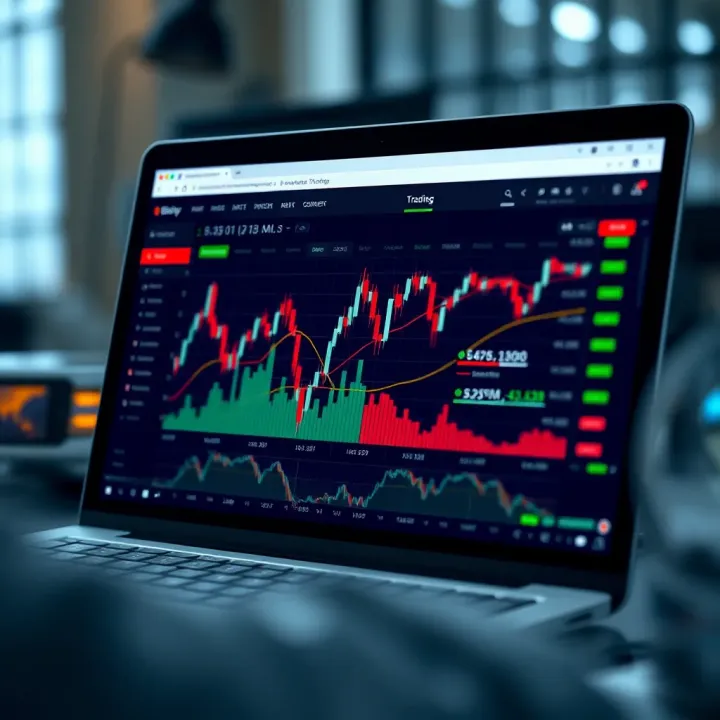
Creating a TradingView account is straightforward and free for basic use, which suits many Kenyan traders starting out. Having an account allows you to save chart settings, follow favourite assets, and access more advanced features like custom alerts. For example, if you regularly trade forex pairs available on Deriv, logging in keeps your charts updated and ready, helping you avoid last-minute scrambling.
Configuring charts to match Deriv instruments is essential for accurate analysis. Deriv offers options, forex, synthetic indices, and commodities, so you should set up charts reflecting these assets on TradingView. Adjust timeframes to fit your trading style—shorter timeframes like 5 or 15 minutes work well for quick binary options trades, while daily charts help with longer-term positions. This alignment saves time and ensures what you see on TradingView corresponds precisely to what you trade on Deriv.
Using alerts effectively can make all the difference in timing your trades. TradingView lets you set alerts based on price crossing certain levels, indicator signals, or custom criteria. For instance, you can get notified when the RSI dips below 30 signalling oversold conditions, which might prompt a call option on Deriv. Alerts help you avoid watching charts non-stop and enable prompt action during key moments.
Translating technical analysis into actual trades is where the rubber meets the road. Suppose your TradingView charts spot a strong support level holding and a bullish candlestick pattern forming. That may indicate a good entry point on Deriv for a buy position. It’s important to complement chart signals with market context to avoid overtrading impulsively.
Choosing the right expiry time and trade type on Deriv builds on your analysis. For example, if TradingView shows short-term momentum, a 5-minute binary option might be appropriate. But if you spot a longer trend on larger timeframes, consider longer expiry times or CFDs. Deriv offers diverse instruments, so match the trade type to the signal’s timeframe and strength.
Mobile and desktop platforms serve different needs but both can be used well with TradingView. While at home or office, desktop allows detailed chart study and multiple tabs open for trading. On the go, Deriv’s mobile app paired with TradingView's mobile alerts helps you stay updated and take quick actions even during a matatu commute. Efficient use of both platforms keeps you connected to markets wherever you are.
Combining TradingView’s insights with Deriv’s execution capability provides Kenyan traders with a practical pathway to sharpen trading decisions and manage risks better in fast markets.
Using practical trading strategies is vital for Kenyan traders who want to make wise, data-driven decisions on Deriv, using insights from TradingView. This section focuses on the specific tools and methods that can help you identify market chances, manage your trades more effectively, and avoid common pitfalls. For instance, knowing how to read moving averages or support and resistance levels can improve your trade timing directly.
Moving averages smooth out price data to show the general direction of the market. For Kenyan traders on Deriv, spotting trends early is a major advantage, especially in volatile markets. For example, a 50-day moving average crossing above a 200-day moving average often signals an upward trend, suggesting a good time to consider buying or going long on certain assets.
These averages also help confirm trend reversals and can reduce false signals from daily price swings. Using moving averages on TradingView gives you a clearer image of the instrument's path before placing trades on Deriv.
RSI measures how fast prices have been moving up or down and indicates whether an asset is overbought or oversold. When RSI crosses above 70, it may suggest the asset is overbought, likely to dip soon, while a reading below 30 suggests it might be oversold and ready to bounce back.
Kenyan traders can use RSI on TradingView to gauge momentum before entering trades on Deriv, especially for short-term expiry contracts. For example, if RSI climbs near 70, it might be smart to wait or consider short positions, while lower RSI values might signal buying opportunities.
Support and resistance indicate price levels where an asset tends to stop falling or rising. Recognising these on TradingView charts helps shape entry and exit points. For instance, if a currency pair struggles repeatedly to climb past a certain price, that’s a resistance zone—usually a good place to consider selling.
Similarly, support levels can act as a safety net for buy orders, signalling where price may bounce back. Kenyan traders on Deriv can combine these key levels with indicators like moving averages or RSI for more consistent trades.
TradingView’s Pine Script editor allows you to create customised trading rules. For example, you could write a script that alerts you when RSI crosses a specific threshold combined with a moving average crossover. This simple automation simplifies monitoring multiple assets at once.
For Kenyan traders, using Pine Script means you can efficiently test your ideas and set up alerts without constantly watching the charts, saving time and reducing stress.
Backtesting lets you apply your trading rules to past data on TradingView to see how they would have performed. This process helps refine what works and what doesn't before putting real money on Deriv.
By reviewing outcomes over various market conditions, such as during the Kenyan Shilling's volatility or global events, you can adjust your strategy for better results. For instance, backtesting can highlight if your approach performs poorly in trending versus ranging markets.
Different markets on Deriv may show distinct behaviours, meaning your strategy may need tuning per asset or expiry time. Using TradingView, you can adjust parameters like RSI period lengths or moving average types (simple vs exponential) to better fit Deriv instruments.
Optimising helps you improve trade accuracy and avoid common traps like overfitting to past data. For Kenyan traders, this is especially useful considering Deriv’s range of expiry times—from seconds to hours—where timing is everything.
Practical strategies combining TradingView’s analysis with Deriv’s trading options can significantly boost Kenyan traders’ success by making trades more informed and less guess-based.
Managing your money and risks carefully is essential for any trader using TradingView with Deriv. Without solid risk controls, even the best trading setups can lead to losses that hurt your account balance. Using TradingView’s charting tools alongside Deriv's trading platform helps you spot opportunities, but you must also protect your capital by applying practical risk management techniques.
Setting stop losses and take profits helps you control how much you risk on each trade and lock in gains when the market moves your way. For example, if you buy a currency pair on Deriv based on a TradingView signal, placing a stop loss just below a recent support level limits potential losses if the price drops unexpectedly. Similarly, setting take profit orders near resistance levels ensures you don’t miss booking your wins when the price reaches your target.
Position sizing based on account balance is another key to keeping your funds safe. It means adjusting how much you trade depending on your total capital. If your account has KSh 50,000, risking 2% per trade means you should not lose more than KSh 1,000 on a single position. This approach prevents big losses that could wipe out your balance quickly and gives room to recover after losses. TradingView’s tools can help you calculate the right position size by showing price ranges and volatility.
Recognising market volatility on charts is vital when deciding where to place orders and how much to risk. TradingView charts display price swings which indicate how volatile an asset is. Highly volatile markets, such as forex pairs during major news releases, can result in sharp price movements and wider spreads on Deriv. Knowing this helps you avoid placing tight stops that trigger easily or risking huge amounts during unpredictable sessions.
Avoiding emotional decision-making is important because impulsive trades often lead to losses. Many traders jump in or out of positions chasing losses or fearing missed opportunities. Using TradingView alerts helps keep your focus on planned trades rather than reacting to every price move. Sticking to your strategy, even when the market looks tempting, keeps your decisions calm and calculated.
Using demo accounts to build confidence is a practical way to learn without risking real money. Deriv offers demo accounts where Kenyans can practise trading with virtual funds while applying signals from TradingView. This helps you familiarise with how markets behave and test your strategies before committing actual capital. Practising builds skill and confidence, reducing costly mistakes.
Ensuring secure deposits and withdrawals involves picking safe payment methods supported by Deriv in Kenya, like M-Pesa or local bank transfers. Confirm that you use correct account details and adhere to verification steps to avoid delays or fund losses. Secure handling of your money also means setting strong passwords and using two-factor authentication on both TradingView and Deriv platforms to protect against hacking.
Smart risk management means trading with your head, not your heart. Combining TradingView’s insights with Deriv’s tools gives Kenyan traders a solid foundation, but protecting your capital needs just as much attention.
For Kenyan traders using platforms like TradingView and Deriv, understanding local regulatory and practical factors is essential. These elements influence how you manage your trading income, fund your accounts, and ensure compliance with Kenyan laws. Neglecting these considerations could lead to unnecessary costs or legal troubles, especially as trading grows more popular in Kenya.
KRA guidelines on trading income
The Kenya Revenue Authority (KRA) treats income from online trading—whether profits from forex, derivatives, or CFDs—as taxable. Kenyan traders must declare these earnings when submitting their annual tax returns. In practice, this means keeping track of your realized profits and losses throughout the year from platforms like Deriv to avoid complications during tax filing.
Understanding KRA’s stance helps you avoid surprises, such as penalties for undeclared income. KRA typically taxes trading profits under the Income Tax Act as either regular income or capital gains. It’s advisable to consult a tax expert or the KRA guide to know exactly how your trading should be reported.
Compliance with CBK and CMA regulations
The Central Bank of Kenya (CBK) regulates foreign exchange transactions and cross-border money flows, which affects how traders fund their accounts and withdraw funds. For example, large transactions might require adherence to specific reporting or approval processes under CBK rules.
Meanwhile, the Capital Markets Authority (CMA) oversees capital markets, including licensed brokers and trading platforms operating within Kenya. Though Deriv is a global platform, it’s wise to use brokers and intermediaries recognised by CMA to ensure protections like investor education and dispute resolution. Staying within these regulations shields you from fraudulent schemes and illegal trading operations.
Record-keeping for tax purposes
Maintaining clear records is key for Kenyan traders who want to comply with tax laws. This includes documenting deposits, withdrawals, trade confirmations, and account statements from both TradingView setups and Deriv transactions.
Good record-keeping not only simplifies tax reporting but also helps you analyse your trading performance over time. For practical purposes, you can use spreadsheet software or accounting apps tailored for traders to track monthly earnings and taxes due. Keeping digital backups of receipts and transaction histories also proves useful during any KRA audits.
Using M-Pesa and other mobile money methods
In Kenya, M-Pesa is the go-to method for funding online trading accounts like Deriv. It offers a fast, secure, and widely accepted way to transfer money both locally and internationally. Many platforms integrate directly with M-Pesa or allow withdrawals to Safaricom accounts, which reduces hassle.
Besides M-Pesa, other mobile money services such as Airtel Money or bank mobile apps provide alternative routes for deposits and withdrawals. Choosing a platform that supports these methods ensures smoother transactions without constantly relying on bank transfers.
Choosing reliable internet connections
A stable internet connection is non-negotiable for timely trading decisions. Kenyan traders often prefer fibre-optic connections in Nairobi or major towns, which provide faster speeds and lower latency than mobile data. However, in rural areas or during power outages, mobile broadband or 4G networks are important backups.
When day trading or scalping on Deriv, even a brief internet interruption can mean missed opportunities or losses. Using a power backup like a UPS and testing your internet speed regularly helps keep your trading uninterrupted.
Understanding currency conversion and fees
Since Deriv and TradingView operate in various international currencies, Kenyan traders often deal with currency conversion from Kenyan Shillings (KSh). Platforms typically convert deposits or withdrawals from KSh to USD or EUR.
Being mindful of conversion rates and associated fees charged by your bank or mobile money provider is important as these can eat into profits. For example, depositing KSh 50,000 might incur a 1-2% forex fee. To reduce costs, compare transfer methods and consider using dedicated forex services when moving larger sums.
Staying informed about Kenya’s legal framework and practical trading environment ensures you protect your earnings and trade smoothly. Properly managing funding, taxes, and connectivity puts you steps ahead in your trading journey.
📈 Explore how Deriv TradingView gives Kenyan traders clear market analysis and trading tools. Learn to trade smartly, manage risks, and improve your results today!
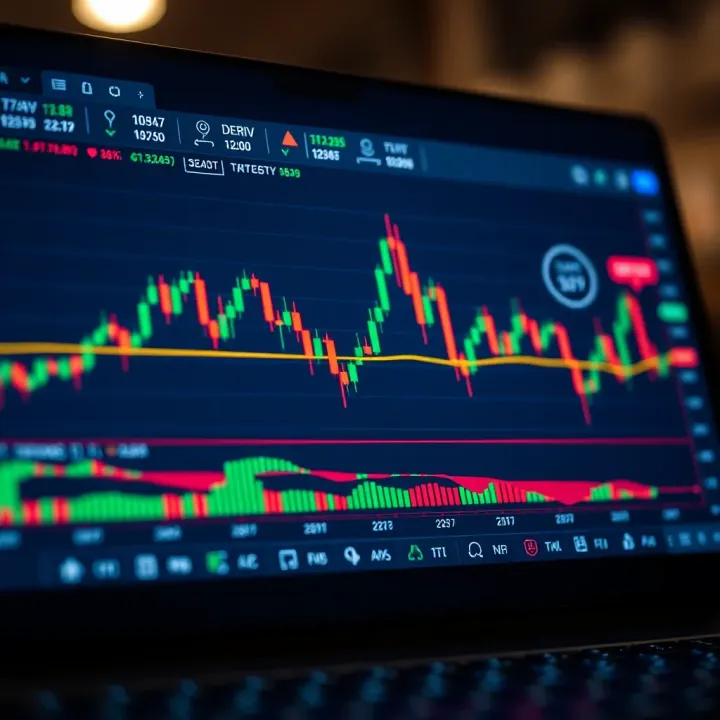
Integrate TradingView's advanced charts on Deriv easily 🖥️. Step-by-step setup, customisation tips, and solutions for a smoother trading experience on this popular Kenyan platform.

Explore Deriv.com for Kenyan traders 🇰🇪. Learn how to trade safely, open accounts, use M-Pesa for payments, and manage risks in online trading effectively.
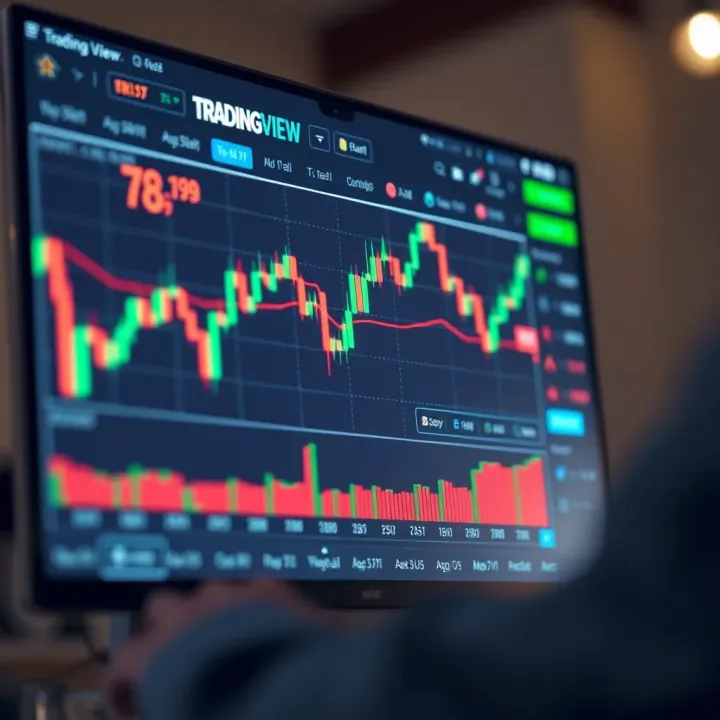
📈 Master TradingView with this clear guide for Kenyan traders! Learn to set up accounts, customise charts, set alerts, and connect with brokers for stocks, forex & crypto.
Based on 6 reviews