
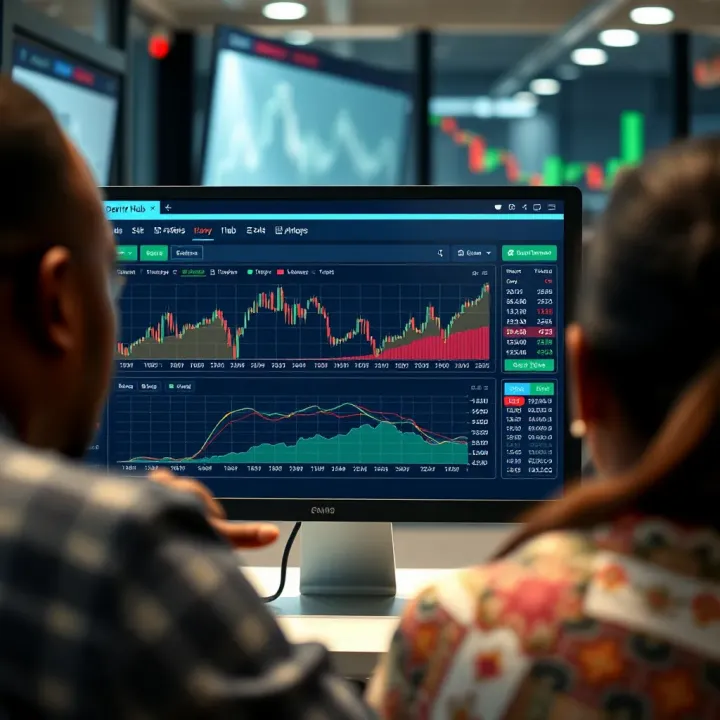
Understanding Deriv Hub for Kenyan Traders
Explore Deriv Hub's features, security, and trading options designed for Kenyan traders 🇰🇪. Learn account setup, tips, and customer support for smooth trading experience.
Edited By
Sophie Mitchell
TradingView has become a popular platform among Kenyan traders and investors looking to improve their market analysis. It offers advanced charting tools that help you track stocks, forex, and cryptocurrency movements in real time. Unlike traditional charting software, TradingView combines powerful technical features with a social side, allowing you to share ideas and learn from others.
For a Kenyan trader, this platform provides a neat way to access multiple markets without downloading separate applications. Whether you’re monitoring equities listed on the Nairobi Securities Exchange (NSE) or tracking currency pairs like USD/KES on the forex market, TradingView delivers depth and flexibility. You can even tailor charts to suit your strategy—adding customised indicators or drawing trendlines based on your trading style.
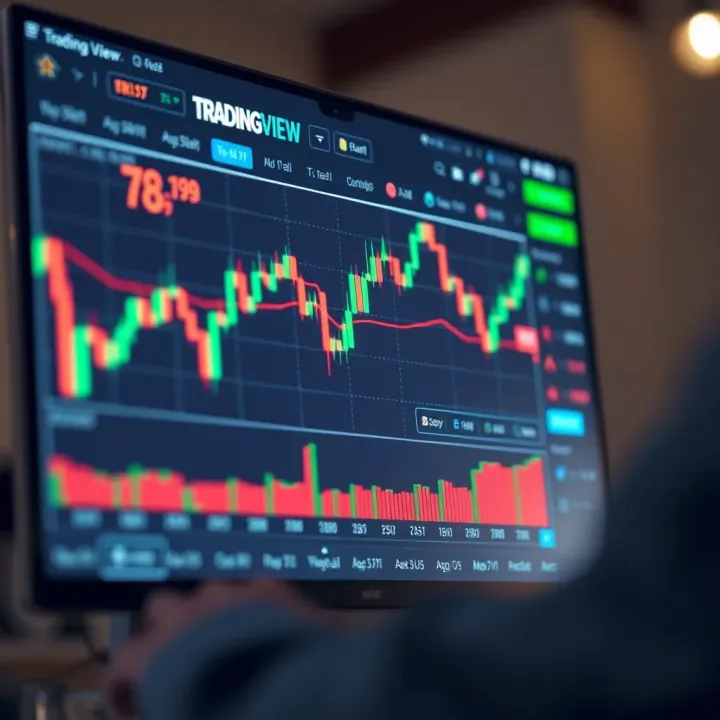
A key advantage of TradingView lies in its accessibility: works smoothly on mobiles and desktops, enabling you to stay connected on the go, especially during busy Nairobi commutes or when checking market updates from your shamba.
Creating an account is straightforward, and the free version already provides rich features enough for most casual and intermediate traders. Upgrading to paid plans unlocks further functions like multiple chart layouts and advanced alerts. Alerts can notify you via email or mobile notifications when specific price conditions are met—handy for busy investors juggling multiple investments.
On top of charting, TradingView integrates with a number of brokers, some available to Kenyan users, allowing you to execute trades directly from the platform. This cuts down the hassle of switching between apps during fast market moves.
Some practical tips:
Use TradingView to set alerts for NSE stocks of interest like Safaricom or KCB, so you never miss a key price movement.
Explore the community ideas to spot emerging trends or trading signals related to cryptocurrencies popular at home, such as Bitcoin or Ethereum.
Take advantage of the replay feature to review past market movements and refine your strategy.
In summary, TradingView provides a one-stop platform combining market data, analysis tools, and social trading features that fits the needs of Kenya’s diverse traders — from beginners learning the ropes to seasoned investors aiming to optimise their entries and exits.
TradingView plays a significant part in the daily activities of many Kenyan traders by providing essential tools for market analysis and decision-making. It acts as more than just a charting platform; it is a bridge that connects traders locally and internationally to dynamic financial markets. For Kenyan investors looking for reliable insights in stocks, forex, or cryptocurrencies, understanding TradingView's features can enhance trading strategies and improve timing in the markets.
TradingView's core strength lies in its advanced charting capabilities. It offers a variety of chart types such as candlestick, line, and bar charts, which are useful for visualising price movements. Kenyan traders particularly benefit from its wide selection of technical indicators like Moving Averages, Relative Strength Index (RSI), and Bollinger Bands. These tools enable traders to spot trends, identify support and resistance levels, and assess market momentum effectively.
TradingView gives users access to real-time and historical data across diverse markets. This includes major stock exchanges like the Nairobi Securities Exchange (NSE), as well as international platforms such as the New York Stock Exchange (NYSE) and forex pairs. For Kenyan traders, having both local and global market data in one place helps in monitoring opportunities whether trading Safaricom shares or forex pairs like USD/KES.
One standout feature is TradingView’s active social community. Traders can publish ideas, charts, and analysis, sparking discussions among peers. Kenyan traders can follow local experts discussing NSE trends or global analysts analysing bitcoin movements. This exchange of insights provides valuable perspectives, helping traders refine their strategies and stay updated on market sentiment.
For traders in Kenya, up-to-the-minute information is crucial. TradingView offers real-time price updates and news feeds, reducing reliance on delayed or second-hand data. This immediacy supports key decisions, especially for those doing day trading or swing trading within the bustling Nairobi market.
Whether you're a beginner exploring trading or an experienced analyst, TradingView’s intuitive design makes navigation simple. The platform organises tools logically, allowing novice traders to learn quickly and more advanced users to customise their workspace extensively. This lowers the barrier to entry and supports skill building across all levels.
Kenyan traders often need to stay connected on the move, using phones during downtimes or while commuting by matatu. TradingView’s mobile app offers virtually all desktop features, allowing charting, alerts, and social interactions without compromise. This flexibility means traders don’t miss crucial updates or trading chances, regardless of location.
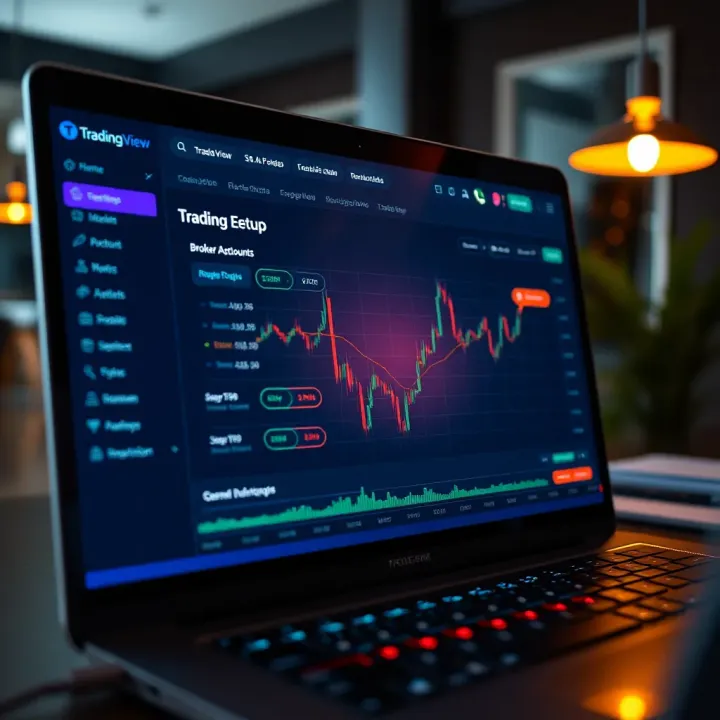
TradingView blends comprehensive tools with ease of use, making it a preferred platform for many Kenyan traders seeking to sharpen their edge and connect within a global market community.
Getting started with TradingView is the first step for any Kenyan trader who wants to make full use of this platform’s powerful features. Setting up your account correctly saves time and effort down the line. It also ensures your preferences and tools match your trading needs, whether you are focusing on forex, stocks, or cryptocurrencies.
Choosing the right subscription plan is essential because TradingView offers a variety of plans, from free to premium, each with different levels of access. For instance, the free plan offers basic charts and indicators which might work well for beginners or casual traders. However, for active traders looking to follow multiple markets like the NSE, US stocks, or crypto exchanges simultaneously, upgrading to the Pro or Pro+ plan gives access to more indicators, multiple charts on one screen, and faster data updates.
Kenyan traders should consider their trading frequency and budget before settling on a plan. If you’re just learning or trading part-time, the free or Pro plan may suffice. But if you need advanced tools or want to avoid delays in market data, investing in a premium plan could actually save you money by capturing profitable opportunities faster.
Verifying your profile and preferences helps tailor the experience to your needs. After registration, confirming your email and setting local preferences such as your time zone (East Africa Time, UTC+3) ensures charts and alerts correspond with your local market hours. You can also customise units—like showing prices in Kenyan shillings or US dollars—to make analysis more straightforward.
Apart from that, linking your social media or broker accounts adds convenience. Although optional, this step can simplify accessing shared ideas or executing trades directly from the platform once you establish trusted connections.
Understanding charts and time frames is fundamental for trading decisions. TradingView clearly displays multiple chart styles (candlestick, line, bar) that let you track price movements over different periods. For a Kenyan day trader, switching between 5-minute, 30-minute, and daily charts helps spot both short-term trends and broader market shifts.
The platform also supports adjusting time frames easily, so you can follow events like the NSE opening bell at 9:30 am or the New York Stock Exchange’s closing price without hassle. Getting familiar with this flexibility allows you to react swiftly to market movements.
Using watchlists and search functions keeps your interests organised. For example, creating watchlists with NSE top stocks like Safaricom, Equity Bank, and KCB alongside forex pairs such as USD/KES or cryptocurrencies makes monitoring straightforward. The search feature allows quick access to instruments by name or ticker, saving time when scanning several markets.
Watchlists can also be personalised to alert you about price changes or volume spikes in your chosen assets. This proactive monitoring is crucial for Kenyan traders who juggle market analysis alongside daily commitments. It’s like having a personal trading assistant reminding you what matters most.
Setting up the right account and mastering the interface early gives Kenyan traders an upper hand in staying updated and making smarter trades. It’s about working smarter, not harder, with the tools TradingView offers.
TradingView offers essential tools that help traders analyse markets effectively. For Kenyan traders, utilising these tools is key to making informed decisions in stocks, forex, and cryptocurrencies. By customising charts and applying indicators, traders can spot trends and price patterns, which improves timing for buying or selling.
Adding trend lines, support and resistance levels plays a direct role in understanding price movements. For example, when trading Safaricom shares on the NSE, drawing trend lines helps identify the general direction—whether prices are moving up or down. Support levels show where the price tends to stop falling, while resistance levels indicate where it faces selling pressure. These lines allow traders to plan entries and exits, reducing guesswork.
Popular technical indicators relevant to Kenyan markets include the Moving Average (MA), Relative Strength Index (RSI), and Bollinger Bands. Moving averages smooth out price data to show trend direction and are useful during volatile periods on the NSE or forex pairs like USD/KES. RSI measures overbought or oversold conditions, signalling when a reversal might occur. Bollinger Bands help gauge volatility, which is handy when analysing cryptocurrencies such as Bitcoin.
How to create price and indicator alerts is straightforward on TradingView. You can set alerts for when a share price crosses a trend line or when RSI moves above 70, signalling overbought conditions. This feature saves time by notifying you about potential trades without constant chart-watching. For instance, alerting when KCB’s price breaks a resistance level helps catch breakouts early.
Managing and receiving alerts on mobile devices is equally important for active traders on the move. TradingView sends notifications via its mobile app, so you stay updated whether travelling or during matatu commutes. You can also customise alert sounds and delivery methods, ensuring you never miss critical market moves. This accessibility empowers Kenyan traders to react quickly to opportunities or risks.
Customising your charts and setting smart alerts on TradingView can sharpen your trading strategy, let you monitor markets without being glued to the screen, and ultimately improve your chances of success in Kenya's bustling markets.
Using these tools well means you stay ahead of market twists and turns, saving both time and shillings.
Integrating TradingView with brokers and trading platforms is a significant step for traders seeking a streamlined experience where they can analyse markets and execute trades in one place. For Kenyan traders, this integration reduces the back-and-forth between separate apps, allowing quicker responses to market changes and better control over trading decisions.
TradingView supports direct connections to several brokers that serve Kenyan and international markets. Some popular brokers compatible with TradingView include Interactive Brokers and OANDA, which offer access to forex, stocks, and commodities across global exchanges. For Kenyan traders focused on local assets, integrating with brokers supporting the Nairobi Securities Exchange (NSE) is less common on TradingView but gaining traction through international brokers providing indirect access.
Using a supported broker means you can link your brokerage account to TradingView, bringing real-time data and enabling trade execution without leaving the platform. This setup is especially handy for active traders who rely on charting tools and alerts for timely decisions.
Linking your broker account starts with logging into your TradingView profile and navigating to the 'Trading Panel' tab. Here, you'll find a list of supported brokers; choose your provider and click 'Connect'. The system will prompt you to log into your brokerage account through a secure interface, typically involving two-factor authentication for security.
Once connected, TradingView synchronizes your portfolio for real-time tracking and enables placing orders directly from its interface. It is crucial to ensure your broker supports this feature and to understand any fees or limits involved. For example, some brokers require active margin accounts or specific subscription plans to enable full TradingView integration.
With your broker linked, TradingView allows you to place market, limit, stop-loss, and take-profit orders directly on your charts or trading panel. This capability eliminates the need to switch between multiple platforms, helping you capture opportunities fast. For example, if your analysis using the RSI indicator signals an oversold asset, you can immediately place a buy order without logging in to the broker's website or app.
The interface also shows order book levels and trade history when available, giving you more insights before placing trades. Kenyan traders benefit particularly from this convenience, as network or power interruptions sometimes complicate quick order placements on separate apps.
A key benefit of trading through TradingView is the integration of advanced charting and social signals with trade execution, making it easier for traders in Kenya to act decisively. It supports multi-asset trading—stocks, forex, cryptocurrencies—under a single roof, simplifying portfolio management.
However, Kenyan users should be aware of some limitations. Not all local brokers are integrated with TradingView yet, so depending on your broker, you might need to continue trading on separate platforms. Also, TradingView’s direct trading functionalities depend heavily on the broker’s supported markets and order types. For instance, certain complex derivatives or NSE-specific products might not be fully supported for direct trade execution through TradingView.
Integrating TradingView with your broker can save you time and improve trade execution speed, but always check the compatibility and terms with your broker to avoid surprises.
Overall, linking your TradingView account to a broker is worth considering once you're comfortable with the platform’s analysis tools and ready to trade actively. This integration boosts efficiency and can give you an edge, especially in fast-moving markets like forex or volatile cryptocurrencies.
Traders in Kenya can get the most out of TradingView by understanding how to use its community features and optimising their subscription to fit their trading style. These tips not only save time but also enhance decision-making, especially when navigating volatile markets such as forex and cryptocurrencies popular among Kenyan traders.
Following experienced traders and analysts gives you a front-row seat to insights that are hard to get from just charts. On TradingView, community members share ideas and analysis openly. By following seasoned Kenyan traders or international experts, you can learn different approaches to reading market signals and spotting trends. For instance, a forex trader in Nairobi might follow an analyst specialising in currency pairs involving the Kenyan Shilling (KES) to stay updated on news and technical calls relevant locally.
Participating in idea discussions helps build a network and clarify doubts in real time. Unlike isolated trading, the discussion threads on TradingView enable traders to question assumptions, propose alternatives, and even highlight potential risks others might overlook. For example, if a member posts about a possible breakout in NSE-listed stocks, discussions can reveal nuanced factors like corporate earnings or county economic conditions. This interactive element supports more informed trading decisions.
Choosing the right plan for your trading style is key to getting value from TradingView. The platform offers free and paid tiers with varying features such as the number of alerts, chart layouts, and access to premium indicators. A part-time trader focusing on Kenyan blue-chip stocks might find the free plan sufficient, while an active forex trader using multiple indicators and alerts daily would benefit from a Pro or Pro+ subscription. This avoids overspending on unnecessary tools.
Avoiding common mistakes to save time and money means not overloading your charts with too many indicators or alerts that clutter your workspace and lead to analysis paralysis. Kenyans familiar with bustling trading floors know that too much noise can obscure important signals. Additionally, regularly reviewing your usage helps you downgrade or upgrade your plan appropriately, preventing wasted subscription fees.
Remember, TradingView is a tool to complement your trading knowledge, not replace it. Balanced use of its features, combined with local market understanding, can improve your trading outcomes significantly.
Explore Deriv Hub's features, security, and trading options designed for Kenyan traders 🇰🇪. Learn account setup, tips, and customer support for smooth trading experience.
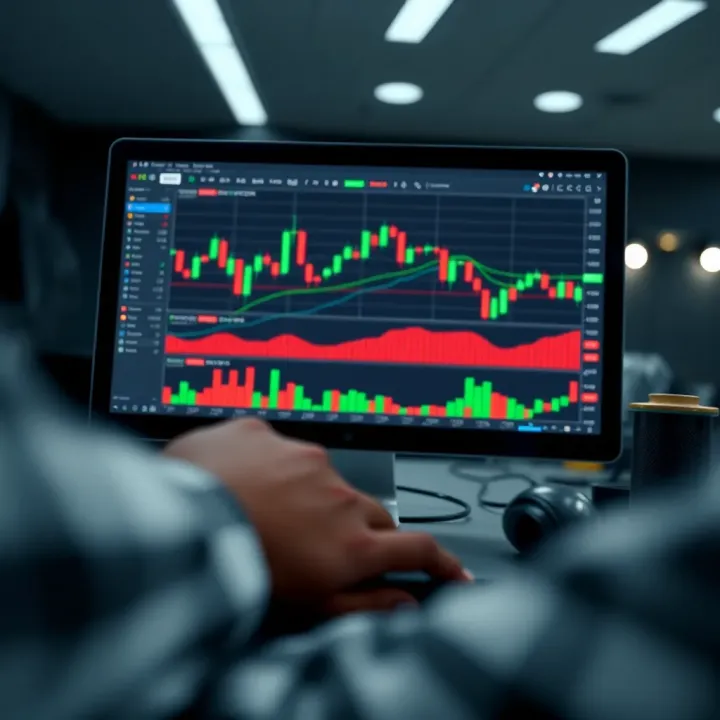
📊 Learn how Kenyan traders can use demo accounts to build skills risk-free. Discover differences from live accounts and avoid common mistakes! 🚀
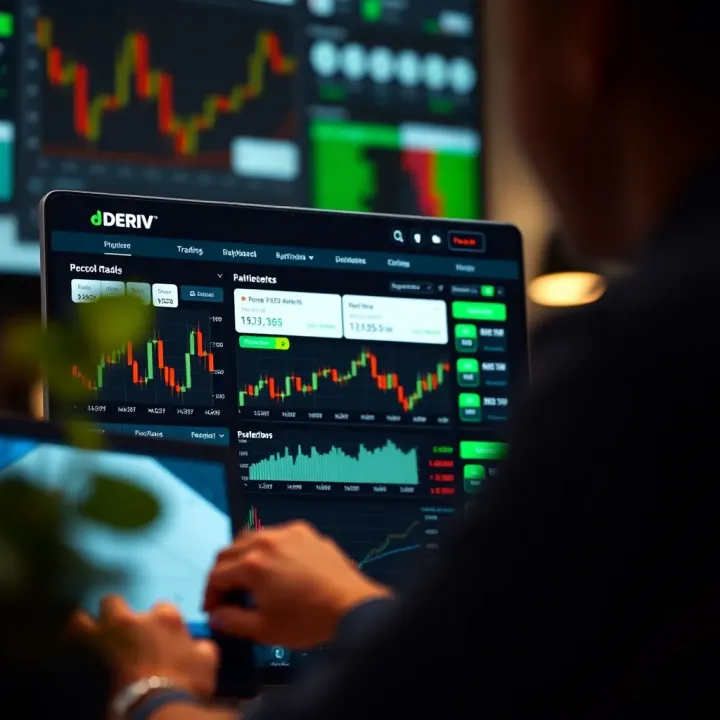
Discover how Kenyan traders can use Deriv demo accounts 📊 to practice trading safely, learn key features, and prepare confidently for real markets.
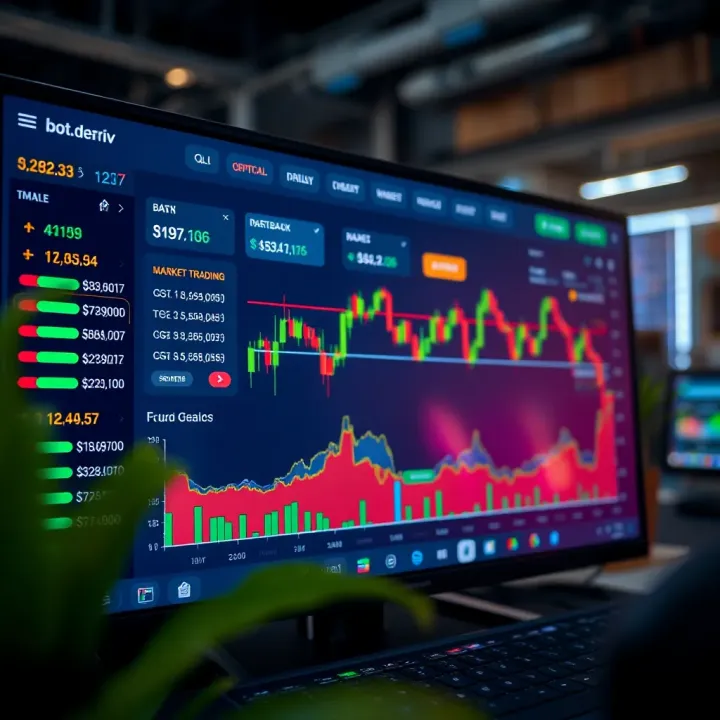
Explore how bot.deriv.com works 🖥️ and its features to help traders in Kenya 📈 set up smart automated trading, manage risks, and boost success 🚀.
Based on 12 reviews