

AUD to USD Exchange Rate Forecast and Analysis
📉 Explore detailed AUD to USD exchange rate forecasts and analysis with insights on historical trends, economic impacts, and key market drivers for smart trading decisions.
Edited By
Sophie Marshall
Understanding the forecast for the United States Dollar (USD) to Kenyan Shilling (KES) exchange rate is vital for anyone involved in Kenya's economy, from traders and investors to entrepreneurs and financial analysts. The exchange rate affects everything: import costs, export competitiveness, inflation, and even the average consumer’s purchasing power.
In recent years, the USD to KES rate has been shaped by a mix of global pressures and domestic factors. Globally, shifts in US monetary policy, dollar demand, and geopolitical events play a big role. Locally, Kenya's economic growth, inflation trends, the Central Bank of Kenya's (CBK) policies, and foreign exchange reserves influence the shilling’s strength.

The dollar-shilling exchange rate is not just a number; it impacts daily business decisions and overall economic health.
For example, Kenyan importers pay more when the dollar strengthens, affecting prices of goods like fuel, electronics, and machinery. On the flip side, exporters benefit when the shilling weakens, as their products become cheaper abroad, potentially boosting sales.
US interest rates: Higher rates in the US attract capital flows that strengthen the dollar.
Kenyan inflation: Persistent inflation tends to weaken the shilling against the dollar.
Trade balance: Kenya’s import-heavy trade deficits place pressure on the shilling.
Foreign direct investment (FDI): Inflows can bolster the shilling by increasing demand for the local currency.
Political stability: Confidence in governance affects investor sentiment and currency stability.
These factors interact constantly, which leads to daily fluctuations in the USDKES rate. Traders and financial analysts use economic indicators, CBK announcements, and even global market trends to estimate where the rate is headed.
For businesses and entrepreneurs, knowing the potential direction of the exchange rate helps in budgeting, pricing strategies, and risk management—especially when dealing with foreign suppliers or customers. Investors also use the forecast to hedge against currency risk or explore opportunities in the forex market.
In the sections ahead, we will break down the recent trends, key economic indicators, and expert forecasts to give you a clear, practical view of the USD to KES exchange rate going forward. This insight is crucial for making informed decisions in Kenya’s dynamic financial environment.
Understanding the factors influencing the USD to KES exchange rate helps traders, investors, and businesses anticipate market movements and plan accordingly. These factors range from global economic shifts to local policies and political events. Keeping a close eye on these elements allows you to manage risk and capitalise on opportunities.
The Federal Reserve's decisions on interest rates directly affect the strength of the US dollar. When the Fed raises rates, it often attracts foreign investors seeking better returns, pushing the dollar higher. For example, in 2023, several US rate hikes strengthened the dollar, putting pressure on the shilling. This means Kenyan importers faced higher costs, while exporters found their goods less competitive abroad.
Trade relations, especially between the US and major partners like China, influence global markets. Heightened trade tensions can lead to uncertainty, driving investors towards the dollar as a safe haven. Commodity prices, such as oil and coffee, affect Kenya’s trade balance since fluctuations change import bills and export revenues. A drop in coffee prices, for instance, can weaken Kenya’s foreign exchange reserves, putting downward pressure on the shilling.
The US dollar's role as the world’s primary reserve currency means its strength ripples globally. When the dollar is strong worldwide, it tends to tighten liquidity in emerging markets like Kenya. This makes it harder to repay dollar-denominated debt or attract foreign investment. Businesses with overseas loans may struggle more when the dollar surges, affecting their operational costs and profitability.
Kenya’s inflation rate impacts the purchasing power of the shilling. When inflation runs high, the Central Bank of Kenya (CBK) may raise interest rates to stabilise prices. Such hikes can support the shilling by attracting capital inflows but may also slow economic growth. For instance, inflation spikes after the 2020 floods led to CBK tightening monetary policy, which helped stabilize the exchange rate.
Government spending and borrowing influence investor confidence. High fiscal deficits or rising public debt may scare investors away, weakening the shilling. Kenya’s debt servicing costs in dollars have grown, especially after infrastructure loans from overseas; this pressure may lead to shilling depreciation if not balanced by higher revenue collection.
Kenya’s trade balance—the difference between exports and imports—is a key factor. A persistent trade deficit means more dollars leaving the country than coming in, putting pressure on the shilling. Export sectors like tea, horticulture, and manufacturing need to be competitive internationally. A boost in exports improves forex reserves, helping to stabilise the exchange rate.

Political events significantly impact currency confidence. During election periods, uncertainty may lead to capital flight and shilling weakening. For example, the 2017 general election saw heightened volatility due to tensions, affecting the shilling. Stable governments inspire investor confidence and tend to support currency strength.
Kenya’s exchange rate also reacts to regional economics and politics. Developments in East African Community (EAC) countries like Tanzania or Uganda—such as trade agreements or unrest—can affect cross-border trade and investment flows, indirectly influencing the shilling. Integrated regional markets might stabilise the currency by broadening economic ties and foreign investment.
Tracking these factors helps you read the USDKES market more accurately and make informed decisions amid the complex interplay of global and Kenyan influences.
Monitor US Federal Reserve announcements for rate changes.
Keep tabs on commodity prices impacting Kenyan exports.
Watch local inflation trends and CBK's monetary policy updates.
Follow political developments and regional agreements.
Being aware of these forces prepares businesses, investors, and traders to adjust strategies effectively as the dollar-shilling exchange rate evolves.
Understanding recent trends in the USD to Kenyan Shilling (KES) exchange rate provides vital context for businesses, investors, and financial analysts who need to make informed decisions. Observing how the rate has moved in recent years offers clues about the market's sensitivity to global shocks and local economic shifts. These patterns also guide forecasts and help assess currency risk in trade, investment, and everyday transactions.
Over the past five years, the USD to KES exchange rate has generally trended towards depreciation of the shilling against the dollar. For example, in early 2019, the rate was around KSh 100 per USD, but by late 2023 it had crossed KSh 130. This steady depreciation impacts importers' costs, making foreign goods more expensive for Kenyan consumers. On the flip side, exporters might benefit from a weaker shilling since their products become cheaper for foreign buyers.
Major fluctuations during this period often linked to external shocks and local policy changes. In 2020, the shilling sharply weakened following the onset of the COVID-19 pandemic as global uncertainty pushed investors towards the dollar for safety. Simultaneously, Kenya faced dwindling foreign exchange reserves, complicating efforts to stabilise the shilling. In contrast, periods of stable governance and improved foreign investment inflows have provided some relief to the currency.
The initial shock from the pandemic saw the shilling fall rapidly, reaching new lows in mid-2020. Travel restrictions and lockdowns curtailed economic activity, reducing demand for the shilling in trade and investment. However, recovery patterns started to emerge late 2020 and into 2021, buoyed by reopening of sectors like tourism and agriculture. Market confidence slowly improved as vaccines were rolled out and global trade resumed.
Remittances from the Kenyan diaspora, largely sent through M-Pesa and banking channels, showed resilience during this period, cushioning the impact on the current account. Foreign direct investment (FDI), however, faced setbacks as many investors postponed projects amid uncertainty, especially in sectors like real estate and manufacturing. The shifting landscape of remittances and FDI continues to influence the strength of the shilling and remains a critical factor for forecasting future exchange rates.
Tracking recent exchange rate trends is essential for anticipating currency risks. Businesses can adjust pricing strategies accordingly while investors may decide on hedging or reallocating assets based on currency outlook.
Understanding these recent developments equips all stakeholders with clearer expectations for the USDKES exchange rate going forward.
Economic indicators shape how the USD to KES exchange rate moves by signalling the health of both the US and Kenyan economies. Traders, investors, and businesses keen on understanding possible shifts rely on these figures to plan ahead. Economic data such as inflation rates, interest rates, trade balances, foreign investments, and remittances provide concrete evidence of pressures or strengths in each economy, which in turn affect the demand and supply for dollars and shillings.
Kenya’s inflation trends compared to those in the US directly influence exchange rate movements. For instance, when Kenya faces higher inflation relative to the US, the purchasing power of the shilling falls more quickly, usually leading to shilling depreciation against the dollar. Recently, Kenyan inflation has hovered around 6-7%, often higher than the US rate which has ranged near 3-4%. This inflation gap can pressure the KES lower especially when food and fuel prices surge locally.
The Central Bank of Kenya (CBK) plays a vital role through its monetary policies aimed at controlling inflation and stabilising the shilling. CBK’s use of interest rate adjustments, such as changes to the Central Bank Rate (CBR), influences capital flows affecting demand for KES. For example, raising the CBR can attract foreign investors seeking better returns, supporting the shilling. Conversely, keeping rates low might spur economic activity but risk inflation and shilling weakness. Traders watch CBK announcements closely as signals of possible exchange rate shifts.
Kenya’s export performance significantly impacts exchange rate forecasts. Strong export earnings from tea, coffee, horticulture, and increasingly, manufactured goods, bring in foreign currency and support the shilling. If exports grow steadily, this improves Kenya’s current account balance and cushions the shilling from weakening. However, challenges such as fluctuating global commodity prices or supply disruptions can curb export revenues, pushing the shilling down.
On the other hand, Kenya’s high import demand, especially for fuel, machinery, and consumer goods, creates a steady outflow of dollars. When import payments exceed exports by a wide margin, foreign currency reserves may dwindle, forcing the shilling to weaken to clear trade imbalances. Kenya’s forex reserves usually cover about four to five months of import cover; any significant drop raises concerns about shilling stability. Hence, maintaining a good trade balance underpins currency resilience.
Diaspora remittances via M-Pesa and banking channels are a lifeline for foreign currency inflows. Kenyans working abroad send billions of shillings home annually, sustaining household spending and supporting the forex market. For example, during festive seasons or crises like the COVID-19 pandemic, remittances tend to surge, offering temporary relief to shilling demand. Any slowdown in these flows, however, tightens dollar availability and pressures the exchange rate unfavourably.
Foreign Direct Investment (FDI) into Kenya’s key sectors such as manufacturing, real estate, and technology also infuses dollars into the economy. Consistent FDI attracts capital, supports job creation, and strengthens foreign currency reserves. For instance, recent growth in investment in renewable energy projects and tech hubs around Nairobi has improved Kenya’s forex inflows. Falling FDI, by contrast, signals waning confidence and may weaken the shilling. Monitoring FDI trends offers insights into medium and long-term currency outlooks.
Economic indicators act as a compass for the USDKES forecast, giving traders and investors vital clues to navigate what can be a volatile currency market.
Expert projections and forecast models play an important role in understanding the future direction of the USD to KES exchange rate. They combine historical data, economic indicators, and market sentiments to provide a clearer picture of where the rate might head next. For traders and investors, these forecasts help make informed decisions, while businesses can use them to manage currency risks and plan budgets effectively.
These models are not guesses but are built on structured analysis—often using statistical techniques and economic theories. For example, analysts may use regression analysis to find how inflation differentials or interest rate changes between the US and Kenya impact the shilling’s strength. Importantly, these tools also highlight the potential uncertainties, allowing stakeholders to prepare for different scenarios.
Experts generally focus on the next 6 to 12 months when making short- to medium-term forecasts. Currently, many projections suggest that the USD to KES rate will range between KSh 120 and KSh 125 per dollar. This range reflects moderate depreciation of the shilling, driven mainly by external and local economic trends.
Such forecasts are practical for importers or exporters who rely on currency stability to price goods and services. Knowing the likely currency band helps firms avoid sudden losses from exchange rate shocks and plan cash flow more effectively.
The factors pushing these forecasted changes include divergent monetary policy directions where the US Federal Reserve might tighten interest rates faster than the Central Bank of Kenya (CBK). This gap tends to attract investment flows into the dollar, pushing the shilling down. Besides, fluctuating global commodity prices, especially oil, influence Kenya’s import bill, affecting demand for dollars. Political developments and local inflation pressures also add to shilling volatility.
Looking further ahead, scenario planning based on global trends becomes vital. Analysts consider possibilities such as shifts in US-China trade relations, global economic slowdowns, or significant changes in commodity prices. For Kenya, these scenarios might mean the shilling faces periods of sharp volatility or sustained weakness, especially if global demand for exports slows.
On the local front, the East African Community’s regional integration and ongoing reforms have strong potential to stabilise the currency over the long run. For instance, deeper trade ties with neighbouring countries could reduce reliance on imports paid in dollars, easing foreign exchange pressure. Additionally, reforms improving Kenya’s fiscal discipline and export diversification will strengthen investor confidence, limiting sharp currency swings.
Strategic foresight using expert projections helps stakeholders in Kenya navigate uncertainties, balancing risks and opportunities presented by the shifting USD to KES exchange rate.
Overall, understanding these forecast models and expert views supports better planning—whether in financial markets, business operations, or household budgeting.
Understanding the forecast for the USD to KES exchange rate matters far beyond financial charts. It has real effects on businesses, investors, and everyday Kenyans. When the shilling weakens against the dollar, it influences costs, profits, and savings. For businesses, especially importers, and investors, staying ahead of these shifts can prevent losses and even open opportunities.
Managing currency risk means actively preparing for exchange rate swings that could increase the shilling cost of importing goods. For example, a company importing electronics priced in dollars may face higher expenses if the shilling drops sharply. Many Kenyan importers use forward contracts or hold part of their cash reserves in dollars to reduce unpredictability. This approach avoids sudden cost surges that can disrupt operations or force price hikes.
Pricing and budgeting considerations also need close attention. Businesses must factor in exchange rate trends when setting prices or planning budgets. If forecasts predict the USD will strengthen against KES, firms might build in buffers to cover future shilling shortfalls. This is especially true for retailers selling imported items or manufacturers relying on foreign raw materials. Without these safeguards, unexpected currency moves could erode profit margins or force rushed, costly adjustments.
When it comes to investment choices and currency hedging, the exchange rate outlook directs decisions on where to put money. Investors with holdings in dollars or offshore assets might gain if the dollar rises relative to the shilling. However, local bonds and stocks can lose appeal if imports become pricier or inflation picks up. To protect themselves, some investors use instruments like currency futures or diversified portfolios that balance foreign and local exposure.
The effect on returns and savings value is another vital point. If the shilling weakens, Kenyans holding savings in local bank accounts may see a drop in their foreign purchasing power. This is a major concern for those saving for education abroad or foreign travel. Inflation linked to exchange shifts can also eat into fixed income returns. Savers should consider options that protect value, such as dollar-denominated accounts or inflation-indexed financial products.
The impact on the cost of imported goods is felt daily by consumers. Items like mobile phones, fuel, and even some food staples become more expensive when the shilling falls. This affects household budgets and can limit purchasing power, especially in urban centres like Nairobi. For example, parents budgeting for school supplies have to adjust if stationery imported from abroad spikes in price.
Remittance considerations are equally important. Many Kenyan families rely on money sent home from relatives working abroad, often in dollars. A stronger dollar against the shilling means more local currency received, helping cover daily expenses or investment. Conversely, a weaker dollar reduces remittance value, squeezing family budgets. Understanding exchange forecasts helps households time or plan transfers via M-Pesa or banks to maximise value.
For anyone involved in Kenya’s economy, keeping an eye on USD to KES forecasts helps manage risk, optimise gains, and maintain financial stability.
This practical outlook equips businesses and individuals with tools to make smart money moves amid changing currency tides.
📉 Explore detailed AUD to USD exchange rate forecasts and analysis with insights on historical trends, economic impacts, and key market drivers for smart trading decisions.
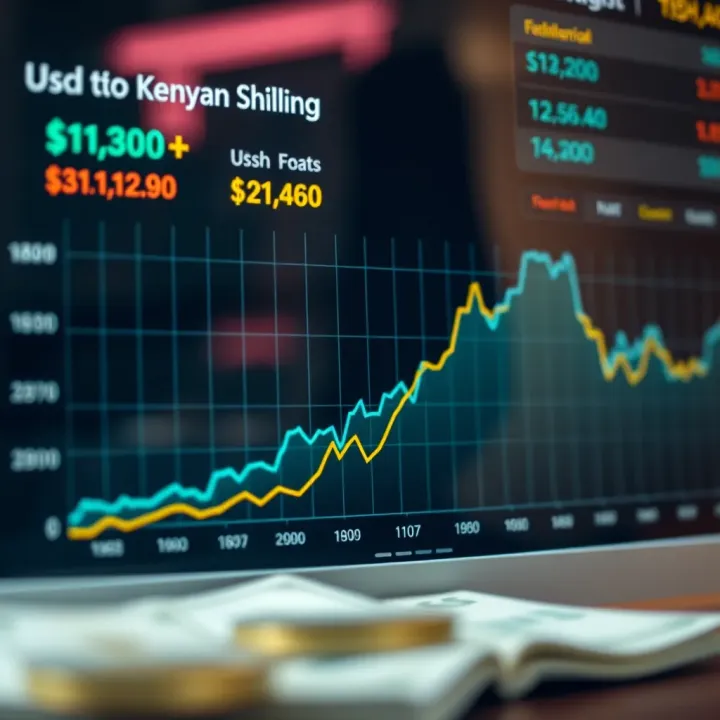
📈 Get insights into USD to KSh exchange trends, key economic factors, policy impact, and practical tips for managing your USD-KSh transactions effectively in Kenya.

📉 Get clear insights on the USD to INR exchange rate! Understand global impacts, recent trends, and expert forecasts to manage your currency risks effectively.
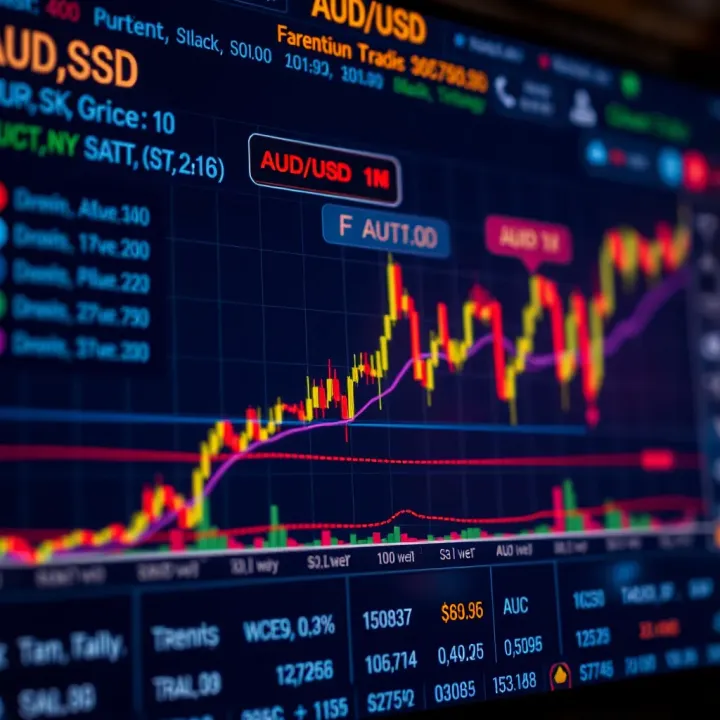
Explore AUD/USD trends, key economic factors, and market sentiment affecting the pair 🇦🇺🇺🇸. Get practical tips for confident trading decisions 📈💡.
Based on 5 reviews