
Best Time to Trade Forex for Kenyan Traders
⌚ Discover the best times to trade Forex in Kenya! Learn how market sessions, timing, and strategies affect your trading success and risk control. 📈🌍
Edited By
Edward Collins
Trading forex using your mobile phone has become more accessible, especially here in Kenya where smartphone penetration is growing fast. Whether you are a seasoned trader or just starting, mobile platforms give you the flexibility to trade anytime, anywhere — all you need is a reliable phone and steady internet.
However, trading forex on mobile is not just about convenience; it requires the right setup and understanding of how the market works. You'll need to choose apps that suit your trading style, secure your investments properly, and develop strategies that work well on smaller screens.
Successful mobile forex trading depends heavily on both preparation and discipline. It's not an instant way to make quick money but a skill to cultivate.
Here are some key points to get you going:
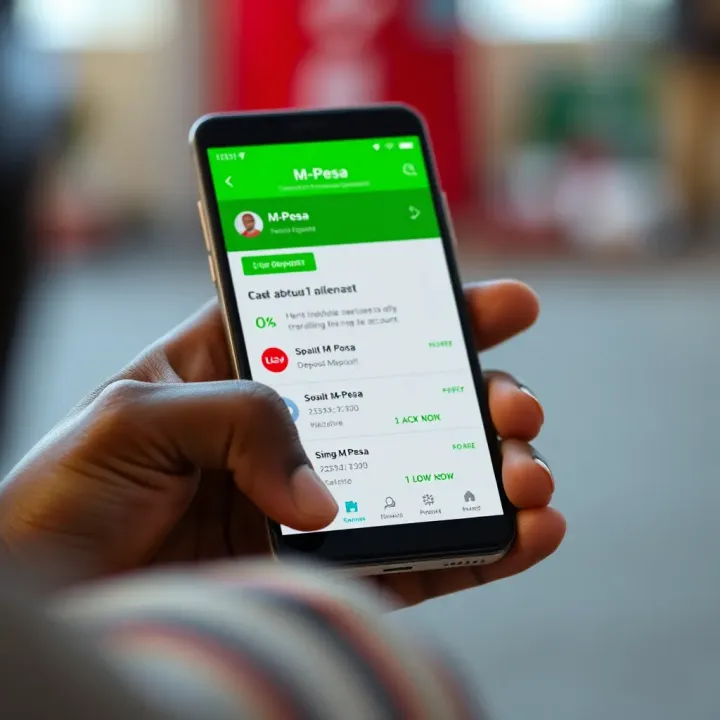
Choose a dependable mobile trading app: In Kenya, popular apps like MetaTrader 4 (MT4), MetaTrader 5 (MT5), and proprietary broker apps are widely used. Make sure the app supports M-Pesa deposits to easily fund your account.
Secure your internet connection: Poor connectivity can delay order execution, affecting profits. Use stable networks—Nairobi's fibre-optic internet or reliable 4G/5G networks in urban areas are best.
Understand leverage and margin: Mobile apps usually show these clearly. For beginners, it's safer to start with low leverage to avoid big losses.
Currency Pairs: You'll trade major pairs like USD/KES or EUR/USD. Keep an eye on economic news affecting these currencies. For example, forex moves on US Federal Reserve announcements or CBK policy changes.
Risk Management: Use stop-loss orders on the mobile app to limit losses. Never risk more than 1–2% of your trading capital on a single trade.
Demo Accounts: Practice on demo versions before committing real KSh. This helps you get used to mobile charting and trade execution.
A mobile phone can be a powerful forex trading tool with the right approach. Kenyans often face challenges like network outages or fluctuating data costs, so plan your trading sessions in stable environments to avoid headaches.
Remember, the market requires patience and constant learning. But with a good mobile setup and clear strategies, you can steadily grow your forex trading skills from your mobile device.
Forex trading involves buying one currency while selling another, commonly done in pairs like USD/KES (US Dollar/Kenyan Shilling). These currency pairs fluctuate based on factors like economic data, geopolitical news, and market sentiment. For example, if the US economy shows strong growth, the USD might strengthen against the KES, making USD/KES move upwards. Understanding how these pairs move helps you anticipate market trends and make informed trades on your mobile phone.
Brokers act as intermediaries, providing a platform where traders access the forex market. They connect you to the global currency markets via mobile apps, handling order executions and offering tools like charts and news feeds. Selecting a trustworthy broker is essential, especially in Kenya where regulation by the Capital Markets Authority (CMA) matters for your funds’ safety and fair dealings.
Forex operates 24 hours from Monday to Friday, divided into major market sessions: Asian, European, and North American. Knowing when these markets open and close helps you trade during periods of high activity and liquidity. For instance, the overlap between London and New York sessions often leads to major price movements, presenting better chances to enter or exit trades profitably.
Currency pairs represent two currencies traded against each other. Movements in these pairs reflect the strength or weakness of one currency compared to the other. For example, trading the EUR/USD pair means you’re speculating on whether the euro will rise or fall against the US dollar. Such fluctuations are affected by interest rates, inflation reports, or political events, so staying updated helps you understand why prices shift.
Brokers connect retail traders to the vast forex market, which you cannot access directly. They provide mobile platforms where you place buy or sell orders. Brokers usually earn through spreads—the difference between buying and selling prices—and sometimes through commissions. Choosing a broker that offers fast execution, decent spreads, and localised customer support is a must for smooth mobile trading in Kenya.
The forex market never really sleeps but has active periods linked to major financial centres. For Kenyan traders, knowing that London session starts at about 10 am EAT means you can plan trades during high volatility. Trading during quieter hours like the Asian session may mean less price movement, possibly fewer opportunities but also less risk.
A pip is the smallest price movement in a currency pair, usually 0.0001, and it determines your profit or loss. A lot is the unit size of your trade, with a standard lot equalling 100,000 units of the base currency. Leverage lets you control bigger positions than your actual deposit—common levels in Kenya range from 1:50 to 1:200—but it increases both risk and potential reward. The spread is the cost of trading, shown as the difference between the bid and ask prices, and lower spreads help reduce your trading costs.
The bid price is what the market will pay for a currency, while the ask price is what you pay to buy it. The gap between them (spread) represents the broker’s earnings. Understanding order types—like market orders (immediate execution) and limit orders (set price triggers)—is vital to managing trades efficiently, especially when using mobile apps where quick decisions matter.
Margin is a deposit to open a trade, like a security; it lets you trade larger amounts with less capital. However, if the market moves against you, your broker may issue a margin call, asking you to add more funds or close positions to avoid losses. Knowing how margin works prevents unexpected account closures and helps you trade responsibly using your mobile phone.
Mastering these basics gives you a solid foundation to trade confidently and avoid unnecessary losses, all from your mobile device.
Having your mobile phone ready for forex trading is more than just downloading an app. A well-set mobile environment ensures you can act quickly on market movements, manage trades safely, and enjoy a smooth experience on the go. Since forex markets operate almost 24 hours, your phone becomes your trading office, so setting it up properly is key.
Evaluating app security and user reviews is a vital first step. Not all apps are built to safeguard your funds and data. Look for apps with strong encryption, two-factor authentication, and a solid track record. Kenyan traders often turn to app stores and community forums to read honest feedback on functionality and safety. If the app has multiple complaints about losing money through glitches or poor customer service, it’s best to avoid it.
Several popular forex trading apps accessible in Kenya include MetaTrader 4 (MT4), MetaTrader 5 (MT5), and the IQ Option app. These platforms are widely used thanks to their user-friendly interfaces, reliable execution speeds, and support for mobile money deposit methods, especially M-Pesa. Their service coverage in Kenya and compliance with local regulations enhance trust among traders.
When assessing features to look for in a mobile app, consider these essentials: real-time price charts with technical indicators, easy order placement, alerts on price changes, and the ability to quickly deposit and withdraw funds. Some apps also offer educational resources or demo accounts, which are handy for beginners. Importantly, the app should perform well even on mid-range smartphones common in Kenya without draining your battery fast.
Your forex trading success depends heavily on data bundles and affordable internet options. Preferably, pick network providers that offer reliable 4G coverage in your area at competitive prices. For instance, Safaricom’s data bundles with daily or weekly validity can suit traders who need consistent access without overspending. Keep an eye on promotions and deals that can help stretch your budget.
When travelling or staying in areas with patchy signal, backup connectivity strategies become crucial. Having a second sim card from another provider or portable Wi-Fi devices can save you from missing key trades due to network issues. Some traders also schedule their trades around strong network zones, like cafes or business centres, to avoid disruptions.
The impact of poor internet on trading manifests as delayed order execution, price discrepancies, or failed transactions, leading to potential losses. Even a few seconds’ delay can make a difference in forex where prices change rapidly. Hence, stable internet is not just convenience but a risk management component.
Setting up your mobile phone properly lays the groundwork for focused, secure, and timely trading. Pick a trustworthy app, check your internet options, and prepare backup plans to guard against surprises.
This setup phase equips you to navigate the forex market with confidence, even when away from a desktop.
Funding your forex account through mobile platforms offers unmatched convenience and speed, especially for traders in Kenya where mobile money solutions like M-Pesa dominate financial transactions. This seamless process means you can transfer funds anytime, even from a boda boda or while queuing at the duka. For beginners trading forex on a mobile phone, understanding how to effectively fund accounts via mobile platforms is key to smooth trading operations.
Using M-Pesa to deposit and withdraw funds is the most popular and easiest method for most Kenyan traders. M-Pesa allows direct deposits into forex accounts within minutes, eliminating the need for physical bank visits. Withdrawals work similarly; funds move back into your M-Pesa account swiftly, often within the same day. This speed helps you manage trades actively without worrying about delays in accessing your money.
Besides M-Pesa, some brokers accept deposits from linked bank accounts via mobile banking apps such as KCB, Equity Bank, or Cooperative Bank. Linking your bank or mobile money account with the broker's platform is usually straightforward and secure, helping you monitor your balances and transactions easily. This linkage often enables quicker transfers and reduces the risk of errors common with manual payments.
Alternative payment options for forex trading include Airtel Money and Paybill services, which serve as additional routes for funding accounts. While these may have fewer brokers supporting them compared to M-Pesa, they are still valuable for traders who prefer one platform over another. Bank transfers via mobile banking apps also work for larger amounts, though they sometimes take longer to process. Using Paybill numbers allows you to send money directly from your phone, making it a handy choice for quick top-ups.
Confirming transactions and avoiding scams is critical when dealing with mobile funding. Always verify the transaction ID and cross-check the amount credited to your trading account. Fraudsters sometimes send fake confirmation messages or solicit your banking or M-Pesa PIN under the guise of account verification. Never share your PIN or passwords. Instead, rely on official app notifications and your broker’s platform to confirm successful deposits or withdrawals.
Always double-check payment details before sending money, and use only reputable brokers authorised by the Capital Markets Authority (CMA).
Typical fees involved in mobile forex funding include transaction charges by mobile money platforms and possible commissions set by brokers. M-Pesa usually charges between KS0 to KS5 depending on the amount sent, while brokers might charge a small fee or include charges in their spreads. Being aware of these fees helps you factor them into your trading costs without surprises.
To minimise costs, you can combine smaller deposits into fewer, larger transactions where possible. Brokers sometimes offer promotions with reduced or zero deposit fees, so check these offers regularly. Using direct mobile money transfers tends to be cheaper than bank transfers, which may attract higher bank transaction fees.
Withdrawal processing times vary among brokers. M-Pesa withdrawals are often instant or take a few hours but could stretch to one business day during busy periods. Some brokers require identity verification before releasing funds, which can delay processing. Always read the broker’s withdrawal policy carefully so you know what to expect and avoid frustration when accessing your profits.
Understanding these practicalities ensures your trading funds move smoothly and cost-effectively, letting you focus on making smarter forex trades from your mobile phone.
Trading forex on your mobile requires clear strategies tailored for smaller screens and quicker decisions. Basic trading strategies help you avoid rash choices, keeping your trades more calculated and less driven by emotion. In Kenya, where many rely on mobile data and quick access, simple strategies allow you to trade efficiently even when on the go.
Using a demo account is like practising on a football pitch before a real match. It lets you understand how forex works, test strategies, and get familiar with your mobile trading platform — all without risking your hard-earned KSh. This practice is especially helpful since markets move fast, and mistakes can be costly. Many Kenyan beginners skip this step and jump straight into live trading, only to lose quickly.
Make a habit of trading regularly on your demo account, focusing on real-time market conditions just as you would on a live account. Use alerts and notifications on your mobile to track currency movements and test placing different order types such as market or limit orders. Treat your demo trades seriously: apply stop-loss and take-profit rules, and record your trades to review what worked and what didn’t. This effort improves your discipline and mobile navigation skills.
Moving to a live account can challenge even experienced traders because real money adds pressure. The skills you develop on demo platforms — recognising trends, setting orders, managing risks — will serve you well. Keep your trade sizes small at first when using real money and stick to the strategies you mastered on demo. This step-by-step shift reduces shocks and guards your capital.
The core idea behind trend following is to buy when a currency pair shows a steady increase and sell when it declines. On mobile, you can spot trends by looking at simple charts and moving averages. For example, if the USD/KES usually climbs in the morning and falls in the afternoon, your app’s chart should show this pattern. Following trends helps you ride the wave with the market instead of against it.
These orders keep your losses manageable and secure your earnings automatically. Set stop-loss to limit how much KSh you lose if the market moves the wrong way. Take-profit closes your trade once you hit a target profit. Mobile apps let you place and adjust these orders quickly, which is practical when trading in volatile times like during key economic announcements.
Forex reacts strongly to news. Kenyan traders should watch local and international events such as CBK monetary decisions, US Federal Reserve announcements, or unexpected political developments in East Africa. Many trading apps provide daily news feeds compatible with mobile phones. Staying informed helps you anticipate market moves and avoid surprises.
Consistently applying these beginner-friendly strategies on your mobile phone builds good trading habits. It’s about preparing well, managing risks, and using available tools smartly.
With these in place, your trading experience becomes more controlled and less like gambling, even on the busy mobile platform.
Risk management is a key part of successful forex trading, especially when using a mobile phone. Trading on mobile offers convenience but also exposes you to sudden market moves, app glitches, or connectivity issues that can amplify losses. Managing risks helps protect your capital and keeps your trading sustainable over time. In practice, it means setting limits, having clear plans, and recognising warning signs before losses pile up.
Defining daily loss limits means deciding beforehand the maximum amount of money you're willing to lose in a single trading day. This protects your account from heavy losses during bad runs. For example, if you start the day with KSh 50,000, setting a daily loss limit at KSh 1,000 means you would stop trading once you hit that loss. It’s a simple but effective way to avoid chasing losses or risking more than you can afford.
Importance of trading plans lies in giving you a clear strategy for when to enter and exit trades, as well as how much risk to take on each trade. A trading plan prevents emotional decisions based on fear or greed. For instance, a plan might specify using stop-loss orders to cap losses, or only trading certain currency pairs during active market hours. Without a plan, you’re more likely to make impulsive trades that hurt your bottom line.
Knowing when to pause trading is crucial, especially after a series of losses or during periods of low concentration. Trading while tired, stressed, or distracted can lead to costly mistakes. If you find yourself making repeated errors or struggling to follow your plan, it’s wise to take a break. Even just stepping away for a few hours can help you return with a fresh perspective and better decision-making.
Recognising fraudulent apps and schemes protects you from losing money to dishonest platforms. Fake trading apps may promise huge returns instantly but often disappear with your funds. Always verify that the app is regulated or at least well-reviewed by trusted communities. For example, some Kenyan traders prefer established platforms like MetaTrader 4 or MetaTrader 5 accessed through trusted brokers licensed to operate in Kenya.
Safe practices for password and account management matter more than many realise. Use strong, unique passwords for your trading accounts and change them regularly. Avoid logging in from public Wi-Fi without protection and consider two-factor authentication if the app offers it. This reduces the risk of hackers gaining access and draining your account.
Dealing with psychological challenges in trading is part and parcel of managing risk. Trading can get stressful especially when the market moves against you. Feelings like fear, impatience, or overconfidence can cloud judgment. Keeping a trading journal to note your decisions and emotions helps identify patterns in your behaviour. Also, remind yourself it’s normal to have losses; focus on consistency and gradual improvement rather than quick wins.
Successful forex trading is less about guessing the market correctly every time and more about managing risk smartly to protect what you have and build steadily.
Adopting these risk management steps on your mobile device keeps you alert and in control, increasing your chances for success in the Kenyan forex trading scene.
⌚ Discover the best times to trade Forex in Kenya! Learn how market sessions, timing, and strategies affect your trading success and risk control. 📈🌍
📈 Ready to start forex trading in Kenya? Learn the basics, how to use tools, manage risks, and practical tips to trade confidently and grow your KSh wisely. 💡
📈 Learn how to trade forex online in Kenya safely with this practical guide. Discover trusted platforms, risk management, legal tips, and solid strategies to boost your trading.
Learn how Kenyan traders can use Deriv for forex trading 📈. Get tips on starting, managing risks, and understanding local regulations to trade smartly.
Based on 11 reviews