
Forex Trading Courses in Kenya: A Practical Guide
📊 Master forex trading in Kenya with practical courses covering basics, choosing programmes, and applying skills in our local financial scene using M-Pesa and market insights.
Edited By
Emily Carter
Forex trading has gained significant attention in Kenya, especially with the rise of mobile money platforms like M-Pesa. This fusion makes it easier for Kenyans to participate in global currency markets without the hassle of traditional banking systems.
Forex trading involves buying and selling currencies to profit from fluctuating exchange rates. While it can offer lucrative returns, it also carries considerable risks, especially if traders do not understand market movements or fail to manage their money carefully.
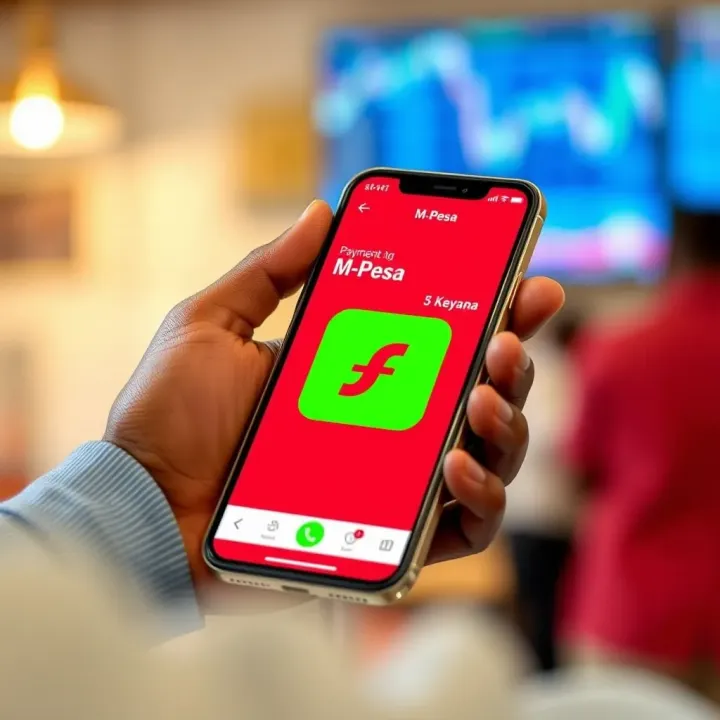
M-Pesa plays a central role here. It allows traders to deposit funds into their trading accounts and withdraw profits conveniently using their mobile phones. This eliminates the need for complex bank procedures or international wire transfers, which can be costly and slow.
Using M-Pesa for forex trading helps lower barriers to entry, bringing forex markets closer to everyday Kenyans. However, it’s critical to use trusted forex brokers who support M-Pesa transactions and comply with Kenyan regulations.
Knowing how to fund your account through M-Pesa involves these steps:
Register an account with a licensed forex broker that accepts M-Pesa.
Link your M-Pesa number to the broker’s platform.
Initiate deposits directly from your M-Pesa wallet using Lipa Na M-Pesa, Paybill, or Till number services provided by the broker.
Monitor transaction confirmations before trading.
Similarly, withdrawing funds is straightforward, as brokers transfer profits back to your M-Pesa account, allowing quick access to your money.
This system appeals especially to small-scale traders or those in rural areas without easy access to banks. M-Pesa’s widespread adoption ensures most Kenyans can engage with forex markets using familiar mobile tools.
Understanding this synergy between forex trading and M-Pesa sets the foundation for safer and more practical participation in currency markets. Subsequent sections will explore legal considerations, risk management, and practical tips to help you navigate this arena confidently.
Forex trading has caught the attention of many Kenyans seeking additional income streams beyond traditional employment. Understanding how it works and why it's attractive locally helps traders make informed decisions. This section breaks down the basics of forex trading and highlights factors driving its popularity among Kenyans.
Forex trading, or foreign exchange trading, involves buying and selling different currencies to profit from fluctuations in their exchange rates. For example, a trader might exchange the US dollar (USD) for the euro (EUR) expecting the euro to gain value. This practice happens electronically on global platforms 24 hours a day, five days a week. It's important to note that unlike stock trading, forex trading deals with currency pairs and is highly liquid.
Most forex traders focus on the major currency pairs, which typically involve the US dollar alongside other strong currencies like the euro, British pound (GBP), Japanese yen (JPY), and Swiss franc (CHF). For example, EUR/USD and GBP/USD are widely traded due to their high liquidity and low spreads. Understanding which pairs to trade helps Kenyan traders manage risk and choose markets with enough volume to enter and exit positions smoothly.
The forex market doesn't have a central exchange. Instead, it operates as an over-the-counter (OTC) market where banks, brokers, and traders interact electronically across different time zones. This global setup means that forex trading is continuous except on weekends, with major financial centres like London, New York, and Tokyo driving market activity. Kenyan traders can take advantage of these overlapping hours, particularly during London and New York sessions, to trade when markets are most active.
Forex trading offers an opportunity for Kenyans to earn additional income, especially for those who may not find traditional jobs easily. Due to the leverage offered by brokers, traders can control larger positions with relatively small capital. For instance, a trader with KSh 10,000 might open trades worth KSh 100,000. That said, leverage amplifies both gains and losses, so understanding risks is key. Several success stories circulate among Kenyan trading communities, showing how consistent strategies can yield profits.
Online forex platforms have drastically lowered entry barriers for Kenyan traders. With just a smartphone and internet connection, anyone from Nairobi's CBD to rural towns can participate. Platforms like MetaTrader offer user-friendly tools and allow integration with mobile money services such as M-Pesa for seamless deposits and withdrawals. This accessibility means even small-scale traders can engage without needing a physical brokerage office.
Kenya's digital economy has been expanding rapidly, and mobile money services have taken root as trusted payment solutions. This environment supports forex trading by simplifying financial transactions and reducing dependence on banks. Moreover, increased smartphone penetration and reliable mobile data across the country make forex trading feasible for many. This trend aligns with Kenya’s broader push towards financial inclusion and digital entrepreneurship, encouraging younger generations to explore forex as a side hustle or full-time venture.
Understanding both the basics of forex trading and its appeal within Kenya’s unique digital and economic context helps you plan smarter trades. Awareness of currency pairs, market operations, and local advantages positions you better for success.
M-Pesa plays a key role in making forex trading accessible to many Kenyans. Its integration with forex platforms helps traders fund accounts quickly and safely without dealing with complex international bank transfers. As mobile money is deeply entrenched in Kenya’s daily life, using M-Pesa for forex transactions limits barriers like complicated paperwork or long processing times common with traditional banking.
Linking M-Pesa directly to forex trading platforms is a straightforward process on most reputable brokers’ websites. Traders register their accounts, then select M-Pesa as the preferred deposit or withdrawal method. The broker provides a Till Number or Paybill, which the trader uses within the M-Pesa app to send funds. This method allows deposits to reflect almost instantly, meaning you can start trading or adjust your position with hardly any waiting.
Besides speed, using M-Pesa improves security because transactions require PIN authentication. This reduces fraud risks compared to some international payment methods. Kenyan forex traders also avoid forex charges on currency conversion since M-Pesa deals in Kenyan Shillings (KSh), simplifying the funding process.
Depositing funds using M-Pesa comes with low fees and flexible limits set by the broker and Safaricom. For example, many platforms accept deposits as low as KSh 1,000 up to higher amounts, matching most traders’ needs. Withdrawals via M-Pesa are equally convenient — profits can arrive on your phone within 24 hours.
Using M-Pesa removes dependence on international wire transfers that can take several days and often attract high bank fees. This ease enhances traders’ ability to manage cash flow effectively, which is vital in the fast-moving forex market.
Several brokers have embraced M-Pesa to attract Kenyan clients. Well-known names include HotForex, XM, and FXPesa, all allowing seamless deposits and withdrawals through M-Pesa. These brokers have established good track records, making them popular among local traders.
Before choosing a broker, confirm whether they are licensed by recognised regulators such as the Capital Markets Authority (CMA) in Kenya or international authorities like the Financial Conduct Authority (FCA) in the UK. Additionally, check for reviews from other Kenyan traders and ensure the platform provides clear terms for M-Pesa transactions.
Remember, legitimate brokers will not pressure you to invest large sums immediately and will have straightforward procedures for depositing and withdrawing funds. Avoid platforms without transparent contact details or unclear licensing information.
Using M-Pesa as your payment method not only speeds up your forex transactions but also gives you better control over your funds, helping you stay alert and responsive in Kenya’s dynamic forex environment.
Setting up and funding a forex account through M-Pesa is a practical step for Kenyan traders looking to access global foreign exchange markets easily and securely. Since M-Pesa is widely trusted and accessible, it allows traders to manage funds swiftly without needing traditional bank accounts. This convenience is especially relevant for many Kenyans who rely on mobile money for daily transactions.
Choosing the right broker is critical because it affects your trading experience and safety. Look for brokers who have a clear presence in Kenya or offer M-Pesa integration, making deposits and withdrawals simpler. Besides payment methods, check whether the broker is regulated by reputable bodies like the Capital Markets Authority (CMA) or international regulators. A well-established broker will provide not just security but also responsive customer support and clear trading terms.
Necessary documentation and verification usually involve submitting a national ID or passport, proof of residence (like a utility bill), and possibly proof of income or employment. These documents help brokers verify your identity and comply with anti-money laundering rules. Completing this verification saves you from delays later when you want to deposit or withdraw, as unverified accounts might face restrictions.
Steps to transfer funds from M-Pesa to forex account are straightforward but vary slightly depending on the broker. Generally, you start by logging into your forex account, selecting the M-Pesa payment option, and noting the Paybill or Till number provided. Then, on your phone, go to the M-Pesa menu, select Lipa na M-Pesa, choose Paybill or Till, and enter the details along with the deposit amount. This instant transfer means your trading account funds are credited immediately, allowing you to enter trades without delay.
Typical deposit limits and fees depend on both the broker and Safaricom’s M-Pesa regulations. Many brokers set a minimum deposit as low as KSh 1,000 to make trading accessible, but the maximum limit can range from KSh 100,000 to KSh 1 million or more per transaction. M-Pesa charges a small transaction fee based on the amount sent, usually from KSh 11 to KSh 270. It’s important to review both your broker’s deposit fees and M-Pesa charges to avoid surprises.
Process for cashing out earnings is typically just as easy as funding. You request a withdrawal from your forex account dashboard, entering your M-Pesa details. Once approved, the broker transfers the funds back to your M-Pesa number. This method allows you to receive your profits quickly into your phone wallet, handy for everyday use or cashing out at any M-Pesa agent.
Withdrawing via M-Pesa keeps the process swift and avoids bank-related delays or charges that can be cumbersome for the average Kenyan trader.
Timeframes and potential charges vary by broker but usually take between a few minutes to 48 hours for funds to appear on your M-Pesa account. Some brokers offer instant withdrawals, while others process them within one business day. Withdrawal fees may be charged by brokers, often a flat fee or percentage, plus Safaricom’s standard M-Pesa receipt charges. Hence, always double-check these fees to keep your trading profitable.
Using M-Pesa for funding and withdrawals streamlines forex trading in Kenya, making it a practical solution to bridge local finance with international markets effectively.
Navigating the legal framework is vital when trading forex in Kenya to avoid pitfalls and ensure secure transactions. Understanding how local laws and regulators govern forex trading helps traders protect their investments and comply with necessary rules. This section highlights key legal points and practical advice Kenyan traders should be aware of.
The Capital Markets Authority (CMA) plays a central role in regulating forex trading within Kenya. Its primary responsibility is to oversee capital markets and ensure that brokerage firms and trading platforms operate fairly and transparently. For example, the CMA requires brokers offering forex services to register and maintain certain standards to protect Kenyan investors from malpractices.
That said, forex trading regulation covers only those brokers licensed by the CMA and operating within Kenya's jurisdiction. Traders dealing with foreign brokers not regulated by CMA operate in a grey area, which involves higher risks and reduced protections. Therefore, sticking to CMA-accredited brokers provides a layer of legal safety and grievance redress for Kenyan traders.
Currently, forex trading itself is not illegal in Kenya, but it is not as tightly regulated as other financial services. The CMA issues guidelines and warnings to curb fraudulent activities but has not established a comprehensive legal framework governing all aspects of forex trading. This means traders must exercise extra caution, particularly when selecting brokers or platforms to handle their funds.
Forex scams remain a real threat to Kenyan traders, with scammers often promising guaranteed high returns or insider information. Such schemes typically lure victims into investing funds that later disappear. One common scam involves fake brokers using professional-looking websites and aggressive marketing to build trust before blocking client accounts or withholding withdrawals.
Traders should know warning signs like unusually high leverage offers, demands for upfront payments to unlock profits, or unsolicited contact through WhatsApp or social media channels. Always question offers that sound too good to be true since forex profits inherently carry risk and uncertainty.
Verifying brokers’ credentials is the best defence against scams. Kenyan traders should confirm that a broker is licensed by the CMA or reputable international bodies such as the Financial Conduct Authority (FCA) in the UK or the Australian Securities and Investments Commission (ASIC). This check includes visiting official regulator websites to ensure the broker’s name appears on the authorised list.
In addition, reading customer reviews on trusted forums and consulting local financial advisors can help validate a broker’s track record. Ultimately, working only with well-established brokers reduces exposure to scams and strengthens overall trading security.
Staying aware of regulations and vigilant against scams protects your hard-earned money and builds confidence to trade wisely in the forex market.
Managing risks while building a trading strategy is key for Kenyan forex traders who seek steady gains in a market known for its unpredictability. Forex trading involves a real chance of losing money, so having clear plans on how to control losses and protect your capital is non-negotiable. A solid strategy helps you make informed decisions rather than acting on impulse — this approach improves your chances of consistent profits.
The forex market is highly volatile, meaning prices can change rapidly within seconds. This volatility can work in your favour, but it can also mean substantial losses if not managed correctly. Leverage lets you control a large position with a small amount of money, increasing both potential gains and risks. For example, using 1:100 leverage means a KS,000 deposit can control KS00,000 worth of currency, but even a small price movement against your trade can wipe out your investment quickly.
Practical management of these risks includes setting stop-loss orders to limit potential losses and avoiding excessive leverage. Kenyan traders often get attracted by the idea of maximising returns through high leverage but end up losing more than expected because of market swings.
Besides general market risks, Kenyan traders face unique challenges. Unregulated forex brokers claiming M-Pesa compatibility sometimes target local traders, risking loss through scams or failed withdrawals. Additionally, fluctuations in the Kenyan Shilling due to local economic factors can indirectly affect your forex positions, especially when trading currency pairs involving the KSh.
Another local concern is internet connectivity issues, which can cause delays or disruptions in placing trades and accessing your accounts. This can be costly in a fast-moving forex market where timing is crucial.
Beginning with a small amount allows you to learn without risking huge sums. If you deposit KS,000 instead of KS0,000, you can observe market behaviour, test strategies, and understand how M-Pesa deposits and withdrawals impact your trading without bearing heavy losses. This approach is particularly helpful to those new to forex or those still adapting to the M-Pesa interface for trading.
It’s wise to gradually increase your trading capital only when you feel confident and have recorded consistent small gains. Avoid rushing to invest large money based on emotions or hearsay.
Most reputable brokers offer demo accounts, where you trade with virtual money to practise without risking real funds. This experience is invaluable; it helps you get comfortable with the trading platform, test different strategies, and understand market patterns before committing your real money.
You should also tap into Kenyan-specific learning resources, like webinars or forums tailored to local traders, to gain insights relevant to the Kenyan market. For instance, community-led groups discussing forex trading regulations as per the Capital Markets Authority (CMA) or experiences with brokers supporting M-Pesa add practical value.
Practising on demo accounts and starting small are simple steps that protect your savings and build your trading skills over time.
Managing risks and building a clear trading strategy may not guarantee instant wealth, but they ensure you stay in the game longer with fewer losses. For Kenyan traders using M-Pesa, this approach combines local convenience with smart financial habits to navigate the forex market more safely.
📊 Master forex trading in Kenya with practical courses covering basics, choosing programmes, and applying skills in our local financial scene using M-Pesa and market insights.
📈 Ready to start forex trading in Kenya? Learn the basics, how to use tools, manage risks, and practical tips to trade confidently and grow your KSh wisely. 💡
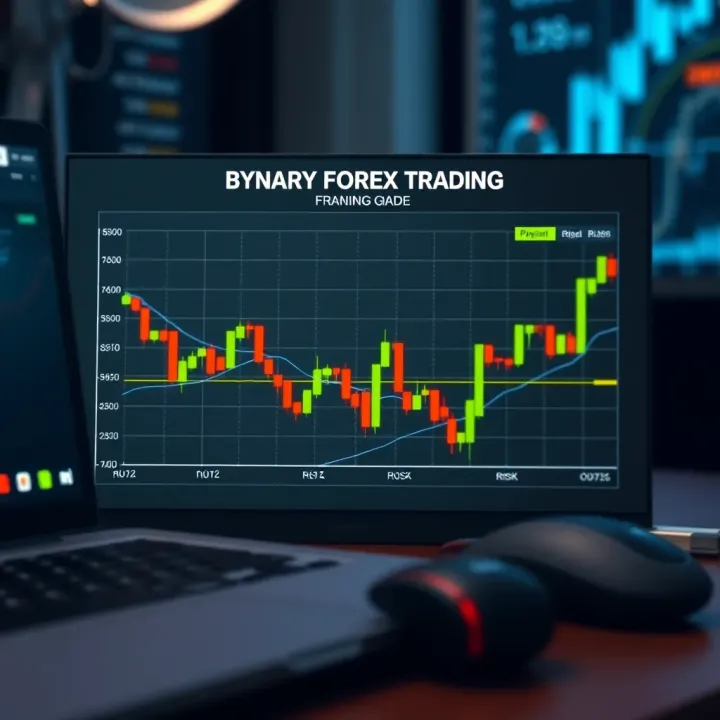
📉 Explore binary forex trading with clear insights on strategies, risks, regulations, and tips tailored for traders in Kenya. Trade smarter today!

🔍 Learn how Peer-to-Peer (P2P) trading lets Kenyans buy and sell direct, understand platforms, manage risks, and follow local rules for safer deals.
Based on 11 reviews