
Forex Trading for Beginners in Kenya
📈 Ready to start forex trading in Kenya? Learn the basics, how to use tools, manage risks, and practical tips to trade confidently and grow your KSh wisely. 💡
Edited By
Edward Mitchell
Finviz is widely recognised as a powerful stock market analysis tool. It's popular with investors and traders looking to scan for the best stocks, follow market news, and spot trends using a mix of charts, maps, and filters. However, many forex traders wonder if Finviz can also be helpful in foreign exchange trading, especially here in Kenya where the forex market is vibrant but lacks dedicated homegrown tools.
While Finviz’s primary focus is on equities, it does offer some indirect value for forex traders. The platform provides timely global financial news, currency strength insights based on major currency pairs, and economic calendar updates. These can give forex traders a macro-level understanding of how forex markets might react to broader economic events or stock market sentiment.
That said, Finviz has some notable limitations for forex trading:
It lacks real-time forex price quotes or detailed currency charts.
There’s no specialised forex technical analysis interface.
Currency news is less comprehensive compared to dedicated forex platforms.
For Kenyan traders dealing with forex specifically, relying solely on Finviz would miss important details like spread costs, leverage options, or global forex liquidity conditions.
Using Finviz alongside dedicated forex tools rather than as a standalone platform helps strike a balance between broad market awareness and detailed currency analysis.
Traders can use Finviz to track relevant economic announcements and gauge market sentiment, then switch to platforms like MetaTrader 4 or 5, TradingView, or Investing.com for specific forex analytics and technical charting. This combined approach is particularly useful when trading major pairs such as USD/KES, EUR/USD, or GBP/USD, where both stock market trends and forex fundamentals interplay.
In summary, Finviz offers some useful forex-related insights but falls short as a comprehensive forex trading tool. Kenyan forex traders should leverage its strengths in news and market overviews while turning to specialised forex platforms for actual trading execution and technical analysis.
Finviz is primarily known as a stock market analysis platform, providing a range of tools aimed at helping traders and investors make informed decisions. While it was built around equities, its data aggregation and visualisation capabilities offer useful insights beyond stocks. This makes it interesting for forex traders who want to understand wider market movements and economic influences that indirectly affect currency pairs.
Finviz features a powerful stock screener that filters shares based on criteria like market cap, dividend yield, price performance, and sector. This benefits forex traders looking to monitor companies sensitive to currency fluctuations. For example, a Kenyan trader might track multinational firms listed on the NSE or US stocks with significant exposure to USD-KES movements. By screening stocks tied to certain currencies or countries, traders gain clues about economic health and potential forex shifts.
The platform offers interactive charts displaying price trends, volume, and technical indicators such as moving averages or Relative Strength Index (RSI). Although these charts pertain to stocks, they help forex traders understand market sentiment and momentum on correlated assets. For instance, a strong uptrend in export-focused companies might signal currency strength in that region, guiding forex timing decisions.
Finviz consolidates financial news from various sources, providing real-time updates on economic developments, earnings reports, and geopolitical events. Forex traders benefit from this timely information to anticipate currency reactions. A trader in Nairobi, for example, could monitor US Federal Reserve announcements or Kenyan inflation data aggregated on Finviz and act swiftly.
Heat maps offer a snapshot of market sectors or asset classes using colour-coded performance data. This visual tool allows forex traders to quickly grasp regional economic trends or sector-specific risks affecting currency pairs. For instance, a heat map showing weakness in oil stocks might hint at oil-exporting countries’ currencies weakening, influencing trading choices involving USD or CAD.
Many stocks covered on Finviz have earnings exposed to multiple currencies. Analyzing such stocks helps forex traders see how currency fluctuations impact industries across borders. For example, Kenyan exporters listed on foreign exchanges may react to KES volatility—tracking these stocks offers indirect forex insights.
Since forex valuations often respond to macroeconomic changes, Finviz's global news coverage assists in tracking key indicators like interest rate changes or trade policies. Kenyan traders using the platform catch updates on US, China, and EU economies influencing forex markets.
While Finviz provides rich stock market tools, it lacks dedicated forex data such as live currency pair charts, spreads, and forex-specific technical indicators. For Kenyan traders needing real-time forex prices or minute-by-minute updates, this is a noticeable gap. Hence, Finviz works best when used alongside specialised forex platforms but still adds value by giving broader market context.
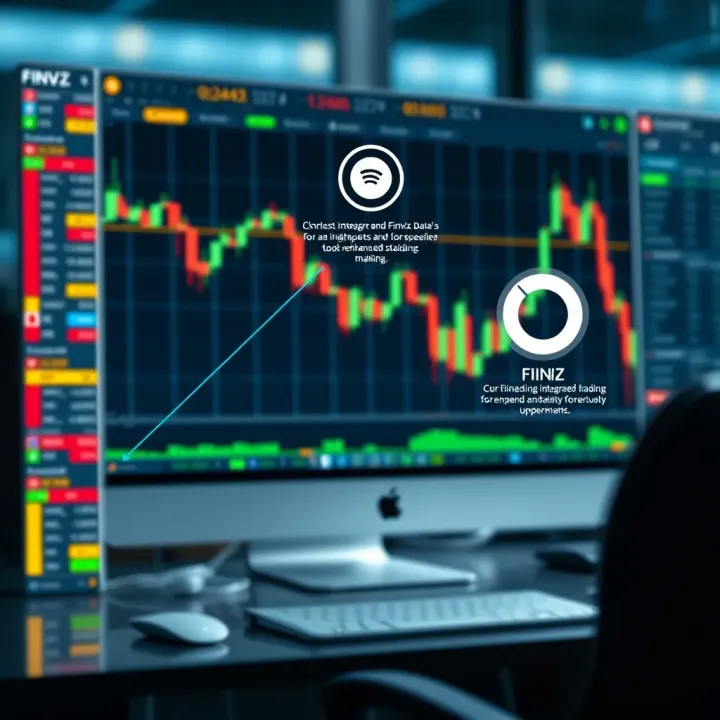
Using Finviz alongside forex-dedicated platforms lets traders combine macroeconomic perspective with precise currency data for smarter decisions.
Finviz is widely recognised for its stock market tools, but when it comes to forex traders, it presents clear limitations that affect its usefulness. Understanding these gaps helps forex traders avoid pitfalls and choose the right tools to complement their trading strategies. For Kenyan traders, where precision and real-time data are essential due to market volatility and fast decision-making, these limitations carry particular weight.
One major constraint is Finviz’s absence of currency pair charts and spreads. Unlike platforms designed for forex trading, Finviz doesn’t provide dedicated charts for currency pairs like USD/KES or EUR/USD, nor does it show spreads— the difference between buying and selling prices. Without these, traders cannot track the exact price movements or cost of trading specific forex pairs, limiting Finviz’s practical use for direct forex market analysis.
Similarly, Finviz lacks forex-specific technical indicators that are crucial for currency trading. Indicators like the Relative Strength Index (RSI), Moving Average Convergence Divergence (MACD), or Fibonacci retracements are tailored differently for forex pairs compared to stocks. Since Finviz focuses on equities, it does not offer the specialised tools forex traders rely on to gauge momentum, entry points, or exit signals in the currency markets.
Finviz also shows delayed forex price updates, which matters a lot in the fast-moving forex markets. While stock data can tolerate slight lags, forex traders need minute-by-minute or second-by-second updates to react swiftly. Delays in price feeds can cause missed opportunities or poor trade execution, especially when market conditions change rapidly.
Beyond delays, Finviz offers limited real-time forex market information. It lacks comprehensive features like live order books, depth of market views, or real-time news feeds specific to currency fluctuations. Such real-time insights are vital for informed decisions, particularly when countries release economic data or there are geopolitical events impacting currencies.
Kenyan forex traders face unique challenges, including market volatility influenced by local economic news and regional developments. The need for precise execution in volatile forex markets means every second counts. A tool that doesn't supply up-to-date prices, spreads, and tailored indicators won’t support the timing required to catch short-term moves profitably.
When comparing Finviz to local forex broker platforms like those provided by local licensed brokers or apps integrating KRA and CMA requirements, the difference is clear. Kenyan brokers offer more tailored features, including real-time quotes, leverage management, and integration with mobile money systems like M-Pesa for quick deposits and withdrawals. Such features are critical for Kenyan traders who depend on both speed and smooth fund transfers to stay competitive.
For forex trading in Kenya, relying solely on Finviz could leave you flying blind on crucial currency details, underscoring the need to blend its broader market insights with specialist forex platforms.
Using alternative platforms specifically designed for forex trading is key for real-time market engagement and detailed analysis. While Finviz offers valuable stock market insights, dedicated forex platforms provide tailored tools—from accurate currency pair price feeds to specialised technical indicators—that help traders respond quickly to market moves.
MetaTrader 4 and 5 are the most used platforms globally among forex traders. MetaTrader 4 (MT4) has built a reputation for reliability, offering extensive charting tools, automated trading capabilities through Expert Advisors (EAs), and a user-friendly interface. Its successor, MetaTrader 5 (MT5), adds more asset classes, a wider range of timeframes, and advanced order types. For Kenyan traders, these platforms are accessible via local brokers and integrate well with mobile apps, allowing one to trade on the move without missing opportunities.
TradingView stands out for its interactive, web-based charts and extensive social trading community. Beyond basic forex data, it offers advanced charting with customisable technical indicators and scripts created by users. Kenyan traders can benefit from TradingView’s browser-based access, which is practical for those with limited device storage or data bundles. This platform also supports alert notifications that keep traders updated on price levels and patterns across multiple currency pairs.
cTrader offers a clean interface with professional-grade tools for experienced forex traders. It supports advanced order types like limit, stop, and trailing stops, plus detailed level II pricing (market depth). This can be quite useful in volatile markets like forex, where precise entry and exit are crucial. Kenyan brokers increasingly support cTrader, recognising its appeal among traders who want low-latency execution and robust analytics.
Accessing data over mobile networks remains the reality for many traders in Kenya. Platforms that consume less data and run smoothly on 3G or 4G connections offer a real edge. For instance, MetaTrader apps are optimised for mobile, whereas heavier platforms might struggle with inconsistent network coverage in rural areas.
Integration with M-Pesa and local banks streamlines fund deposits and withdrawals, cutting down delays and fees compared to international bank transfers. Brokers and platforms linked to M-Pesa enable traders to move money quickly into trading accounts, which is crucial when acting on sudden market changes.
Complying with regulations from the Capital Markets Authority (CMA) Kenya ensures your chosen platform operates legally and protects you as a trader. Platforms endorsed or licensed within Kenya provide more reliable customer support and assure transparency in operations. This matters especially for beginners navigating the forex market.
Real-time quotes and alerts minimise missed opportunities in fast-moving markets. Platforms like MT4, TradingView, and cTrader provide price notifications once thresholds are met or technical patterns form, allowing traders to act swiftly rather than constantly watching charts.
Having comprehensive technical indicators such as Relative Strength Index (RSI), Moving Averages, Bollinger Bands, and Fibonacci retracements at your fingertips helps in spotting trends and potential reversals. These indicators work best when combined thoughtfully, and forex platforms offer preset libraries plus the option to import or build custom indicators.
Advanced charting and strategy testing features let traders backtest ideas with historical data before risking real money. Such tools help identify the best settings for strategies or adjust parameters according to the changing forex environment. Kenyan traders can try demo accounts offered by most platforms to experiment without financial risk.
Choosing the right forex analysis platform tailored to your needs and local conditions sharpens trading decisions and improves chances for consistent profits.
While Finviz is mainly a stock market analysis tool, forex traders can still benefit by using it to get broader market context. This section focuses on how to integrate Finviz insights with specialised forex platforms to improve your decision-making.
Tracking global stock movements affecting currencies
Currency values often react to shifts in global stock markets. For instance, a dip in commodity stocks can weaken currencies of countries heavily reliant on exports, like the Kenyan shilling. By watching Finviz’s stock heat maps and sector performance, you can spot trends likely to influence currency pairs. This helps you anticipate moves that might not be obvious from direct forex charts alone.
Monitoring economic indicators and news
Finviz offers quick access to economic news and key indicators such as interest rates, GDP growth, or trade balances. Such data impacts forex markets significantly. For example, a surprise rate increase in the US often strengthens the US dollar while affecting forex pairs like USD/KES. Staying updated with Finviz alerts supports your ability to respond to news before it moves the market too much.
Cross-referencing financial news
No single platform can cover everything, so cross-checking Finviz's reports with forex-specialised tools ensures well-rounded information. Suppose an energy company’s stock rises sharply; combining this with forex data might explain shifts in currencies tied to oil-exporting countries. This layered approach improves your trade timing and risk management.
Timing trades with macroeconomic events
Macro events like central bank meetings or inflation reports can move forex markets fast. Use Finviz to prepare by tracking which stocks or sectors could be affected beforehand. Then confirm with real-time forex platforms for entry and exit points. This strategy helps you align trades with broader economic cycles instead of isolated price moves.
Setting up alerts for currency-related stocks
Create alerts on Finviz for stocks in sectors closely linked to currencies you trade. For instance, keep tabs on mining firms if you’re trading USD/ZAR or agricultural exporters for USD/KES. These alerts notify you of rapid changes, giving early signals that might affect forex pairs through economic channels.
Using heat maps to gauge market sentiment
Finviz heat maps offer a visual snapshot of market strength or weakness. By checking these regularly, you can gauge overall risk appetite which influences forex volatility. For example, widespread losses in emerging market stocks often coincide with shilling depreciation. This visual tool complements technical forex charts to improve your market read.
Combining Finviz’s market insights with dedicated forex platforms gives you a fuller picture, enabling smarter trades. Use Finviz to watch wider economic shifts and then narrow down with real-time forex data for effective execution.
Having access to accurate and timely data is the backbone of successful forex trading. In Kenya, where internet connectivity can sometimes be patchy, traders must rely on platforms that provide clear, real-time market information. For example, using tools like MetaTrader 5 or TradingView ensures you get live price updates and comprehensive charting features, which help anticipate market moves. Without reliable data, making informed decisions becomes guesswork, increasing the chance of losses.
Moreover, the use of quality analysis tools helps you identify patterns, trends, and entry or exit points quicker. Combining insights from broader financial platforms like Finviz with specialised forex platforms improves your outlook, especially when global economic news impacts currency pairs. Relying solely on one source may leave you exposed to blind spots in the fast-moving forex market.
Volatility in forex markets can be intense, with prices swinging sharply within minutes. This can be both an opportunity and a threat. For Kenyan traders, recognising when volatility spikes—such as during major economic releases or geopolitical events—is crucial. For instance, unexpected changes in the US Federal Reserve's interest rate decision often cause ripples affecting the shilling and other currencies.
Managing this volatility requires setting clear risk parameters like stop-loss orders or limiting trade sizes. Overexposure in a volatile market may wipe out your capital fast. Practicing disciplined trade management, especially in the busy sessions overlapping London and New York trading hours, can help you avoid costly mistakes.
Impact of local and regional economic policies also plays a key role in forex trading decisions. Changes in Kenya's monetary policy by the Central Bank or shifts in East African Community trade agreements can influence the value of the Kenyan shilling. Recently, adjustments to VAT or fuel levies have affected import costs, indirectly impacting forex demand.
Understanding these policy moves helps anticipate currency trends sooner than waiting for market reaction. For example, a tightening monetary policy often strengthens the shilling, while political instability might weaken it. Keeping an eye on government statements and the CBK's announcements gives traders a valuable edge.
Forums, trading groups, and mentorship are invaluable in a market like Kenya's, where peer learning complements formal education. Joining online communities or local meet-ups allows you to share experiences, discuss strategies, and access real-time tips on market developments. Mentorship from experienced traders can help shorten your learning curve by exposing you to both successes and pitfalls others have faced.
For example, groups on WhatsApp or Telegram often exchange currency pair analysis or alert members about upcoming economic events impacting forex. This communal approach reflects the Kenyan spirit of harambee—pulling together to succeed.
Regulatory guidelines from CMA Kenya matter deeply for protecting your investments. The Capital Markets Authority oversees forex brokers and trading practices to ensure fairness and transparency. Trading with CMA-licensed platforms reduces the risk of falling victim to scams or unfair trading conditions prevalent with unregulated brokers.
Being familiar with CMA regulations allows you to recognise red flags early. For instance, brokers demanding unusually high deposits without proper licensing should be avoided. The CMA also offers valuable educational resources and updates on market rules that help traders stay compliant and safe.
Effective forex trading in Kenya blends accurate data, risk management, and connected learning—grounded in local realities and regulations—to maximise your chances of success.
📈 Ready to start forex trading in Kenya? Learn the basics, how to use tools, manage risks, and practical tips to trade confidently and grow your KSh wisely. 💡
📉 Explore binary forex trading with clear insights on strategies, risks, regulations, and tips tailored for traders in Kenya. Trade smarter today!

📲 Find the best forex trading app for Kenya 🇰🇪. Learn key features, top platforms, safety tips, and how to trade smartly using your mobile device today.
Learn to use the Deriv pip calculator 📊 for smarter Forex trading. Manage risk, understand pips, and make better currency trades with clear steps.
Based on 9 reviews