
Forex Trading Courses in Kenya: A Practical Guide
📊 Master forex trading in Kenya with practical courses covering basics, choosing programmes, and applying skills in our local financial scene using M-Pesa and market insights.
Edited By
Oliver Scott
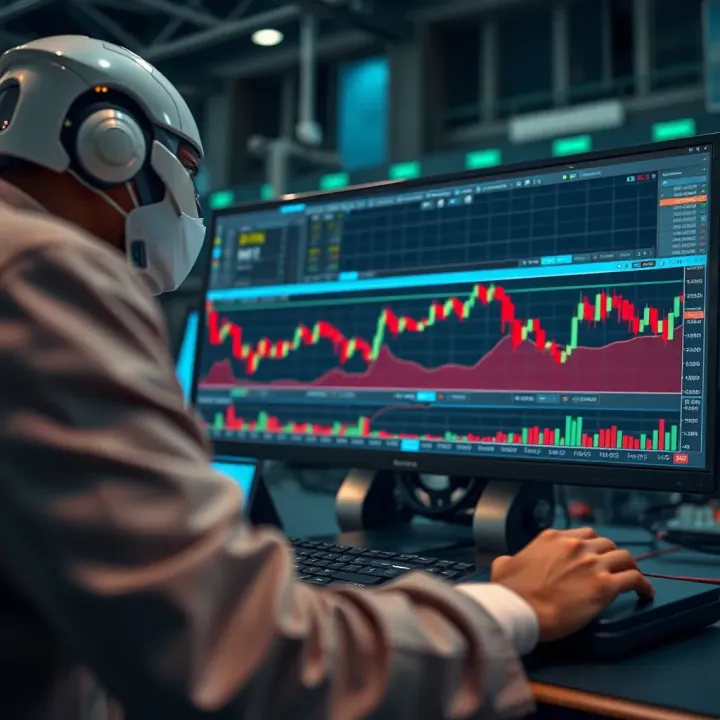
Robot trading in the forex market refers to automated software that buys and sells currencies based on predetermined rules and algorithms. Unlike manual trading where a person studies charts and makes decisions, forex robots act without human input once set up. They can monitor price movements 24/7 and execute trades at high speeds, which can be a big advantage given how fast forex markets move.
Most robots analyse technical indicators such as moving averages or Relative Strength Index (RSI) to decide when to enter or exit a trade. For example, a robot might be programmed to buy the US dollar against the euro if the RSI shows oversold conditions and the moving average signals upward momentum. This removes emotions from trading, which many traders find challenging.
Consistent application of a tested strategy without panic or greed
Ability to trade continuously, even when the trader is asleep or busy
Faster execution of trades reducing risk of slippage
That said, robots come with risks. They rely heavily on historical data and pre-defined rules, meaning sudden market events or news can cause losses. Also, poor programming or over-optimisation for past data can lead to underperformance.
For Kenyan traders, choosing reliable forex robot software is key. You should verify if the robot company is regulated or at least transparent about its performance. Running the software on demo accounts first helps spot flaws without risking real money.
Automated forex trading can ease some of the complexities of trading but it’s no magic solution. Understanding how the robot operates and setting clear risk limits are essential to avoid costly mistakes.
Overall, integrating robot trading into a broader strategy with proper risk management could help traders stay active in the forex market with less stress. Knowing when to let the robot trade and when the human eye should step in will improve your chances of success.
Understanding how robot trading operates in the forex market helps traders make informed decisions before adopting these technologies. Forex robots automate trading based on specific rules and data inputs, reducing the manual burden on traders. This process allows quick reaction to market changes, which is especially useful in forex markets that run 24 hours a day.
Algorithm-driven trading decisions involve pre-programmed instructions that tell the robot when to enter or exit trades. These algorithms analyse market data such as price movements, volume, and economic indicators. For example, a robot might use moving averages to decide when a currency pair is trending up or down, then buy or sell accordingly. This automation removes human emotions like fear or greed from trading decisions, which often cause mistakes.
Automated order execution means the forex robot places buy or sell orders instantly once the algorithm signals a trade. This speeds up trading, as manual placing of orders involves delays that could affect profitability. For instance, if the robot spots a short-term price dip in USD/JPY, it can instantly buy before the price rebounds. The speed and precision in order execution are key advantages, especially in volatile market conditions.
Role of trading signals and indicators plays an important part in robot trading. Signals are alerts generated by technical indicators that suggest potential price moves. Robots use these indicators—like Relative Strength Index (RSI), Bollinger Bands, or MACD—to assess market conditions. By programming these signals, traders ensure their robots respond to specific scenarios. For example, a robot may sell a forex pair when the RSI points to an overbought condition, expecting a price drop soon.
Fully automated robots handle all aspects of trading without any input from the user once set up. They monitor the market, analyse data, place trades, and close positions automatically. This can be ideal for traders who cannot watch the market frequently or prefer a hands-off approach. However, this requires trust in the robot's algorithm and ongoing monitoring for technical glitches.
Semi-automated tools act more like assistants, providing signals or trade suggestions which the trader chooses to act on. These tools require human decisions to confirm trades, allowing for more control. For example, a trader may receive alerts for potential trade opportunities but decide based on current market news or personal judgement whether to proceed.
Copy trading and signal providers offer yet another approach where traders can mimic experienced forex traders' moves. Copy trading platforms link your account to an expert trader’s strategy, automatically replicating their trades. Signal providers offer trade ideas based on their market analysis, which you can choose to follow. This is helpful for less experienced traders seeking to leverage expertise, but it’s important to vet the performance history of signal providers carefully.
Using forex robots means understanding the type of automation and the strategy behind it. This knowledge helps you pick tools that match your trading style and risk tolerance.
By knowing these basics, traders can better approach robot trading without falling into common pitfalls, especially in Kenya’s dynamic forex environment where factors like funding via M-Pesa and broker reliability play a big role.
Forex robots come with benefits and risks that every trader should weigh carefully before relying on these tools. They aim to simplify trading by automating decisions, but their effectiveness depends on factors such as market conditions and technical reliability. Knowing their strengths and weaknesses helps traders make informed choices that suit their goals and risk tolerance.
One of the main reasons traders turn to forex robots is to cut out emotions from trading decisions. Human traders often struggle with fear, greed, and impatience, which can cause premature exits or stubborn holding of losing positions. A robot follows its algorithm consistently, sticking to predefined rules regardless of market swings. For instance, during sudden price dips, a human might panic and sell at a loss, while a robot executes trades as programmed, maintaining discipline.
Forex markets run around the clock, and no human can monitor them every second. Robots fill this gap by trading continuously, including when you’re asleep or busy with other tasks. This persistent presence can capture opportunities at any hour — like taking advantage of price moves during the Tokyo session when Nairobi traders might be offline. While continuous trading sounds ideal, it’s also important to monitor robot performance regularly to avoid unwarranted losses.
Forex robots allow traders to test their strategies on past market data before using real money. This backtesting helps understand how a strategy would have performed historically, revealing strengths and weaknesses. Say you create a robot based on moving average crossovers; running it against several months of Nairobi Securities Exchange (NSE) forex data can confirm if the strategy holds up under different conditions. By optimising parameters based on these tests, traders can improve robot reliability before live deployment.
Over-optimisation happens when a robot is too finely tuned to past data, picking up noise rather than genuine market patterns. This leads to excellent backtest results but poor performance in live markets. For example, a robot customised to profit only during the dry season might fail during the long rains when market volatility shifts. Traders should avoid blindly trusting perfect backtest outcomes and keep parameters flexible to adapt.
Robots require stable internet connections and dependable trading platforms to operate smoothly. Any interruption can cause missed trades or errors. Kenyan traders, especially outside urban centres, must consider this limitation seriously. A sudden network drop in a rural area or a power outage can affect a robot’s operation, leading to losses. It helps to use backup power systems and internet redundancies where possible.
Despite automation, forex robots are not immune to extreme market movements caused by unexpected events. Black swan events like sudden political announcements or global crises can trigger sharp price swings that a robot’s pre-set rules may not handle well. For example, a robot designed for stable conditions might suffer during volatile moments in the shilling-dollar exchange rate. This vulnerability means human oversight remains necessary, particularly during unstable periods.
Forex robots can ease trading by removing emotions and enabling round-the-clock market access. Still, traders must understand their limits — technical dependencies, market unpredictability, and the risk of overfitting. A balanced approach combining robot assistance with informed human judgement often works best.
Forex trading robots rely on specific strategies to make trading decisions swiftly and consistently. Understanding these approaches helps traders choose or customise robots that fit their trading goals. The common strategies mainly revolve around trend analysis, quick trade execution, and identifying market reversals.
Moving average crossovers involve using two or more moving averages (MAs) of different periods to signal trade entries and exits. For example, when a short-term MA like the 10-period crosses above a longer-term MA such as the 50-period, the robot interprets this as a buy signal, suggesting an upward trend. This method is practical because it smooths out price data and reduces noise, helping the robot focus on prevailing market direction rather than sudden fluctuations.
This strategy works well in markets with clear trends but may lead to false signals during sideways movement, so robots often complement the crossover method with filters or additional indicators.
Momentum indicators gauge the strength of price movement over time. Robots use tools like the Relative Strength Index (RSI) or the Moving Average Convergence Divergence (MACD) to assess whether price momentum is increasing or waning. For instance, if the RSI rises above 70, it may indicate an overbought condition, prompting the robot to prepare for a possible reversal or a pause in buying.
In practical terms, momentum-based strategies help robots spot when trends may accelerate or slow down, allowing timely entries or exits. They are especially useful in markets that show bursts of activity, such as during major economic news releases.
Quick profit-taking techniques involve making multiple trades with small profit targets during short time frames. Forex robots programmed for scalping might open and close positions within minutes or seconds, capitalising on minor price movements. This suits traders in fast markets like the EUR/USD pair, where spreads are tight and ample opportunities exist throughout the day.
The advantage lies in accumulating small wins that add up; however, this approach demands precision and strict risk control, as costs like spreads and commissions can quickly erode profits.
Managing spreads and commissions is critical for scalping bots because high transaction costs reduce profitability. Robots often choose currency pairs with low spreads or execute trades during peak market hours when spreads tighten. They may also avoid trading during volatile sessions or news events when spreads tend to widen unpredictably.
Efficient management of these costs ensures that the robot’s quick trades remain sustainable, protecting the trader's earnings against overheads.
Identifying overbought and oversold zones helps robots spot when prices have swung too far from their average and may soon reverse. Using indicators like the RSI or Bollinger Bands, the robot can detect these extremes. For example, if the RSI falls below 30, the market is often seen as oversold, signalling a potential buying opportunity as prices might bounce back.
This approach fits markets trading within a range rather than trending strongly, enabling robots to profit from corrections rather than long trends.
Using support and resistance levels involves recognising price zones where the market tends to stop or reverse. Robots track historical price points forming these levels, then place trades when prices approach support (floor) or resistance (ceiling). For example, a robot might buy near support during an established range, expecting prices to rise, or sell near resistance expecting prices to dip.
Employing support and resistance gives the robot defined entry and exit points, reducing guesswork and letting it react to market behaviour rather than only following indicators.
These strategies combined allow forex robots to adapt to different market conditions, balancing risk and opportunity in ways human traders might find hard to maintain consistently.
Understanding these common strategies can help traders in Kenya pick or configure robots that suit their style and the realities of forex trading in local and global markets.
Choosing and using a forex robot responsibly is essential for protecting your investment and making the most out of automated trading. Not all robots deliver the results they promise; some are poorly designed, while others might turn out to be outright scams. Being cautious reduces the risk of losing hard-earned money and helps you find software that matches your trading goals and risk tolerance. For example, a cautious trader would avoid buying a robot boasting daily profits of 50% with no drawdowns — such claims are usually too good to be true.
Reviewing verified trading results is a key step before trusting any forex robot. Reliable traders often provide verified trading history from reputable third-party sites or broker statements. This data shows how the robot has performed in real market conditions over months or years. Without this, there's no way to know if results are genuine or simply backtested optimisations. For instance, a forex robot with a verified 10% monthly average return and modest drawdowns is more trustworthy than one with unverified, flashy screenshots.
Understanding drawdowns and risk levels helps you assess the potential downsides of a forex robot. Drawdowns refer to periods when the trading balance drops from its peak. A robot with deep or frequent drawdowns might wipe out your account quickly, even if it eventually recovers. Understanding risk levels means checking how much the robot exposes you to large losses. For example, a robot that risks 5% of your capital per trade could deplete your funds faster than one that manages risk conservatively. Always ask yourself whether you’re comfortable with the robot's drawdown history.
Recognising unrealistic profit claims protects traders from falling into traps. If a forex robot advertises extremely high returns with little or no risk, it is best to be sceptical. Every trading method carries risks, especially in forex, where market volatility is common. In some cases, scammers rely on exaggerated claims to lure buyers who later lose their money. Kenyan traders should remember that steady, modest profits over time are more sustainable than promises of huge overnight gains.
Checking user reviews and community feedback is a practical way to gauge the reputation of a forex robot. Genuine users often share their experiences on trading forums, social media groups, or dedicated review sites. Look for patterns — consistent complaints about withdrawal issues or poor support suggest unreliability. However, take overly positive or overly negative reviews with some caution, as some could be fake or biased. Joining local trading communities can help get trustworthy opinions from fellow Kenyan traders.
Testing on demo accounts first is a must before committing real money. Demo accounts mimic real trading without risking your capital, allowing you to see how the robot performs in current market conditions. This practice helps you understand the robot’s speed, accuracy, and risk management. For example, you can run the robot for a few weeks on a demo account to notice any unexpected behaviour before funding a live account.
Integrating with M-Pesa for funding makes managing your trading accounts straightforward and secure. Many brokers accept payments via M-Pesa, Kenya’s leading mobile money service. This integration allows quick deposits and withdrawals without the hassle of bank transfers or credit cards. For Kenyan traders, the ability to fund accounts through M-Pesa adds convenience and improves cash flow management.
Managing risk in volatile markets requires constant attention even when using a robot. The forex market can move sharply due to unexpected news or events, and automated systems might not adapt quickly if poorly configured. Consider setting stop-loss limits, adjusting trade sizes, or switching off the robot during major events such as elections or central bank announcements in Kenya. This approach helps avoid big losses and keeps your trading sustainable.
Responsible use of forex robots isn't just about picking the right software; it’s about knowing what to expect, being cautious with claims, and managing your funds sensibly in a fast-moving market.
By carefully evaluating robot performance, steering clear of scams, and following practical tips tailored for Kenyan traders, you raise your chances of success with forex robot trading. Remember, the software is only a tool; your decisions and discipline ultimately determine your results.
Understanding the regulatory environment is critical for anyone involved in forex trading with robots in Kenya. Regulations determine which brokers you can trust, the legitimacy of trading platforms, and how your investments are protected under Kenyan law. Without this knowledge, traders risk falling into scams or running afoul of the law, particularly as automated trading adds complexity to compliance.
The Capital Markets Authority (CMA) is the main regulator overseeing investment activities in Kenya, including forex trading. CMA ensures brokers and financial service providers meet strict standards set to protect investors from fraud and malpractice. For instance, any forex broker operating within Kenya must be licensed by the CMA to legally offer their services to citizens.
This regulatory framework means you should always check if your chosen broker or forex robot provider is registered with the CMA. The authority maintains an updated list of licensed firms, and using only CMA-approved brokers reduces the chances of falling victim to unethical operators. This oversight also involves routine inspections and monitoring to ensure ongoing compliance, offering another layer of security for your investments.
A licensed forex broker must meet several requirements, including maintaining minimum capital reserves and offering transparent trading terms. These conditions are designed to ensure the broker can handle client funds responsibly and operate with integrity.
Moreover, licensed brokers must adhere to anti-money laundering (AML) rules and report suspicious transactions to relevant authorities. For Kenyan traders, dealing with such brokers means their funds and trades have a layer of legal protection. Always request proof of licensing before opening a live account, especially if you intend to use a robot trading system that interacts directly with your broker’s platform.
Profits made from forex trading in Kenya are subject to taxation under the Kenya Revenue Authority (KRA). It's the trader's responsibility to report gains accurately on their annual tax returns. Failure to declare income from trading can attract penalties or legal issues.
Besides tax, if your broker operates internationally or through platforms that hold funds offshore, you should verify how cross-border transactions affect your tax and reporting obligations. Keeping clear records of all trades and balances, whether manual or robot-assisted, ensures you can meet these reporting requirements without hassle.
Using automated forex robots does not exempt you from regulatory and tax obligations. Your robot's orders still tie back to your trading account, which means all gains or losses are yours to report. Also, be cautious about the software you use; some may come with clauses about data privacy and transaction reporting which must align with Kenyan laws.
To stay compliant:
Use CMA-licensed brokers only.
Keep detailed records of all robot trading activities.
Declare all profits or losses in your KRA filings.
Avoid using unregulated or offshore robot software without vetting its legality.
Staying informed about Kenya's forex regulatory environment protects you from legal risks and helps secure your investments while using automated trading tools.
In summary, understanding Kenya's legal framework and how it applies to robot forex trading is not optional but necessary. It safeguards your trade activities, making your forex journey more secure and legally sound.
📊 Master forex trading in Kenya with practical courses covering basics, choosing programmes, and applying skills in our local financial scene using M-Pesa and market insights.
📈 Ready to start forex trading in Kenya? Learn the basics, how to use tools, manage risks, and practical tips to trade confidently and grow your KSh wisely. 💡
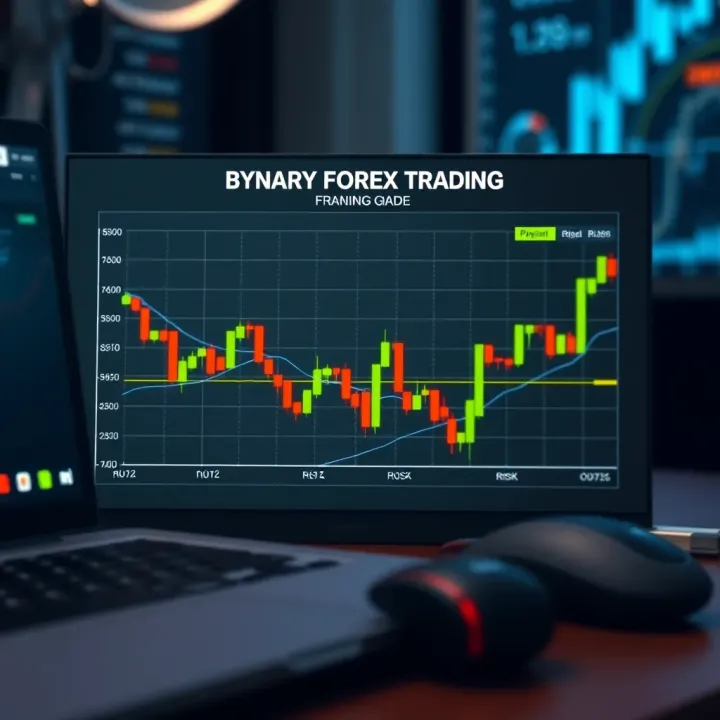
📉 Explore binary forex trading with clear insights on strategies, risks, regulations, and tips tailored for traders in Kenya. Trade smarter today!

🔍 Learn how Peer-to-Peer (P2P) trading lets Kenyans buy and sell direct, understand platforms, manage risks, and follow local rules for safer deals.
Based on 9 reviews