
Guide to Trading Online in Kenya
📈 Learn practical steps to trade online in Kenya safely using M-Pesa, bank options, and trusted platforms. Understand risks, regulations, and tips for success. 💻🇰🇪
Edited By
Charlotte Evans
Trading has become an accessible way for Kenyans to grow wealth beyond traditional savings or business ventures. Whether it’s forex, stocks listed on the Nairobi Securities Exchange (NSE), or commodities like gold and oil, the local market offers varied opportunities. However, successful trading is not about quick wins but learning the ropes, understanding risks, and applying sound strategies.
Before getting started, it's crucial to understand the types of trading available. Forex trading involves exchanging currency pairs like USD/KES or EUR/KES, depending on the market’s demand and supply. The NSE offers shares from companies such as Safaricom, Equity Bank, and East African Breweries, where investment options range from long-term value growth to short-term speculative trades. Commodities trading, although less common in Kenya, lets traders speculate on prices of goods like tea, coffee, or international goods like gold and oil.

Learning trading requires patience, discipline, and continuous education. Rushing into trades without knowledge often leads to losses.
Here are practical steps to guide your learning:
Build a solid foundation – Start with basic concepts like market orders, limit orders, stop-loss orders, and chart reading.
Choose the right trading platform – Kenyan traders often rely on locally regulated brokers offering platforms such as MetaTrader 4 or Safaricom's M-Pesa for payments. Ensure the platform is authorised by the Capital Markets Authority (CMA) for security.
Understand risk management – Never risk more than 1-2% of your capital on a single trade, use stop-loss orders, and avoid emotional decisions.
Practice with demo accounts – Most brokers offer a risk-free environment to test strategies before investing real money.
Stay updated with Kenyan and global economic news – Events like CBK interest rate changes, political developments, or global commodity price shifts affect markets.
Trading tools and technical analysis methods such as moving averages, RSI (Relative Strength Index), and candlestick patterns assist in making informed decisions. Combine these with fundamental analysis, which studies company performance or economic indicators.
This guide will deep dive into each of these components, tailored for the Kenyan trading environment. With the right approach, informed research, and cautious practice, you can build trading skills that aim to grow your funds sustainably.
Trading is not a sprint but a marathon. Taking practical steps now sets you up better to navigate market ups and downs in the future.
Grasping the basics of trading is fundamental before stepping into Kenya’s financial markets. Trading involves buying and selling financial instruments like currencies, stocks, or commodities with the goal of making profits from short-term price changes. Unlike long-term investing, trading requires active attention to market movements and sometimes quick decision-making. Understanding these core concepts will help you build a solid foundation and avoid common pitfalls.
Trading is essentially the act of exchanging assets or financial instruments with the intention of capitalising on fluctuations in their value. In Kenya, common types of trading include forex (foreign exchange), equities (stocks), and commodities. For example, forex trading involves swapping one currency for another—say, US dollars for Kenyan shillings—hoping to profit from changes in exchange rates. Another type is stock trading on the Nairobi Securities Exchange (NSE), where you buy and sell shares of companies like Safaricom or KCB Bank.
While trading aims for short-term gains through frequent transactions, investing generally focuses on long-term growth by holding assets for extended periods. Think of investing as planting a tree and watching it mature over years, whereas trading is like picking fruits quickly as they ripen. For instance, a Kenyan investor might buy Safaricom shares and hold them for dividends over several years, while a trader might buy and sell the same shares several times a week to capture price swings.
Kenya's forex market is quite accessible, with many local brokers offering platforms integrated with mobile money payments like M-Pesa. Forex trading involves currency pairs, such as USD/KES or EUR/USD, and traders profit from changes in exchange rates. Since forex trades 24 hours a day on weekdays, it offers flexibility for Kenyan traders who might need to work around other commitments. However, forex is volatile and requires careful analysis to manage risks.
The NSE hosts shares of many prominent Kenyan and East African companies. Trading stocks here allows participation in the growth of established businesses like Equity Bank, Kenya Airways, or Bamburi Cement. Stock trading usually involves buying shares through licensed brokers, with transactions settled electronically. Due to NSE’s regulations, investors have legal protections, but market liquidity and share price volatility can vary. Understanding company performance and market trends is essential for success.
Commodity trading in Kenya often focuses on agricultural products such as tea, coffee, maize, and oil seeds, plus energy products like crude oil or fuel. While most commodity trading is done through local produce boards or cooperatives, some traders participate in broader commodity markets online. For example, a farmer or trader might hedge against price drops by selling future contracts or trading commodity derivatives. This sector requires understanding supply-demand factors and seasonal effects typical in Kenyan agriculture.
Knowing these basics equips you with the essentials to navigate Kenya’s trading environment confidently. Whether you’re curious about quick forex moves, steady stock dividends, or hedging with commodities, understanding what each market entails lays the groundwork for smarter decisions.
Every trader in Kenya needs a solid foundation of skills and knowledge to navigate the ups and downs of the market successfully. Sharpening these skills helps manage risks, spot opportunities, and avoid common pitfalls. Whether you're dealing with forex, stocks on the Nairobi Securities Exchange (NSE), or commodities like tea and coffee futures, knowing what drives price movements and how to read the market is key.

Price charts are the trader's window into market behaviour, showing how asset prices move over time. Understanding different types of charts—like line, bar, and candlestick charts—helps you spot trends and reversal points. For instance, candlestick charts are popular because they show open, close, high, and low prices all in one bar, making it easier to identify potential bullish or bearish patterns. In Kenya, where NSE shares and forex pairs can be quite volatile, reading charts can give you a real edge in timing your trades.
Indicators such as moving averages, Relative Strength Index (RSI), and Bollinger Bands are tools that help confirm price trends or warn of possible reversals. Patterns like head and shoulders, double tops, or triangles help predict future price moves by revealing market psychology. Kenyan traders often rely on these to avoid jumping into trades blindly. For example, spotting a bullish engulfing pattern on a forex pair like USD/KES might signal a good buying opportunity.
Economic indicators—like Kenya’s inflation rate, Central Bank interest rates, or GDP growth—directly influence market movements. If inflation figures show prices rising, the Central Bank of Kenya might raise rates to control it, affecting the forex market and stocks. Following these indicators helps traders anticipate central bank moves or shifts in investor sentiment, essential when trading Kenyan securities or forex pairs.
Political events, government budgets, or international developments have swift effects on trading instruments. For example, a major policy announcement by the Kenyan government on subsidies for agriculture could impact commodity prices like tea or maize. Also, unexpected events—such as protests disrupting business in Nairobi—can cause sharp market reactions. Keeping an eye on local and global news helps traders act fast and protect their investments.
Stop-loss orders are tools that automatically sell your position if the price falls to a certain level, limiting your loss. In Kenya’s markets, where the NSE can swing due to political or economic news, using stop-loss orders prevents losing more than you can afford. For instance, if you buy Safaricom shares at KSh 30, setting a stop-loss at KSh 28 ensures you exit before losses deepen if the market dips.
Deciding how much to invest in a single trade and spreading your investments across different assets reduces overall risk. If a trader puts all savings into a single stock like KCB Group, they risk a big loss if that stock falls. Splitting funds across forex pairs, local stocks, and commodities can cushion shocks. For example, balancing investments in NSE shares alongside forex pairs like EUR/KES helps spread risk and improve chances for steady returns.
Proper skills and clear knowledge not only improve your chances of making profits but protect you from losing hard-earned money in unpredictable markets. Kenyan traders who invest time in learning these essentials usually weather storms better and trade with more confidence.
Selecting the right trading platform and tools forms the backbone of successful trading. In Kenya, where digital access varies widely, choosing a reliable platform can mean the difference between smooth trades and missed opportunities. A good platform offers intuitive navigation, fast execution of orders, and robust security—qualities you can't afford to overlook if you want to trade with confidence and protect your capital.
Before settling on a trading platform, focus on key features that impact your trading experience. These include low transaction costs, real-time market data, availability of various order types, and user-friendly interfaces. For example, a platform like MetaTrader 4 or 5 is popular among Kenyan forex traders for its charting tools and automated trading capabilities. Additionally, integration with reliable payment systems and strong customer support matter, especially in an environment where intermittent internet connectivity and financial security are common concerns.
Kenya’s market has seen growing activity from licensed local brokers like Sterling Securities, Nairobi Securities Exchange (NSE) members, and others. These brokers offer tailored services that understand Kenyan market rhythms and regulatory requirements better than international platforms might. For instance, some brokers provide access to NSE stocks and forex pairs while handling KSh-based deposits and withdrawals. Choosing a local broker often means easier communication and quicker resolution of issues, which is invaluable in fast-moving markets.
Mobile trading apps have transformed access to financial markets across Kenya. With the high mobile penetration, especially Safaricom’s extensive network, traders can monitor and place trades anywhere—from the matatu to the shamba. Mobile apps typically offer instant notifications, one-touch order execution, and seamless balance updates. These features make trading flexible and responsive, allowing you to react quickly to market changes even while on the go.
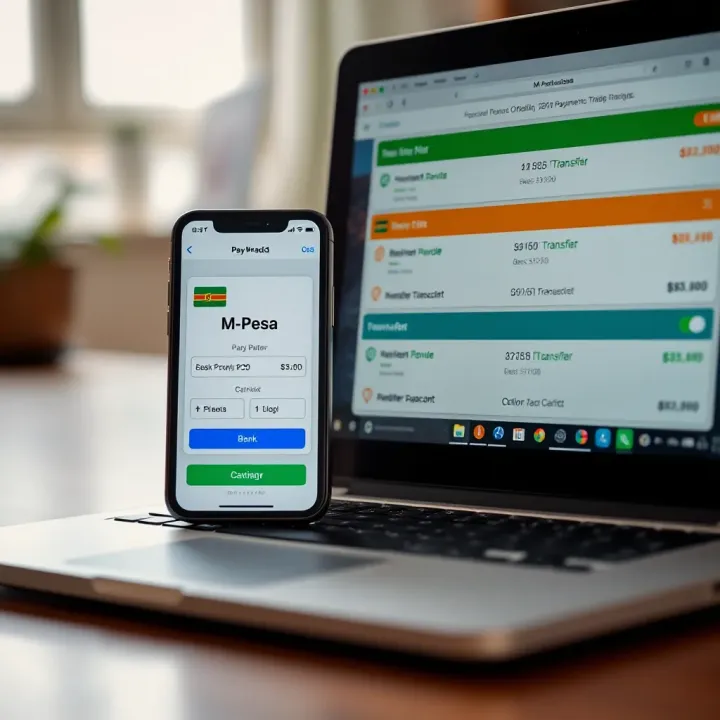
One major plus for Kenyan traders is the integration of M-Pesa, Safaricom's mobile money service, with many trading platforms. This integration simplifies funding accounts and withdrawing profits without needing a bank. You can transfer money directly from your M-Pesa wallet, making deposits fast and accessible, especially for traders outside Nairobi where banking infrastructure might be limited. Besides M-Pesa, some platforms accept payment via bank transfers or cards, but M-Pesa remains the preferred method for its convenience and ubiquity.
Choosing the right platform and tools tailored for Kenya’s trading environment can dramatically improve your trading workflow, reduce costs, and safeguard your funds. Always compare options based on what fits your trading style and local realities the best.
A solid trading plan guides your decisions and helps avoid reckless moves. Without it, trading can feel like guessing, especially in volatile markets like forex or stocks on the Nairobi Securities Exchange. A clear plan maps out your goals, risk limits, and tactics to keep emotions in check. This structure boosts your chances of consistent results rather than chasing quick wins.
Having clear profit targets and timelines gives your trading purpose and direction. For instance, aiming to grow your portfolio by 10% within six months is more practical than hoping to double your money overnight. This approach forces you to assess your risk tolerance and choose strategies suited to your timeframe.
Equally important is balancing short-term and long-term aims. While short-term goals might focus on daily or weekly gains through day trading, long-term objectives could involve holding stocks or commodities for several months. This balance helps you stay flexible, adjusting when the market shifts, and prevents overtrading or burning out too quickly.
Day trading involves opening and closing positions within the same day, capitalising on small price movements. It suits traders who can dedicate hours following markets during Nairobi’s trading hours. Swing trading, on the other hand, holds positions for days or weeks, targeting bigger moves with less constant monitoring. Both styles have pros and cons, so Kenyan traders should pick based on their time availability and temperament.
Trend following and breakout strategies work well with Kenyan markets that sometimes show clear momentum. Trend following means buying when prices are rising steadily and selling when the trend reverses. Breakout strategies target points where prices break above resistance or below support levels, signalling strong new moves. These methods help you ride the market waves rather than fighting them.
Many traders fall into psychological traps like fear, greed, or revenge trading. For example, after a losing trade, you might rush into another to recover losses quickly, often ending worse off. Recognising these patterns and sticking rigidly to your plan prevents costly mistakes.
Consistency depends on discipline: following your rules on when to enter or exit trades, managing risks, and not chasing unrealistic profits. Kenyan traders who maintain consistency build experience steadily and avoid wiping out accounts during volatile sessions. Remember, trading is a marathon, not a sprint.
A well-crafted trading strategy keeps emotions out and gives you the confidence to trade Kenyan markets smartly and patiently.
Access to reliable learning resources and support networks is fundamental for Kenyan traders aiming to navigate the financial markets confidently. These resources help bridge knowledge gaps and provide practical insights tailored to Kenya's unique trading environment.
Several institutions in Kenya offer trading courses, ranging from beginner to advanced levels. For instance, the Nairobi Securities Exchange (NSE) runs training programmes that cover both stocks and derivatives trading, offering practical workshops often held in Nairobi and Mombasa. These sessions are valuable since they not only explain trading concepts but also focus on local market mechanics and regulations.
Furthermore, organisations like the Kenya Institute of Capital Markets Training (KICMT) provide certificated courses in forex and commodities trading. Enrolling in such programmes helps traders understand market trends, risk management, and compliance, all tailored to Kenyan conditions. The hands-on approach at these centres often includes case studies relevant to East African markets.
Community groups and webinars also play a vital role. Trading clubs and investment groups in cities like Nairobi and Kisumu organise regular meet-ups and webinars that allow traders to share experiences and strategies. These forums encourage peer learning and offer the chance for networking with more experienced traders, helping newcomers avoid common pitfalls.
Additionally, during market events or economic shifts, webinars hosted by seasoned brokers or financial analysts provide timely updates and practical advice. Participating in these interactive sessions keeps traders informed about new rules or market changes that may affect their portfolios.
The internet is a treasure trove for Kenyan traders if you know where to look. Websites such as the NSE official site and CMA Kenya provide crucial market data, regulatory updates, and educational articles. Forums like Kenya Traders Forum and dedicated Facebook groups also offer platforms where local traders discuss strategies, share signals, and debate market movements relevant to the Kenyan shilling and regional economies.
Recommended books and video materials can deepen your understanding beyond basic concepts. Titles like “The Little Book of Common Sense Investing” or local authors' works on East African markets offer perspectives that align with Kenyan financial behaviour. YouTube channels focusing on forex and stock trading, some run by Kenyan professionals, provide step-by-step tutorials and market analysis presented in familiar terms.
Using demo accounts is an excellent strategy for beginners to practice without risking real money. Most brokers serving the Kenyan market, such as EGM Securities or FXPesa, offer simulated trading platforms. This allows traders to experiment with real market data to sharpen skills on order placement, chart analysis, and risk control.
Transitioning from demo to real accounts should be gradual. Start with small capital and use tools like stop-loss orders to limit potential losses. It helps to treat simulated experience as real trading, maintaining discipline and recording trades for review. Over time, this cautious approach builds confidence and familiarises you with the emotional side of trading that cannot be simulated.
Learning is ongoing in trading; combining local knowledge with practical experience through courses, community support, online resources, and demo trading lays a strong foundation for success in Kenyan markets.
📈 Learn practical steps to trade online in Kenya safely using M-Pesa, bank options, and trusted platforms. Understand risks, regulations, and tips for success. 💻🇰🇪

📈 Discover how CFD trading works in Kenya with this practical guide. Learn strategies, risk tips, and legal essentials to trade confidently and safely.

Explore derivative trading basics, risks, and benefits tailored for Kenyan investors 🇰🇪. Learn key regulations and practical tips to trade confidently 📈.

Explore cryptocurrency trading in Kenya with clear tips, local insights, key tools, and risk management strategies. Start trading smart today! 💹🇰🇪
Based on 6 reviews