

Cryptocurrency Trading Guide for Kenyan Investors
Explore cryptocurrency trading in Kenya with clear tips, local insights, key tools, and risk management strategies. Start trading smart today! 💹🇰🇪
Edited By
James Thornton
Cryptocurrency in Kenya is gaining more attention, but many traders and investors still have questions about its legal status, especially regarding platforms like Binance. Understanding these regulations is key before you jump into crypto trading or investing.
Binance is one of the world's leading cryptocurrency exchanges, popular for its wide range of coins and fast transaction speeds. However, Kenya currently lacks specific laws that directly govern crypto exchanges like Binance. The Central Bank of Kenya (CBK) has warned the public about the risks involved with cryptocurrencies, but it has not banned their use outright.

The Kenyan government has taken a cautious approach, urging users to be careful while trading, as the sector remains largely unregulated.
This means Binance is accessible to Kenyans, though not officially licensed or regulated locally. Users can still create accounts and trade on Binance, but do so at their own risk. It's essential to understand that if disputes or fraud arise, local authorities have limited powers to intervene effectively.
No formal protection: Unlike traditional banks or regulated brokers, Binance users are not covered by any consumer protection schemes under Kenyan law.
Regulatory uncertainty: As Kenya looks to develop crypto regulations, the landscape may change, possibly affecting Binance's operations.
Risk of scams and fraud: Without oversight, fraudulent schemes can proliferate, so users must be vigilant.
Verify the legitimacy of transactions and avoid deals outside the official platform.
Keep personal and financial information secure; use two-factor authentication (2FA).
Stay updated on alerts from Kenyan authorities such as the CBK and Capital Markets Authority (CMA).
Use small amounts for trading until you fully understand the platform and market behaviour.
In summary, while Binance is not illegal in Kenya, it operates without local regulatory approval or consumer protections. Kenyan users must weigh the benefits against the risks and stay informed about any upcoming changes to the country's cryptocurrency framework.
Cryptocurrency trading has steadily gained traction in Kenya, making it vital to understand the local landscape before engaging with platforms like Binance. This overview highlights the growth, appeal, and specific characteristics of digital currencies and exchanges in the Kenyan context, beneficial for traders, investors, and entrepreneurs looking to navigate this space effectively.
Kenya has seen a notable rise in digital currency transactions over recent years. Platforms such as Binance have become accessible to many, despite regulatory uncertainties. The Kenyan youth and tech-savvy population have increasingly adopted cryptocurrencies for remittances, investment, and business transactions. Exchanges have tailored their services to include payment integrations with popular local options like M-Pesa, facilitating easier deposits and withdrawals. For example, some Nairobi-based startups now accept bitcoin payments for goods and services, reflecting the growing appetite for crypto in daily commerce.
The expansion of mobile internet, along with smartphone affordability, has further boosted access to these digital currencies. While Binance may not be officially registered in Kenya, its accessibility and user base keep expanding due to these broader market trends and the convenience it offers.
Interest in cryptocurrency in Kenya goes beyond just trading; it has become a topic of discussion among informal groups and investment circles. Many Kenyans use crypto as a hedge against inflation and currency fluctuations, particularly during times when the shilling weakens. Peer-to-peer trading platforms have surged, connecting buyers and sellers directly without intermediaries.
Adoption is also influenced by youth-led digital communities sharing knowledge and building local networks. This grassroots involvement contributes to wider crypto literacy and keeps Binance relevant despite legal ambiguities.
While official endorsements are lacking, the practical benefits of cryptocurrency—such as speed, low transaction costs, and decentralisation—continue to drive adoption in Kenya's hustler economy.
Understanding these dynamics provides clearer context for why Binance has a significant footprint here, even as Kenyan authorities work on formalising crypto regulations. This foundation helps investors and business owners assess opportunities and risks more clearly when engaging with cryptocurrency trading platforms.
Kenya's regulatory framework for cryptocurrencies shapes how businesses and individuals interact with digital assets like Bitcoin and Ethereum. This framework matters because it defines what is allowed, what risks users face, and how authorities respond to new technologies. For anyone dealing with platforms like Binance, understanding this legal backdrop helps avoid unexpected troubles and ensures compliance with the law.
The Central Bank of Kenya (CBK) has taken a cautious stance towards cryptocurrencies. While it hasn't banned the use of crypto outright, CBK has consistently warned the public about the risks involved, including fraud, volatility, and the lack of consumer protection. For instance, in 2015 and subsequent statements, CBK clarified that cryptocurrencies are not legal tender in Kenya and that it does not regulate them directly. This means that digital currencies are not backed or issued by any government authority, limiting formal financial safeguards.
Despite this, CBK has been exploring digital currencies, especially in the context of central bank digital currency (CBDC) projects. This interest suggests a future where Kenya might adopt a regulated digital currency, but for now, crypto remains in a grey regulatory zone. Users and traders should approach crypto with caution and not assume the same protections as traditional banking.
The Capital Markets Authority (CMA) has also stepped into the conversation, focussing on how cryptocurrencies may intersect with securities laws. CMA warns that many crypto assets can resemble unregistered securities, and trading them without authorisation could breach the Capital Markets Act. For example, ICOs (initial coin offerings) selling Kenya-based crypto tokens need CMA approval to avoid running foul of investment rules.
Beyond CBK and CMA, the Directorate of Criminal Investigations and the Kenya Revenue Authority (KRA) also play parts in overseeing cryptocurrency matters. KRA, for instance, expects taxpayers to declare income or gains from crypto trading, with tax regulations adapting gradually. Meanwhile, law enforcement agencies advise vigilance against scams targeting crypto users.
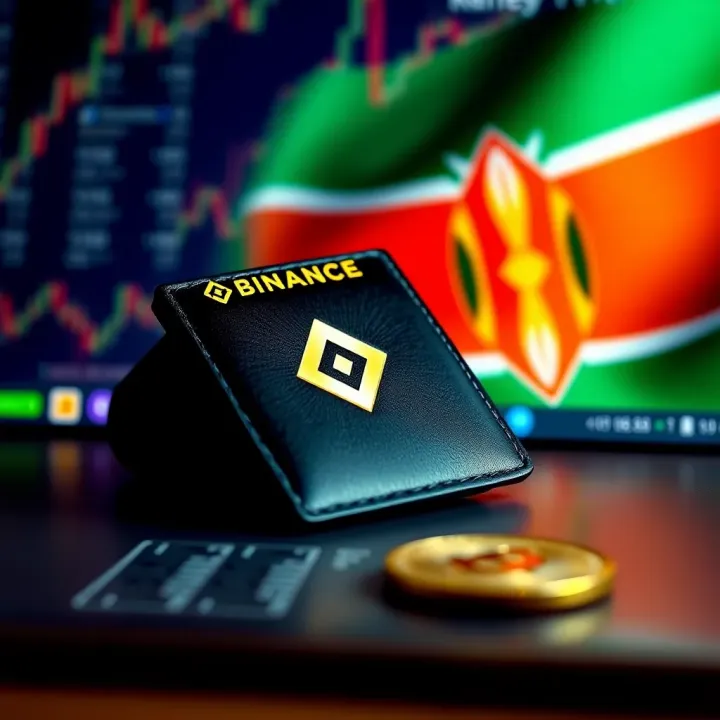
Kenya’s current laws don't explicitly regulate cryptocurrency exchanges, leaving many grey areas. However, several statutes indirectly impact crypto trading:
The Proceeds of Crime and Anti-Money Laundering Act (POCAMLA) requires financial institutions and related entities to report suspicious transactions, a rule increasingly extended to crypto activities.
The Computer Misuse and Cybercrimes Act addresses offences like hacking and fraud that crypto platforms might face.
The Capital Markets Act potentially covers crypto tokens considered investment products.
In practice, these laws mean exchanges like Binance operating in Kenya need to heed anti-money laundering (AML) and know-your-customer (KYC) requirements even if crypto itself isn't fully regulated. For traders, this implies mandatory verification steps before buying or selling cryptocurrencies.
While Kenyan regulators still appear cautious, the direction is clear: expect tighter controls and formal regulations soon. Staying informed and compliant is the best protection for anyone dealing with crypto in Kenya.
Understanding these regulatory details gives you a realistic view of what using Binance or similar platforms in Kenya entails. It’s not just about trading but navigating a complex set of rules that continue to evolve.
Understanding the current legal status of Binance in Kenya helps traders and investors navigate the often murky waters of cryptocurrency in a country without clear-cut regulations. It sheds light on what risks to expect, how accessible Binance is, and whether using it aligns with Kenyan law. This section breaks down Binance's footprint in Kenya, licensing concerns, and compliance with financial rules, giving you practical clarity on how to engage with the platform safely.
Binance is accessible to Kenyans through its website and mobile app, allowing users to trade cryptocurrencies such as Bitcoin, Ethereum, and local tokens. Although local currency (Kenyan Shilling) deposits are not directly supported on Binance, users commonly fund their accounts via bank transfers, M-Pesa through third-party platforms, or international cards. However, unlike traditional banks or regulated financial institutions, Binance operates without a physical office or direct local presence in Kenya.
This absence of a local hub means customer support and dispute resolution can be slower or less straightforward than with local financial service providers. For example, if a Kenyan trader faces withdrawal issues, they have to rely on Binance’s global support channels, which might not operate during local peak hours. This operational setup poses challenges but does not entirely prevent Kenyans from using Binance for crypto activities.
Currently, Binance is not licensed or registered by Kenya’s Capital Markets Authority (CMA) or Central Bank of Kenya (CBK) to operate officially within the country. The CMA regulates investment services, including exchanges dealing in securities or derivatives, and the CBK oversees currency transactions and payment systems.
In the absence of explicit licensing, Binance exists in a kind of legal grey area in Kenya—neither banned nor fully approved. For instance, the CBK issued public warnings cautioning users about the risks of cryptocurrencies and noted Binance’s lack of regulatory approval. This means Binance can offer its services, but it does so without the protective oversight Kenyan regulators provide to licensed financial firms.
This lack of registration affects user confidence and investor protections. If Binance were to face regulatory action overseas or security breaches, Kenyan users might struggle to seek restitution or legal assistance. It is a practical reminder to remain cautious and limit exposure to avoid significant losses.
Although Binance itself is not under direct Kenyan regulation, users still fall under Kenyan laws concerning anti-money laundering (AML) and taxation. Kenyan authorities expect citizens to declare crypto gains for tax purposes, and failure to comply may bring penalties.
Binance implements global Know Your Customer (KYC) procedures, requiring users to submit identification documents before trading. This aligns roughly with Kenyan AML expectations, albeit without direct regulatory enforcement locally. Kenyan traders should ensure their trading activity remains above board, following guidelines from bodies like the Kenya Revenue Authority (KRA).
While Binance does not hold a Kenyan licence, using it responsibly means adhering to local financial laws and understanding that protections under Kenyan law are limited.
In summary, Binance’s legal status in Kenya is unsettled but functional. It operates without local authorisation, meaning users carry the risk. Nonetheless, with proper caution, awareness of licensing gaps, and compliance with tax and AML rules, Kenyans can access Binance’s services while staying within the bounds of prevailing Kenyan financial regulations.
Trading on Binance in Kenya carries certain risks that every user must weigh carefully before diving in. These risks relate to security concerns, legal standing, and the inherent volatility of cryptocurrencies. Understanding them helps you make informed decisions and protect your funds.
Security remains a top concern when using Binance. Although the platform is one of the biggest globally, crypto exchanges remain prime targets for hackers. Kenyan users have to be particularly careful as fraudulent schemes impersonating Binance support or phishing scams have been reported locally. For example, scammers often trick users into giving away sensitive details or transferring funds to fake wallets. To avoid falling victim, always verify official communication channels and enable two-factor authentication on your account.
Kenya's legal stance on crypto exchanges like Binance is still evolving, and this uncertainty poses real risks for users. Currently, Binance is accessible but not officially licensed by Kenyan authorities such as the Central Bank of Kenya or the Capital Markets Authority. This means users might face challenges if disputes arise since legal protections are limited. Moreover, transactions with Binance may attract scrutiny from regulators, especially around compliance with anti-money laundering laws. It's wise to keep proper transaction records and be aware of tax obligations on profits from crypto trading.
Cryptocurrencies are notoriously volatile, and the Kenyan market is no exception. While Binance offers access to a broad range of digital assets, sudden price swings can lead to substantial losses within short periods. For instance, the price of bitcoin, a popular coin on Binance, can drop by 10-15% in a day due to global news or sentiment shifts. This volatility requires traders and investors to exercise caution, avoid over-leveraging, and only invest amounts they can afford to lose.
"The crypto space in Kenya is full of opportunities, but it also demands careful attention to risk management and legal compliance."
To sum up, while Binance provides convenient access to cryptocurrencies, Kenyan users need to be aware of security threats, unclear regulatory protection, and the highly unpredictable nature of crypto markets. Proper precautions and staying informed can help you navigate these challenges more safely.
Trading cryptocurrencies on Binance in Kenya comes with unique risks and opportunities, so knowing how to protect your assets and personal data is essential. This section focuses on practical steps to keep your Binance account secure, meet KYC (Know Your Customer) requirements, and choose reliable payment methods like M-Pesa. Safe trading isn’t just about avoiding losses — it also helps you navigate Kenya’s crypto regulations responsibly.
Protecting your Binance account starts with a strong password. Use a mix of upper and lower case letters, numbers, and symbols. Avoid common passwords or anything easy to guess, like birthdates or names. Activate Two-Factor Authentication (2FA), preferably through an authenticator app rather than SMS, because the latter can be vulnerable to SIM swapping.
Beware of phishing attempts. Scammers often send fake emails or messages pretending to be Binance, asking for login details. Always double-check the URL and never share your account passwords or private keys.
Keep your devices updated and install reliable antivirus software. Remember, many Kenyans access Binance on phones, so securing mobile devices is just as important as using strong passwords. Regularly review your account activity to spot any suspicious logins early.
Binance follows strict KYC rules to comply with financial regulations worldwide. In Kenya, completing KYC helps you lift withdrawal limits and access more features securely. Expect to provide an official ID such as your national ID, passport, or driver’s licence, plus a selfie for verification.
The KYC process may also require proof of address, like a recent utility bill or bank statement. These rules help Binance prevent fraud and comply with the regulators like the Capital Markets Authority (CMA) and Kenya Revenue Authority (KRA). While it may feel intrusive, following KYC standards protects you and the platform from illegal activities.
Remember, only submit your documents through Binance’s official app or website. Avoid sharing verification details on social media or untrusted platforms.
M-Pesa remains the most common method for Kenyans to deposit and withdraw funds on Binance. It offers convenience, speed, and widespread acceptance. To use M-Pesa with Binance, link your mobile number securely through Binance’s payment interface and follow the instructions for deposits or withdrawals.
Besides M-Pesa, Binance also supports bank transfers and card payments, but in Kenya, M-Pesa's ease makes it the preferred option. On the flip side, consider transaction fees and exchange rates - these can affect your overall profitability.
Always confirm payment details carefully before sending money. Mistakes in mobile numbers, especially with M-Pesa, can lead to lost funds that are hard to recover.
Security and compliance are your best friends when trading fiat and cryptocurrencies on Binance in Kenya. Taking the right precautions reduces risk and positions you to trade confidently within Kenya’s regulatory environment.
Understanding what the future holds for cryptocurrency and Binance in Kenya is essential for traders, investors, and entrepreneurs planning their next moves. Kenya's financial ecosystem is evolving, and the regulatory landscape around cryptocurrencies like those traded on Binance is expected to shift, influencing market opportunities and risks.
Kenyan authorities, including the Central Bank of Kenya (CBK) and the Capital Markets Authority (CMA), are signalling that they will introduce clearer regulations on cryptocurrency usage and exchanges. While the current stance leans towards caution, draft policies suggest the government aims to regulate rather than ban digital currencies. For instance, the upcoming Digital Economy Bill, expected to be debated in Parliament, may provide frameworks for licensing crypto exchanges and protecting consumers. This regulatory development could mean Binance and other exchanges will need to apply for formal approval, ensuring compliance with Kenyan financial laws, including anti-money laundering (AML) controls.
Such changes will help weed out dishonest operators and reduce fraud risks, making it safer for Kenyans to trade. However, users should stay alert, as regulatory requirements might come with stricter Know Your Customer (KYC) procedures and limits on transactions to align with international standards.
Kenya’s growing tech scene and youthful population keep sparking interest in crypto trading platforms like Binance. More Kenyans are looking beyond traditional banking and seeking alternative investment avenues. With rising smartphone penetration and M-Pesa’s widespread availability, entry barriers to crypto trading are lower than ever.
Binance’s efforts to localise services, such as accepting payments through M-Pesa and KCB, are key to its growing user base. This local payment integration helps Kenyans move funds seamlessly between their bank accounts, mobile wallets, and Binance accounts. Investors are becoming increasingly aware of the potential gains in cryptocurrencies alongside traditional assets like stocks on the Nairobi Securities Exchange (NSE).
In addition, many start-ups and SMEs are exploring blockchain applications beyond trading, such as supply chain transparency and digital payments, signalling greater ecosystem maturity. As awareness increases, the market size will likely expand, attracting foreign investments which could boost liquidity and innovation.
Traders and investors should regularly monitor updates from CBK and CMA and prepare to adapt trading strategies once new laws take effect.
In summary, the future of cryptocurrency and Binance in Kenya is tied closely to regulatory clarity and market growth. Staying informed, following compliance, and leveraging local payment options will benefit those venturing into this fast-moving space.
Explore cryptocurrency trading in Kenya with clear tips, local insights, key tools, and risk management strategies. Start trading smart today! 💹🇰🇪
Explore how cryptocurrency trading platforms work in Kenya 🇰🇪, learn fees, security tips 🔒, crypto options, and regulatory insights for smart investing 💹.

🔑 Learn how Kenyan users can quickly register, log in, and secure their OlympTrade account for effective online trading. Tips on fixing login issues included! 🇰🇪📈
Learn how to sign in to Deriv from Kenya with easy steps, troubleshooting tips, and security advice. Start trading smoothly today! 🔐📱🌍
Based on 13 reviews