

Understanding DB Traders in Kenya: A Clear Guide
Explore who DB traders are, their strategies, tools, and challenges in Kenya and beyond 📈. Learn practical tips to start your trading journey today.
Edited By
Amelia Foster
Trading in Kenya forms a backbone of the country's economy, ranging from small-scale hawkers at bustling roadside kiosks to large-scale importers and exporters. Traders act as the connecting link between producers and consumers, facilitating the flow of goods and services across cities, towns, and rural areas.
Kenyan traders typically operate in diverse sectors such as agriculture, retail, wholesale, manufacturing inputs, and digital services. For instance, many traders source maize or sukuma wiki from local shambas in Central Kenya, then sell them in Nairobi markets like Gikomba or Wakulima. Others focus on importing electronics or textiles from Mombasa’s port to supply shops in Kisumu or Eldoret.
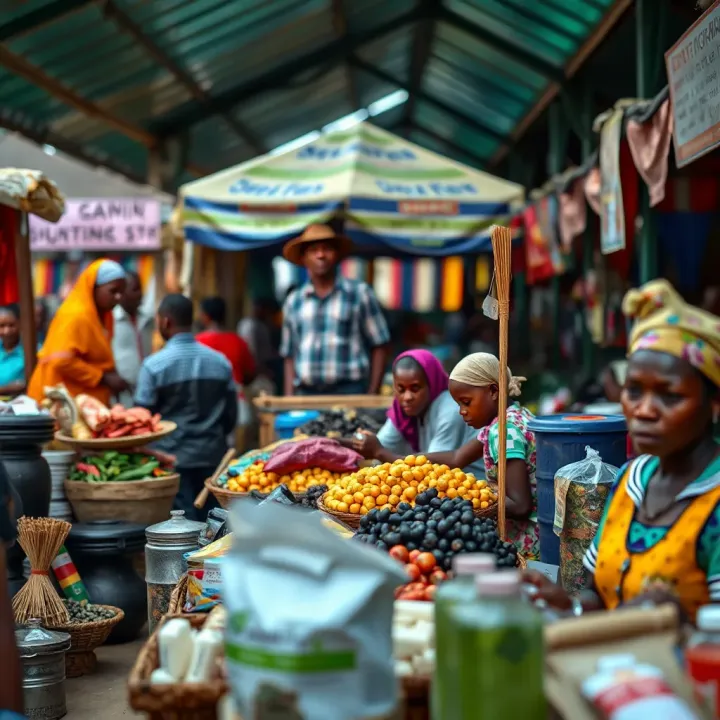
Success as a trader in Kenya requires a blend of practical skills: strong negotiation tactics, understanding local market demands, and financial discipline to manage small but often fluctuating cash flows. Traders also need to know how to navigate Kenya Revenue Authority (KRA) compliance, acquire necessary licences, and keep accurate records to avoid fines and disruptions.
Operating within Kenya’s trading environment demands flexibility, especially given challenges such as unpredictable weather affecting harvests, fluctuating foreign exchange rates, and varying county-level regulations.
Moreover, access to capital remains a major hurdle for many traders, particularly those outside Nairobi, limiting their ability to expand inventories or adopt new technologies. Despite this, the rise of mobile payment platforms like M-Pesa and mobile-based lending (e.g., Fuliza) has made managing transactions easier and more secure.
Understanding the role of traders in Kenya involves recognising their adaptability amid structural hurdles and appreciating the critical role they play in price discovery, job creation, and economic circulation. This article will further explore these aspects, offering practical insights and evidence-based advice for aspiring and established traders alike.
A trader in Kenya is anyone who buys and sells goods or services to make a profit. Understanding this role is vital because traders fuel the economy by connecting producers—such as farmers or manufacturers—with consumers. They keep goods moving, from fresh vegetables in Nairobi’s Gikomba market to electronics sold in Nakumatt or online platforms. Traders do more than exchange goods; they create jobs and foster entrepreneurship across various counties.
Traders contribute significantly to economic activity by providing access to essential products and services even in remote areas, helping maintain a steady flow of commodities throughout the country.
Being a trader goes beyond just buying and selling. It involves managing several aspects such as sourcing quality products, setting competitive prices, and ensuring timely delivery to customers. Traders often juggle relationships with suppliers, customers, and sometimes regulators. For example, a trader in Kisumu dealing with fresh fish must coordinate with fishing communities, organise transport to market, and guarantee freshness to satisfy buyers. They also keep track of market trends, adjust stock according to demand, and handle cashflows carefully to stay afloat, especially when markets fluctuate.
Kenya’s trading landscape hosts a variety of traders, each with distinct roles:
Retail Traders: These operate small shops (dukas) or kiosks selling everyday items like groceries and toiletries. They are common in towns and estates.
Wholesale Traders: They buy goods in bulk from manufacturers or importers and sell to retailers. For instance, traders importing electronics from China to supply Nairobi shops.
Mobile Traders: Individuals who sell goods by moving around, such as hawkers in city centres or boda boda operators acting as delivery agents.
Online Traders: Using platforms like Jumia Kenya or local Facebook marketplaces to reach wider customers without physical stores.
Specialised Traders: Dealing in specific goods such as agricultural produce, construction materials, or pharmaceuticals with deeper expertise in their sectors.
Each type plays a unique part in meeting consumer needs, keeping supply chains operational, and shaping Kenya’s market economy. Understanding these roles helps traders position themselves effectively and adapt to market demands.
Successful trading in Kenya requires more than just buying and selling goods. Traders need a blend of practical skills and personal qualities that help them navigate the dynamic and sometimes unpredictable market. Without these skills, even the best products can fail to find customers.
Traders must be good at managing their finances. Keeping track of daily sales, expenses, and profits helps avoid unnecessary losses. For example, a small kiosk owner in Nairobi might lose money if they do not monitor stock movement, leading to overstocking or spoilage, especially with perishables like vegetables or milk.
Besides financial management, negotiation skills matter a lot. Traders often deal directly with suppliers and customers. For instance, a wholesaler negotiating better rates with a supplier can reduce costs and raise profit margins. Similarly, being able to negotiate fair prices with customers without losing sales is a must-have skill.

Marketing also plays a key role. Traders who understand how to promote their products, whether through word of mouth, social media, or simply arranging their shop attractively, gain an edge. One trader in Mombasa used social media groups to advertise fresh fish soon after arriving at the market, improving both sales and customer loyalty.
Knowing what customers want and adjusting stock accordingly helps traders stay relevant. For example, during the hot months, soft drinks and bottled water fly off shelves more than sodas. A savvy trader in Kisumu switched focus to these products during the season, boosting daily sales without extra advertising.
Kenyan markets often see changing tastes influenced by factors like the rainy season or cultural festivals. During festive months such as December, demand for nyama choma (grilled meat) supplies spikes. A trader anticipating this can stock more charcoal, meat cuts, and soft drinks, taking advantage of seasonal trends.
Moreover, understanding competitors’ prices and offers is vital. A trader who notices a price drop on maize flour in a nearby market can adjust their pricing or bundle products to keep customers from moving away. This awareness requires constant observation and quick decision-making.
Traders who combine sound business skills with a keen eye on customer habits and market shifts stand a better chance of growing their business sustainably in Kenya's vibrant trading environment.
Ultimately, the right skills and qualities help traders turn small opportunities into steady income, proving that trading is both an art and a disciplined business endeavour in Kenya.
Traders in Kenya must navigate a set of regulatory and legal requirements designed to keep business operations legitimate and sustainable. Understanding these rules is essential, as compliance not only avoids penalties but also builds trust with customers and suppliers alike. This section covers the core licences and permits traders need, alongside their tax responsibilities to the Kenya Revenue Authority (KRA).
Starting a trading business requires obtaining specific licences and permits, depending on the nature of the goods or services offered. For most traders selling physical products, a Single Business Permit from the county government is compulsory. For example, a trader with a kiosk in Nairobi must get this permit from Nairobi City County before legally operating.
Certain types of trading activities demand additional permits. Food vendors need a Food Handling Certificate and must comply with health standards from the Public Health Office. Traders dealing with controlled products like pharmaceuticals or firearms require specialised licences issued by national regulatory bodies such as the Pharmacy and Poisons Board or the National Police Service, respectively. Securing these permits ensures traders meet safety and quality requirements, protecting consumers and their business reputation.
Failure to acquire the right licences can lead to fines, business closure, or even legal action. Hence, traders should check with local county offices and relevant national agencies to ensure all paperwork is in place before opening shop.
Tax compliance forms a critical part of trading operations in Kenya. Every trader must register for a Personal Identification Number (PIN) with the Kenya Revenue Authority (KRA). This number is necessary to file taxes, open bank accounts in business names, and transact via M-Pesa business paybill accounts.
Depending on yearly turnover, traders fall into different tax brackets. Small traders with turnover below KSh 5 million annually can opt for the Presumptive Tax regime, paying a flat rate based on business type and location. Larger traders must register for VAT if their turnover exceeds KSh 5 million, meaning they charge VAT on sales and reclaim VAT on purchases.
KRA requires regular filing of returns — monthly or quarterly — covering Income Tax and VAT where applicable. Non-compliance, like late submissions or failure to remit collected taxes, attracts interest penalties and audits. Traders often use iTax, KRA's online platform, for convenience in filing and payment.
Staying up to date with licences and tax laws helps traders avoid disruptions and builds credibility with financial institutions, suppliers, and customers.
In summary, understanding local regulatory procedures and KRA obligations helps traders comply smoothly. This knowledge protects their investments, supports stable operations, and, ultimately, provides a foundation for growth in Kenya's competitive market.
Traders in Kenya often operate in a dynamic environment filled with uncertainties that test their resilience and adaptability. Understanding and addressing these challenges is vital for sustaining business and growing profit margins. Two of the most pressing issues are handling competition alongside price fluctuations, and managing supply chain and logistics hurdles.
Competition in Kenya’s markets can be intense, especially in busy urban centres like Nairobi or Mombasa where multiple traders sell similar products. Many traders find themselves squeezed on price, which directly impacts profits. For example, a retailer selling ugali flour may face stiff competition from several neighbourhood shops, making it tough to maintain standard prices.
To stay afloat, traders need to develop pricing strategies that are flexible yet profitable. This could mean buying in bulk from wholesalers to reduce costs or diversifying product offerings to target different customer segments. Monitoring competitor prices regularly and adjusting own prices without compromising quality helps retain customers. In addition, keeping an eye on market trends—such as fluctuations in maize prices due to seasonal harvest cycles—prepares traders to anticipate and react to price swings.
Quick decision-making and customer loyalty programmes are practical ways to respond to both competition and price instability.
Supply chain challenges remain a major headache. Infrastructure constraints, unpredictable transport costs, and occasional delays can disrupt stock availability. For trader dealing in perishables such as fruits or fish in Kisumu, any delay can mean significant losses.
One way to overcome this is by establishing good relationships with reliable suppliers and transport providers who can guarantee timely delivery. Some traders collaborate with local boda boda riders for last-mile delivery, which is both cost-effective and faster in congested areas. Another tactic is keeping safety stock to cushion against unexpected supply shocks, although this ties up working capital.
Moreover, embracing technology can reduce some logistical challenges. For instance, using WhatsApp or SMS to confirm orders and delivery schedules helps minimise wastage of time and fuel. Mobile money platforms like M-Pesa allow prompt payments to suppliers, ensuring smooth cycles.
Ultimately, traders who prioritise communication and build efficient networks along the supply chain stand a better chance of delivering goods on time and keeping customers satisfied.
Adapting to these business realities requires persistence and sharp judgement. Traders who learn to manage competition cleverly and sort out supply chain wrangles position themselves well for success in Kenya’s vibrant markets.
Technology, especially mobile payments, has dramatically changed how trading works in Kenya. Technology has made it easier and faster for traders to receive payments, manage inventory, and reach customers beyond their local markets. This shift not only improves efficiency but also opens up new opportunities for growth.
M-Pesa stands out as the backbone of Kenya’s mobile payment ecosystem, widely used across urban and rural areas. Traders use M-Pesa to accept payments instantly, avoid cash handling risks, and keep clear transaction records. For example, a duka owner in Nairobi can receive payments from customers using a Till Number, reducing the chance of mistakes in cash counting. Also, digital platforms like M-TIBA help traders in healthcare-related businesses to access funding and conduct transactions securely.
By integrating mobile payments with accounting apps like Wave or Zoho Books, traders can track sales and manage expenses more accurately. This simplifies tax calculations for Kenya Revenue Authority (KRA) compliance. Additionally, digital savings and credit services connected to M-Pesa, such as M-Shwari and Tala, provide traders with flexible financing options to stock up or expand.
Online marketplaces like Jumia, Kilimall, and local Facebook Marketplace pages have changed the face of trading by providing a platform for sellers to reach customers nationwide without physical shops. A skilling centre selling handmade crafts in Kisumu, for instance, can now get orders from Mombasa or Eldoret through these platforms.
These marketplaces usually provide payment integration through M-Pesa or card payments, ensuring smooth and trustworthy transactions. Plus, with delivery services becoming more reliable, traders can afford to sell in bulk or far from their base without worrying about transportation.
However, online trading requires understanding digital marketing, customer service, and quick order fulfilment, which can be new challenges for some traders. Still, the benefits often outweigh the difficulties, making this a growing trend.
Mobile money and online marketplaces have not just improved convenience; they've expanded sales horizons, reduced cash-related risks, and empowered small-scale traders to compete more fairly.
In all, technology and mobile payments have become a vital part of modern trading in Kenya, helping traders to run smoother operations and tap into a bigger market without heavy costs on infrastructure.
Explore who DB traders are, their strategies, tools, and challenges in Kenya and beyond 📈. Learn practical tips to start your trading journey today.

Explore Deriv.com’s features, account types, and platform options designed for Kenyan traders 📊. Get practical insights to trade smarter and safer in Kenya 🇰🇪.

🔐 Learn how Kenyan traders can securely navigate Deriv X login, set up accounts, troubleshoot issues & trade efficiently with expert tips.

Explore how Deriv bots work in Kenya 🇰🇪, their benefits, risks, setup tips, trading strategies, and legal points for safer automated trading 🤖📈.
Based on 15 reviews