
Understanding Deriv Trading in Kenya
Explore Deriv trading in Kenya 📈 - learn how to trade forex, commodities & indices safely, master strategies, manage risks, and make smart investment choices.
Edited By
Michael Foster
Trading signals serve as important guides to investors and traders by highlighting chances to enter or exit the market. Whether you are trading stocks on the Nairobi Securities Exchange (NSE), dealing with forex pairs, or speculating with commodities, understanding these signals improves your chance of making profitable decisions.
A trading signal is simply an alert or indication that suggests a potential move in the price of a financial asset. These signals come from analysing patterns, market data, or algorithmic calculations. For example, in Kenya’s forex scene, a popular signal might be a sudden shift in the USD/KES pair linked to economic news or Central Bank of Kenya (CBK) announcements.
Signals can be generated manually by expert traders, or automatically through trading software and apps. What matters is their ability to predict price movements with some degree of reliability — but remember, no signal guarantees success. Knowing how to read and evaluate these alerts is key to avoiding costly mistakes.
Successful trading relies not just on spotting signals but on understanding the context and combining different types for confirmation.
Technical Signals: These are based on chart patterns, price trends, volume, and indicators such as moving averages or RSI (Relative Strength Index). For instance, a rising moving average crossover in Safaricom’s stock might signal a buying opportunity.
Fundamental Signals: These depend on economic reports, corporate earnings, political events, or policy changes. If the CBK raises interest rates, it might send a strong signal to consider currency strength.
Sentiment Signals: Derived from market mood or trader behaviour, such as a surge in buying volumes or social media trends around a stock.
To apply trading signals effectively:
Combine signals – don’t rely on one signal alone; confirm with others for better accuracy.
Use risk management – set stop-loss orders, especially when signals are mixed or unclear.
Stay updated – market conditions in Kenya can shift rapidly due to political developments, weather affecting agriculture exports, or global shocks.
In summary, recognising trading signals helps sharpen your market insight and timing. By learning to identify credible signals and using them alongside sound strategy, you can protect your KSh investments and better navigate Kenya’s dynamic markets.
Trading signals serve as pointers to potential buying or selling opportunities in various markets like stocks, forex, or commodities. They help traders and investors identify the right moments to enter or exit trades, often simplifying decision-making in a busy market environment. Understanding how these signals work can boost your confidence and improve your trading results, especially when combined with personal analysis.
A trading signal is essentially a prompt or indicator suggesting a specific action, such as buying or selling an asset, based on market data. For example, if a particular stock’s price crosses above a moving average, a signal may suggest it’s time to buy, anticipating the price will continue rising. These signals are valuable because they distil complex data into actionable insights, allowing traders to react quickly to market shifts.
Signals provide guidance on when to enter or exit a trade to maximise profits and limit losses. An entry signal might be triggered by a breakout from a resistance level, suggesting the price could climb further. Conversely, an exit signal may arise when momentum slows down or a key support price is broken, warning traders to sell before losses deepen. For instance, if a forex pair drops below its 50-day average, it might signal an exit point.
Many experienced traders generate signals by analysing charts and market trends themselves. They look for patterns such as head and shoulders, support and resistance levels, or volume changes that historically predict price movements. This manual approach gives traders control and a deeper understanding but requires time and skill. For example, a Kenyan trader watching NSE stocks might identify when Safaricom shares form a consolidation pattern before a surge.
Software tools use algorithms to scan markets and generate signals automatically. These programs can process large amounts of data quickly, providing alerts without emotional bias. However, they depend on the quality of the algorithm and past data for accuracy. Platforms like MetaTrader or TradingView offer automated signals that Kenyan traders can subscribe to, especially useful for those juggling multiple markets.
Today, many traders rely on social platforms to follow signals from experts or communities. Third-party providers offer subscription-based signals, which often come with analysis or trade recommendations. While this can save time, it carries risks if the provider’s track record isn’t transparent. A practical approach is to cross-check such signals against your analysis or credible local market data before acting, especially because Kenyan market dynamics can differ from global trends.
Remember, no trading signal guarantees profit—combining signals with your own research helps you trade smarter and safer.
Understanding the different types of trading signals is essential for any trader aiming to make informed decisions. Each type offers unique insights and tools, helping traders navigate markets more efficiently. By recognising common trading signals, you can tailor your strategy to suit your style and market conditions, boosting your chances of success.
Trend-based signals are among the most widely used technical indicators. They focus on identifying the general direction of the market price over time—whether it’s moving up, down, or sideways. For example, moving average crossovers signal when a short-term moving average crosses above or below a long-term average, suggesting a potential buy or sell opportunity. In practical terms, traders in the NSE can apply this to track stocks like Safaricom, spotting when an upward trend is gaining strength before entering a position.
Momentum indicators measure the speed or strength of price movements. These include tools like the Relative Strength Index (RSI) and the Moving Average Convergence Divergence (MACD). Momentum signals help traders identify overbought or oversold conditions, which could indicate an upcoming reversal. For instance, if the RSI for a stock like KCB Group reaches above 70, it might be a sign the stock is overbought and due for a pullback. This helps traders time their entry and exit more precisely.
Chart pattern signals rely on recognising specific formations on price charts that have historically preceded certain market movements. Patterns such as head and shoulders, triangles, or double bottoms provide clues on potential breakouts or reversals. Kenyan traders can study these formations on shares listed at NSE to anticipate price action, especially during volatile periods. For example, spotting a bull flag on Bamburi Cement's chart might signal a continuation of upward momentum following a brief consolidation.
Earnings reports and news impact are critical fundamental signals that reflect a company's financial health and market environment. Quarterly earnings releases for firms like Equity Bank or Bidco Kenya often trigger significant price moves. Positive profit announcements usually attract buyers, while disappointing results can lead to sell-offs. Beyond earnings, broader news like policy changes or infrastructure projects affect market sentiment and stock valuations directly.
Market sentiment and investor behaviour signals gauge the general mood of traders and investors. Sentiment tools could include surveys, volume spikes, or social media buzz that reflect optimism or fear in the market. In Kenya, the mood around election periods or economic reforms can influence investor confidence dramatically. Recognising when the market leans towards fear or greed helps you avoid emotional decisions and stick to rational trading strategies.
Combining both technical and fundamental signals often offers a clearer picture of market direction and risk, helping you avoid blind spots in your trading.
Understanding these common trading signals and applying them with care can help improve the timing of your trades and the management of your risks in the Kenyan market.
Before acting on any trading signal, it’s vital to assess its reliability and fit for your strategy. Jumping in without proper evaluation can lead to avoidable losses, especially in dynamic markets like Nairobi Securities Exchange (NSE). Assessing signals not only helps you avoid fake or poor-quality advice but also sharpens your trading decisions through informed judgment.
Backtesting signals with historical data helps determine if a trading signal truly works. Simply put, backtesting involves running your signal against past market data to see how it would have performed. For instance, if a signal suggests buying a stock when its moving average crosses above a certain point, checking this against NSE performance data over the last year can reveal its success rate.
This method shows the signal’s potential strengths and weaknesses in different market conditions. That said, past results aren’t a guarantee for the future but serve as a useful guide for identifying robust signals worth trusting.
Signal provider reputation and track record also matter a lot. Kenyan traders should look for providers with transparent results and clear trading histories. For example, providers who openly share verified performance through platforms or who have established reputations in forums and social media tend to be more trustworthy.
Avoid signal services promising unrealistic returns or unclear methods. Instead, choose those with consistent performance over months and a decent record of managing risks during volatile periods like election cycles or currency fluctuations.
Cross-checking with multiple indicators increases confidence in a trade decision. Relying on one signal alone can be risky since no indicator is foolproof. If a buy signal comes from a moving average crossover, check other indicators like Relative Strength Index (RSI) or volume trends alongside it.
This approach helps filter out false signals. For example, if the signal suggests buying Safaricom shares but the RSI shows overbought conditions, it might be wise to wait. Multiple confirming signals reduce chances of losses.
Considering market context and events is key to smart trading. Signals don’t work in a vacuum; they respond to the ongoing economic and political climate. Taking the Kenyan example, an upcoming policy announcement from Central Bank of Kenya (CBK) or unexpected political news can invalidate previously reliable signals.
Integrating knowledge of such events prevents blind relying on signals. If inflation reports are due or county-level budgets are discussed, understanding how these factors may stir NSE stocks helps traders act more wisely.
Evaluating signals carefully before acting sharpens trade decisions and guards against losses caused by fake or mistimed advice.
Through adopting these practices, you better position yourself to use trading signals effectively while navigating Kenya’s unique market challenges.
Using trading signals effectively means more than just following every alert blindly. It’s about integrating these signals into your overall trading plan, adapting them to your style and goals, and managing risks properly. This approach helps you avoid costly mistakes and take advantage of real market opportunities.
Trading signals can work differently depending on the timeframe you use. For example, a signal that suggests buying on a five-minute chart may not hold for daily or weekly charts. Scalpers who trade frequently might trust short-term signals to enter and exit quickly, while long-term investors might focus on weekly or monthly signals that reflect bigger trends.
Kenyan traders who juggle investments on the Nairobi Securities Exchange (NSE) should consider matching signals to their preferred trading timeframe. If you check the market every day after trading hours, daily signals showing trend reversals or breakouts align better than minute-by-minute alerts. This way, you avoid chasing every market twitch and make meaningful moves based on solid signal confirmation.
Every trading signal carries some risk, so pairing signals with risk management is essential. For instance, setting stop-loss orders according to signal strength can protect you from unexpected market reversals. If a signal tells you to buy Safaricom shares but you set your stop loss 5% below the entry price, you limit losses if the price suddenly drops.
Risk management also means sizing your trades reasonably relative to your overall portfolio. Don’t let one signal tempt you to put all your funds into a single trade. Instead, diversify and use signals as just one factor in deciding how much capital to commit. Combining signals with good money management keeps you in the game longer.
Many modern trading platforms offer integrated signals and alerts, which makes staying updated easier. Platforms like MetaTrader and ThinkOrSwim have tools that automatically generate signals based on technical indicators or price movements. They often allow you to customise alerts so you only get notified of signals relevant to your chosen instruments or strategies.
In Kenya, some brokers provide their own apps or online platforms with built-in signal services. Using these can save you the hassle of switching between apps or multiple services. Your signal alerts come straight from the place you trade, helping you react faster without missing crucial moments.
Mobile applications play a big role in signal delivery today. Traders can get push notifications instantly on their smartphones when a new signal appears. This flexibility means you can respond on the matatu or at a nyama choma joint without needing to be at your computer.
Apps like MetaTrader mobile, TradingView, and even broker-specific apps allow for quick filtering of signal types. You can set alerts for only RSI oversold levels, moving average crossovers, or price breakouts — whichever suits your trading style. The key is to avoid information overload by customising alerts carefully.
For traders who prefer simplicity and reliable access, SMS and email signal subscriptions remain a solid option. Many Kenyan traders especially those in areas with limited internet, find SMS signals convenient because they work on basic phones.
Subscribing to reputable providers ensures you get timely trade ideas and alerts directly to your inbox or phone. Email alerts often come with detailed analysis which helps you understand the reasoning behind a signal. However, always verify the credibility of the provider to avoid scams and false hopes.
To use trading signals well, always blend them with your knowledge and risk control. Tools and alerts are simply aids, not magic pointers to guaranteed profits.
Trading signals can guide traders in making informed decisions, but they come with challenges that require careful attention. Understanding these risks helps traders avoid costly mistakes and strengthen their strategies.
False or delayed signals are common issues that can mislead traders. A signal might indicate a good entry point, but by the time a trader acts on it, the market can have already moved the other way. For example, if a signal from a trading app arrives late due to internet delays or technical glitches, the trader may enter a trade too late, resulting in losses instead of gains. This is particularly risky in fast-moving markets like forex or NSE equities, where prices can change within seconds.
Traders should be cautious about blindly trusting signals without verifying timing and relevance. It’s wise to check multiple timeframes or use alerts from reputed platforms known for real-time updates, such as Safaricom’s M-Pesa notification services or official NSE feeds.
Over-reliance without personal judgement poses another challenge. Relying solely on signals can turn trading into guesswork if the trader ignores market context or fundamental factors. For instance, a buy signal might appear on a technical indicator, but if there’s ongoing political unrest or a major economic announcement in Kenya, the signal’s reliability can drop sharply.
Experienced traders blend signals with their own research, considering local news, macroeconomic conditions, and market sentiment. This balance helps avoid traps where automated signals cannot account for sudden market shifts or complex developments.
Red flags to watch out for in signal providers include promises of guaranteed profits, unusually high success rates without evidence, and pressure tactics to pay upfront fees. Some scams target Kenyan traders by offering signals over WhatsApp groups or SMS with claims of foolproof returns.
Beware if providers refuse to show verified performance records or prevent you from backtesting their signals. Real signal services are transparent about results and risks.
Due diligence and verification is essential before trusting any signal source. Check reviews from other traders, seek recommendations from trusted Kenyan brokers or trading communities, and test signals on demo accounts before using real money.
Also, confirm the signal provider’s legal standing or if they are regulated by authorities like the Capital Markets Authority (CMA). Using signals from dubious platforms can lead to financial loss and wasted efforts.
Always remember: signals are tools, not magic bullets. Combine them with careful research and risk management to protect your trading capital in Kenya's dynamic markets.
For Kenyan traders, using trading signals effectively requires adapting global practices to local realities. Signals provide useful clues on when to enter or exit trades, but relying blindly without local insight can lead to poor decisions. This section focuses on practical advice for accessing reliable signals and combining them with market conditions unique to Kenya.
Kenyan traders have the option to use both local and international signal providers. Local sources often have a deeper understanding of Kenya’s market environment, including policies, business culture, and economic cycles. For example, signals tailored to the Nairobi Securities Exchange (NSE) tend to account for region-specific sectors like agriculture, banking, or telecom.
On the other hand, international providers give broader market perspectives, covering global commodities, forex pairs, or indices that impact Kenya indirectly. While these signals may offer diverse opportunities, traders must consider exchange rate volatility or international events affecting Kenya’s economy. A practical approach would be to blend both types carefully based on your trading focus.
Safaricom's dominance in Kenya's mobile network means many traders rely on their M-Pesa and Safaricom platforms for receiving timely trading alerts. Some local brokers and signal providers integrate SMS or USSD alerts via Safaricom, ensuring even traders without smartphones can stay updated.
Mobile alerts offer convenience and immediacy — essential during volatile market hours when delays can cost a lot. For instance, you might receive instant notifications about NSE price movements or forex trend changes directly on your mobile. Ensuring your airtime and data bundles are sufficient for uninterrupted alerts is key to making prompt trading decisions.
The NSE has unique patterns influenced by Kenyan economic cycles, weather seasons, and corporate earnings. Traders using signals should not ignore these trends. For example, during Kenya’s short rains season, agricultural stocks might see higher activity, which trading signals can confirm or refine.
Understanding NSE sector performance helps you judge if a buy or sell signal aligns with broader market movement. A signal to buy a top NSE stock during a period of political stability and strong earnings will likely carry more weight than the same signal issued during uncertainty or market downturn.
Kenyan markets are quite sensitive to political developments such as elections, budget statements, or regional instability. A trading signal might suggest buying, but if the country is heading toward election chaos, it’s safer to pause or reduce exposure.
Economic indicators like inflation rates, Central Bank of Kenya policies, or changes in VAT can suddenly shift market dynamics. Combine signals with current news and government announcements to avoid surprises. For example, a sudden fuel price hike can affect transport stocks, deceiving signals focused purely on technical indicators.
Tip: Always review the political calendar and major economic events alongside your trading signals. Context adds a critical layer to decision-making and risk management.
By accessing dependable signals through trusted platforms and layering them with Kenya-specific market insights, traders can make smarter moves that suit local conditions better. This balanced approach helps safeguard capital and exploit opportunities effectively.
Explore Deriv trading in Kenya 📈 - learn how to trade forex, commodities & indices safely, master strategies, manage risks, and make smart investment choices.
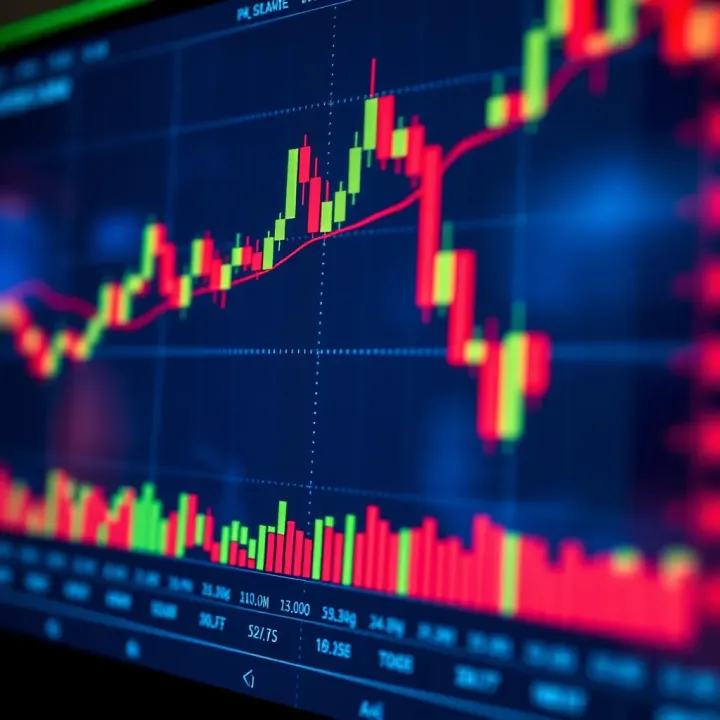
📈 Explore different candlestick types in trading! Learn how shapes reflect market moods and how to use common & advanced patterns for smarter decisions.

Explore binary trading in Kenya 🇰🇪 with insights on basics, legal rules, top platforms, risks, and smart strategies to trade wisely and avoid mistakes.
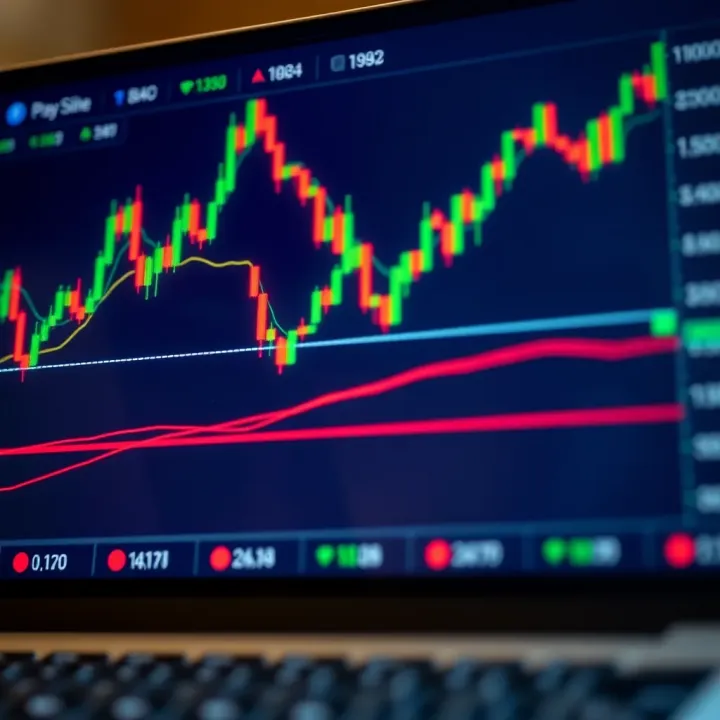
Explore Deriv binary trading 📊 with essential tips, strategies, and platform features. Learn risk management and regulations for Kenya traders 🇰🇪 today!
Based on 9 reviews