

Understanding Derivative Trading for Kenyan Investors
📈 Learn how derivative trading works in Kenya, its types, benefits, and risks. Get practical tips to invest confidently in stocks, currencies, and commodities.
Edited By
Sophia Grant
Robot trading, commonly known as automated trading, is changing the way many Kenyans handle investments, especially in stocks and forex markets. Instead of manually buying and selling assets, traders now rely on software programs—or "robots"—to execute trades based on predefined rules. These systems analyse market data at speeds no human can match, helping investors seize opportunities without constant supervision.
The core benefit lies in automation. Imagine a trader in Nairobi who wants to invest in forex but can't watch the market all day. A robot can place trades day and night according to strategies set up in advance. This reduces emotional decision-making, which often leads to losses when humans react too late or too quickly.
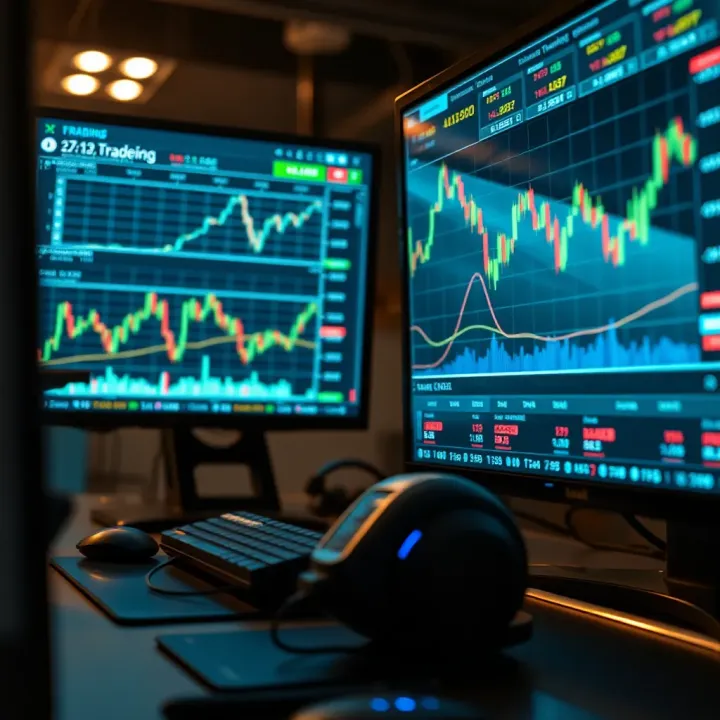
Remember, robot trading is a tool, not a guarantee for profit. It requires clear strategies, constant monitoring, and understanding of risks.
Automated trading uses algorithms programmed with specific criteria such as price levels, technical indicators, or market trends. Once triggered, the robot sends buy or sell orders directly to the exchange or broker’s platform. For instance, a trader could set a robot to buy shares on the NSE once a particular moving average crosses a certain point.
These robots continuously monitor multiple markets and data in real-time, making it easier to react faster than any manual trader could. This agility is crucial, especially in volatile markets like forex.
Compatibility: Ensure your robot works with brokers licensed by the Capital Markets Authority (CMA) in Kenya.
Costs: Be aware of subscription fees or commissions charged by robot providers.
Internet Access: Stable and fast internet is essential for uninterrupted trading.
Regulatory Compliance: Understand tax obligations to KRA on gains from automated trading.
Some local traders have started using MetaTrader 4 or 5 platforms, which allow integration with robot trading scripts. Others use software like Tradestation or NinjaTrader but always verify these tools meet Kenya’s regulatory standards.
In a nutshell, robot trading offers a practical solution for busy Kenyan investors aiming to automate trades while managing risks. Understanding the essentials will help you make informed choices and avoid common pitfalls in automated investment strategies.
Understanding how robot trading works is key for Kenyan investors to make informed choices and manage their investments effectively. Robot trading relies on computer programs—algorithms—that automatically analyse market data and execute trades based on set rules. This hands-off approach lets investors tap into markets round-the-clock without needing to monitor every price move or market trend personally.
Robot trading means using software applications programmed to buy or sell stocks, forex, or other instruments automatically. Instead of human traders making decisions on the fly, these systems follow algorithms to identify trading opportunities and execute orders immediately. For a Kenyan investor, this can mean quicker trade executions and the ability to participate in markets even when offline.
Algorithms work off historical and real-time data, looking for patterns or signals such as price movements, volume spikes, or technical indicators like moving averages. For instance, an algorithm might be programmed to buy a forex pair if the 50-day moving average crosses above the 200-day average, indicating a potential upward trend. These mathematical rules remove guesswork, offering systematic consistency in decisions.
Several platforms support robot trading for Kenyan users. MetaTrader 4 and MetaTrader 5 are popular choices, especially for forex trading, as they allow custom Expert Advisors (EAs) to automate trades. Local brokerage firms often integrate such software, facilitating deposits and withdrawals via M-Pesa or bank transfers. Choosing a platform that matches your trading style and is compatible with Kenyan banks is crucial to smooth operations.
This strategy interprets current price momentum and assumes it will continue in the same direction. A robot using trend following might buy stocks rising steadily over days or weeks and sell as momentum fades. This method suits markets with clear directional moves and helps avoid entering trades against prevailing trends.
Mean reversion robots focus on irregular price swings. They bet that prices deviating too far from an average level will eventually return, so the robot might sell when prices are unusually high or buy when prices dip too low. In Kenya’s sometimes volatile local markets, such strategies require careful tuning to local patterns to avoid getting caught in price traps.
Arbitrage exploits price differences of the same asset across different platforms. For example, if a stock trades slightly cheaper on one exchange, the robot quickly buys there to sell higher elsewhere. Scalping, by contrast, seeks many small profits on tiny price movements throughout the day. Both require fast execution speeds and low transaction costs, which can be challenging but rewarding in Kenya’s growing digital trading space.
Automated trading offers a way for Kenyan investors to engage the market actively without the constant manual effort. Knowing how these robots operate and the strategies they use helps you pick what fits your investment goals and risk appetite best.
Robot trading offers notable benefits for Kenyan investors, making it a growing choice in local financial markets. Automated systems can process trades faster and more accurately than manual methods, allowing users to respond instantly to market shifts. This section covers practical advantages such as speed, emotion-free decisions, and accessibility – all vital for investors seeking efficient and consistent returns.
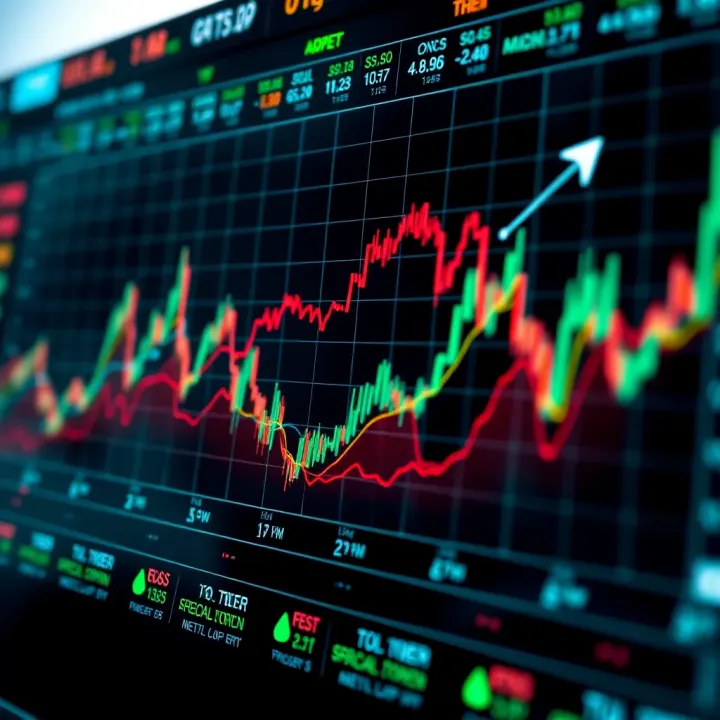
Automation cuts down the time between deciding to trade and executing it to milliseconds. Unlike manual trading, where human reaction times and distractions can cause delays, robot trading systems place orders immediately once programmed conditions trigger. For Kenyan traders dealing with volatile assets like NSE equities or forex pairs, this rapid response helps capture better price points and avoid slippage.
Faster trade execution also improves market liquidity by increasing the volume and frequency of trades. High-speed algorithms contribute to tighter bid-ask spreads, benefiting all participants by making it easier and cheaper to buy or sell. While this can add to price movements, the improved liquidity generally creates a more stable trading environment over time.
Human traders often face emotional challenges such as fear and greed, which can lead to rash decisions like premature selling or holding losing positions too long. Such emotional reactions typically result in losses or missed opportunities. Robot trading relies strictly on pre-set rules and data-driven signals, removing feelings from the equation.
This rule-based approach ensures trades are executed consistently based on clear criteria, not gut feelings. For example, a robot programmed to sell if a stock drops below a certain percentage won't hesitate, even during market panic. This discipline helps Kenyan investors avoid costly mistakes, improves risk management, and can yield more reliable performance.
One key advantage of robot trading is its compatibility with common Kenyan payment methods like M-Pesa and bank transfers, making funding straightforward without needing complex setups. Platforms supporting robot trading often accept small deposits via these channels, lowering barriers to entry.
This flexibility allows investors with modest capital, such as a few thousand shillings, to start automated trading without large upfront costs. As an example, a Nairobi-based trader can fund an account using M-Pesa and test strategies with minimal financial risk. This democratizes access to sophisticated trading techniques previously reserved for those with bigger budgets or institutional backing.
Automated trading systems not only speed up processes but also bring professional investment techniques within reach of everyday Kenyan investors.
By understanding these advantages, Kenyan investors can better evaluate robot trading as a viable option to improve their portfolio management and growth potential.
While robot trading offers many advantages, it's necessary to understand its risks and limitations, especially in the Kenyan market context. These can affect both the performance and security of automated trades. Being aware of these pitfalls helps investors avoid costly mistakes and better manage their investments.
Kenya's infrastructure can pose a real challenge for robot trading systems. Unlike some developed markets with highly reliable internet and power supplies, Kenyan investors often face intermittent connectivity and power issues. This can affect the timely execution of trades by automated systems, causing missed opportunities or unintended trades. For example, a robot connected to the Nairobi Securities Exchange (NSE) might fail to execute a buy or sell order precisely when market conditions are optimal due to shaky internet access.
Frequent power outages—locally known as load-shedding—and unstable internet connections can interrupt the functioning of robot trading software. Suppose a system goes offline in the middle of an active trade because of a power cut. In that case, it may not be able to respond to sudden market moves, exposing the investor to unexpected losses. Many Kenyan traders who rely on home internet or mobile data services could face this risk daily, especially in rural areas where infrastructure is less reliable.
Robot trading systems heavily depend on historical data to make trade decisions. However, relying too strictly on past market behaviour can be misleading. Markets evolve and are influenced by many unpredictable factors such as political events, changes in policy, or economic shocks. For instance, an algorithm trained on data before the COVID-19 pandemic might have struggled to predict the sudden market volatility seen in 2020. This mismatch can cause the robot to generate false signals, leading to losses.
Sudden market shifts—like a sharp currency devaluation or abrupt policy announcements—can catch robot trading systems off guard. These systems typically respond based on existing parameters and may not adjust quickly to new realities. In Kenya, forex traders using robots faced challenges during moments of sharp shilling depreciation or during unexpected political unrest. The robot might continue to execute trades based on outdated assumptions, worsening losses instead of mitigating them.
Many robot trading platforms operate without proper licences or oversight in Kenya. This lack of regulation puts investors at risk of dealing with unreliable software providers or fake offerings. Unregulated platforms may not secure users’ funds or data properly, exposing investors to theft or hacks. Kenyan investors should check for Capital Markets Authority (CMA) approval or accreditation before trusting any automated trading service.
Fake robot trading schemes often promise unrealistic returns with little risk, which should raise red flags. Scammers might use aggressive marketing or social media adverts targeting Kenyan investors, asking for upfront fees or offering exclusive strategies. It's vital to verify the authenticity of these services by researching reviews, seeking trusted referrals, or consulting professional brokers. Ignoring these precautions has led many unsuspecting investors to lose significant money to fraud.
Investing in robot trading can boost productivity, but understanding its limitations and risks will protect your capital and confidence. Always prioritise due diligence and risk management.
By keeping these risks in mind, Kenyan traders and investors can better navigate robot trading’s complexities and use it wisely within their portfolios.
Selecting and setting up the right robot trading system is a key step for Kenyan investors aiming to automate their trading. A suitable system can boost efficiency and cut errors, while a poor choice leads to losses and frustration. This section walks through the essentials, from choosing reliable software to integrating payment methods, then testing and monitoring performance.
When picking robot trading software, consider its history of performance. Look for verified results showing consistent profits over months or years, not just flashy claims. For example, a robot that performed well during Kenya's recent market volatility could be more robust than one that shines only in stable markets. Reading user reviews and expert analyses helps identify software with trustworthy algorithms and good customer support.
It is crucial that the software works smoothly with your chosen Kenyan broker or exchange. Many global robot trading platforms support only international brokers, which may not integrate well with local services like the Nairobi Securities Exchange (NSE) or M-Akiba bonds. For instance, if you trade through a broker like KCB Securities or Faida Investment Bank, ensure the robot supports their trading APIs and can handle trades in Kenyan Shillings without delays or conversion hiccups.
Given how widespread M-Pesa is across Kenya, a robot trading system that accepts M-Pesa for funding is a huge plus. It saves you time and hassle of international transfers or credit cards. Some software platforms also accept direct bank deposits from Kenyan banks like Equity or Co-operative Bank, which help investors who prefer traditional methods. Look for systems that update your account balance quickly after deposits via these channels to avoid missing trading opportunities.
It is not enough to fund your trading robot easily; withdrawing profits should be straightforward too. Systems that partner with local payment providers make withdrawing funds less of a headache. For example, seamless integration with M-Pesa or local bank accounts helps investors access their returns promptly. Confirm the platform’s withdrawal policies, fees, and expected timelines before committing your money.
Before letting a robot trade your capital live, backtesting it using Kenya-specific historical data gives you a sense of its reliability. This means running the software against past NSE price movements, economic shocks, or forex trends to see how it would have fared. Backtesting helps catch flaws in the algorithm without risking real money, giving a clearer picture of what to expect.
Even with automation, monitoring is crucial. The best robot trading systems allow you to set alerts for unusual market moves or when trades miss expected outcomes. Manual override lets you pause or adjust the robot’s actions quickly if the market shifts unexpectedly. This is especially useful during Kenya's rainy seasons or political events when markets can behave unpredictably.
Choosing and configuring your robot trading system carefully protects your savings and positions you to benefit from automated trading more confidently and safely.
By following these steps, Kenyan investors can build a solid foundation for using robot trading tools effectively within the local market context.
Understanding the regulatory and legal framework is essential for anyone interested in robot trading in Kenya. Automated trading is still relatively new here, so knowing how the Capital Markets Authority (CMA) and Kenya Revenue Authority (KRA) oversee these activities helps investors avoid legal troubles and make informed decisions. It also safeguards your investments from scams and ensures compliance with tax laws.
The Capital Markets Authority regulates automated trading to maintain market integrity and protect investors. CMA guidelines require that any automated trading platforms operating in Kenya must meet specific standards to prevent market manipulation and unfair practices. For instance, traders using robot trading software should ensure it aligns with these rules to avoid suspension or penalties.
Compliance extends beyond just the traders to include software providers. Developers offering robot trading tools must register with CMA and demonstrate that their algorithms operate within regulated limits. This requirement helps weed out unreliable or fraudulent providers. A Nairobi-based broker, for example, must only use or recommend systems approved by CMA to keep clients safe and compliant.
Profit made from robot trading is treated as investment income under Kenyan tax laws and is subject to taxation by KRA. Traders must declare these gains when filing annual returns. Since robot trading can generate frequent transactions, it’s easy to overlook the tax burden, which might lead to penalties if KRA identifies discrepancies.
Accurate record-keeping plays a key role here. Keeping detailed logs of trades, profits, losses, and withdrawal histories ensures that your tax filings are precise and verifiable. Using spreadsheets or accounting software tailored for traders helps track this data, reducing the risk of errors when submitting information to KRA.
With many new robot trading platforms entering the Kenyan market, recognising authorised and licensed operators is vital to avoid falling victim to scams. Only platforms registered with CMA and those with transparent operating histories should be trusted. For example, if you see a platform promising unrealistic returns without any regulation details, be cautious.
If you suspect fraud or malpractice in a robot trading scheme, the quickest way to seek help is through established channels such as CMA’s consumer protection desk and the Consumer Federation of Kenya (Cofek). These bodies investigate complaints and can take legal steps against offenders, helping you recover lost funds or prevent others from being conned.
Staying informed about Kenya’s regulatory and tax environment helps you trade smartly and safely. Always confirm that your robot trading platform complies with CMA rules and keep honest tax records to avoid unnecessary legal woes.
By keeping these considerations front and centre, Kenyan investors can embrace robot trading with more confidence and fewer risks.
📈 Learn how derivative trading works in Kenya, its types, benefits, and risks. Get practical tips to invest confidently in stocks, currencies, and commodities.

Explore how to choose the right trading platform for Kenya's market 📈. Learn features, fees, risks, and tips for safe, effective trading with M-Pesa and more.

📊 Learn how trading signals guide Kenyan investors to buy or sell assets wisely by analysing market trends. Discover key types, risks, and tips to choose reliable providers.
📈 Learn how online trading works in Kenya, discover popular platforms, asset types, key risks, and tips to trade safely under local regulations. Start confidently today!
Based on 12 reviews