

Understanding Deri: A Clear and Complete Guide
Explore deri: its history, cultural meaning, and practical uses in Kenya. Learn how deri shapes economies, society, and sustainable practices 🌍📘.
Edited By
Joshua Reynolds
Money swapping is a term that’s gaining traction among traders, entrepreneurs, and investors in Kenya. At its core, it means exchanging one type of currency or financial asset for another. This could be swapping physical cash for mobile money like M-Pesa, exchanging Kenyan Shillings for US Dollars, or even trading different forms of digital assets.
Understanding how money swapping works can help you avoid unnecessary losses and make smarter financial moves.
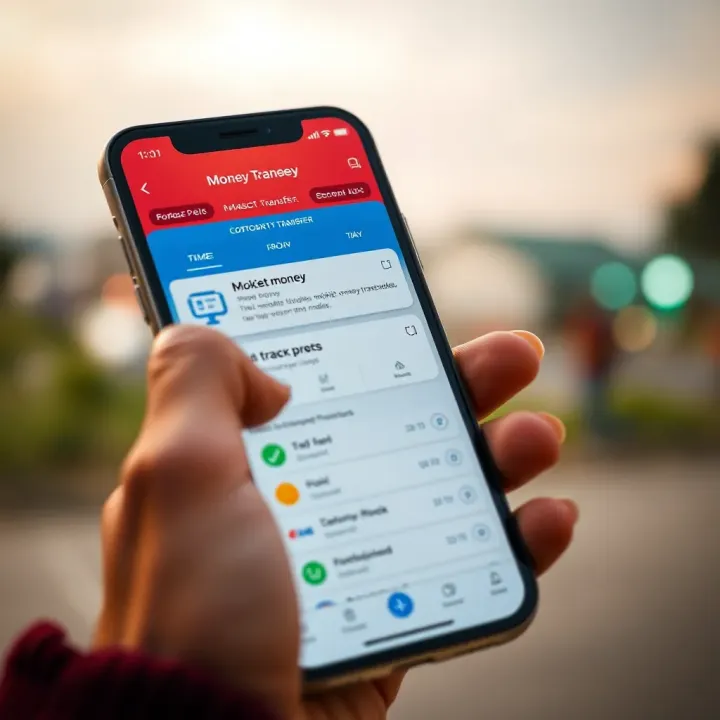
Money swapping typically happens through three main channels:
Physical exchange: For example, exchanging KSh 10,000 in cash for the equivalent in US Dollars at a forex bureau.
Mobile money platforms: Swapping cash into mobile money accounts, or transferring money between different mobile wallets like M-Pesa and Airtel Money.
Digital currency conversions: Swapping between cryptocurrencies or converting crypto into local currency.
Each method comes with its own risk profile and costs. Forex bureaus set exchange rates that change daily, sometimes with added commission. Mobile money services usually charge a small percentage for transfers or swapping cash to digital wallets.
For instance, swapping KSh 20,000 into M-Pesa may attract a fee of about 1-2%, depending on the agent.
Swapping money is not just about converting currencies. It’s a vital part of managing cash flow, especially for businesspeople dealing with suppliers, customers, or partners in different currencies.
Many Kenyan entrepreneurs rely on swapping to move funds quickly and safely without physical cash handling, which can be risky. Traders who export goods also need to understand how currency swapping affects profits when converting foreign earnings.
Imagine you import electronics from China and get paid in US Dollars. You’ll want to swap those dollars into Kenyan Shillings at the best possible rate to maximise your returns. Using mobile money platforms, you may also want to swap funds into digital wallets that offer safer and quicker transactions for your day-to-day expenses.
Understanding money swapping helps you decide when to convert, where to swap, and how to spot good exchange rates and fair fees.
Swapping money is an everyday financial tool — knowing the methods, costs, and risks helps you keep your business nimble and secure.
Money swapping involves exchanging one form of currency or monetary value for another, often to meet specific transactional needs or to adapt to different economic contexts. This concept is particularly relevant in Kenya’s vibrant economy, where cross-border trade, mobile money platforms, and informal financial systems overlap. Understanding how money swapping works helps businesses, traders, and investors navigate currency fluctuations, manage liquidity, and reduce transaction costs.
At its core, money swapping is about flexibility—being able to convert money from one type to another quickly and efficiently. For example, a Kenyan exporter earning US dollars might swap this foreign currency into Kenyan shillings to cover local expenses. Similarly, a consumer travelling within East Africa might exchange Kenyan shillings for Tanzanian shillings or Ugandan shillings to make purchases abroad.
Money swapping is essentially the act of exchanging monetary instruments, currencies, or digital money between parties. It can be done formally, through banks and licensed bureaus, or informally, such as peer-to-peer cash swaps within communities. It includes currency exchange, digital wallet transfers, and barter-style trades where money changes hands based on agreed terms.
This practice is vital for businesses dealing with multiple currencies or small-scale traders relying on informal arrangements. It ensures liquidity by allowing quick conversion to usable funds, facilitating trade, investment, and everyday transactions across diverse settings. Importantly, money swapping also involves understanding fees, exchange rates, and risks such as fraud or rate fluctuations.
Currency exchange remains the most traditional form of money swapping. It involves buying and selling physical or electronic money from one currency to another. For instance, a Kenyan hotel accepting foreign tourists needs to swap the visitors’ dollars or euros into Kenyan shillings. Banks and forex bureaus in Nairobi, Mombasa, and Kisumu handle such exchanges daily, often charging fees or applying margins on the exchange rates.
This practice matters for traders who deal in imported goods priced in foreign currencies and individual Kenyans sending money back home from abroad. Accessibility to fair exchange rates and reliable services can directly affect profitability or remittance value. Given the frequent fluctuations of currencies like the US dollar, British pound, and euro against the Kenyan shilling, timely currency exchange decisions are important.
Kenya’s mobile money revolution, led by M-Pesa, transformed money swapping by enabling instant, digital transfers and conversions between different mobile wallets. For example, a person may swap funds between M-Pesa and Airtel Money wallets, allowing access to different services or better transaction terms. This swapping extends to currency conversions in some cross-border scenarios, facilitating faster payments.
This form is practical for entrepreneurs and individuals without easy access to formal banks but with mobile phones and SIM cards. It reduces the need for physical cash handling, lowers costs, and increases convenience. Businesses also benefit when customers can pay through multiple digital channels, expanding market reach.
Outside formal systems, barter and peer-to-peer money swapping happens within communities or networks. For instance, a trader might swap cash with a neighbour for a local currency amount or goods with equivalent monetary value. These arrangements can be informal agreements based on trust and mutual benefit, operating without official exchange rates.
Such swaps help manage liquidity shortages or respond to delays in bank transactions. They often fill gaps where formal financial services are limited or too expensive. However, these methods require caution since they may lack legal recourse and be vulnerable to misunderstandings or fraud.
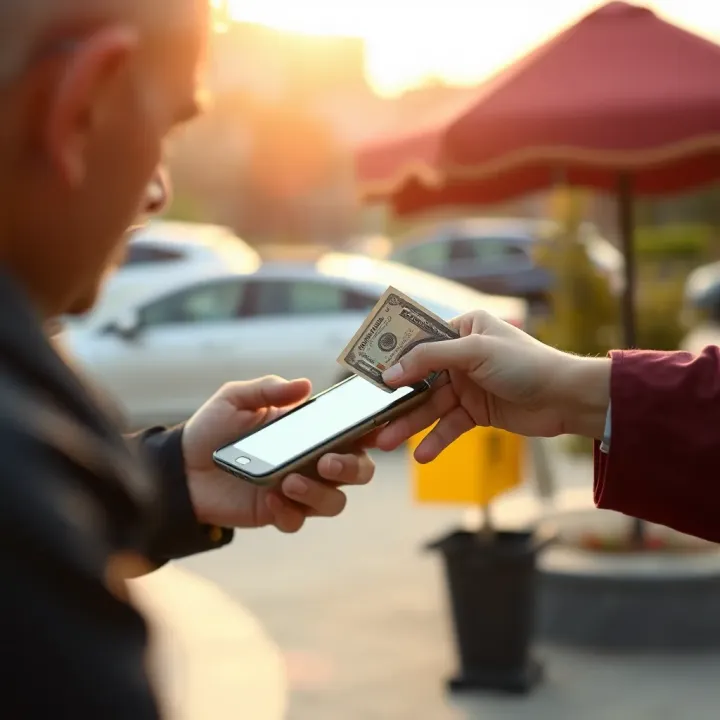
Understanding these forms reveals how money swapping is woven into Kenya’s economic fabric, from formal forex markets to grassroots community dealings. It equips stakeholders to choose suitable swapping methods, assess costs, and protect themselves.
Understanding the different ways to swap money in Kenya is essential for traders, investors, and entrepreneurs who operate in diverse financial environments. This knowledge helps to make informed decisions on how to convert currencies, send funds, or access cash efficiently and safely. Kenya’s financial setup blends both modern digital tools like mobile money and traditional methods such as forex bureaus and peer-to-peer arrangements, providing multiple options depending on convenience, cost, and trust.
Sending and receiving money: Mobile money platforms, especially M-Pesa, have transformed how Kenyans swap money. With millions of users, M-Pesa allows instant sending and receiving of funds across the country and even internationally in some cases. For business people, this means quick payments without the need to visit banks or carry cash physically. For example, a trader in Kisumu can pay suppliers in Nairobi instantly using M-Pesa, ensuring smooth supply chain operations.
Converting between mobile money wallets: Besides sending cash, users can convert money between different mobile money wallets offered by Safaricom, Airtel, and Telkom Kenya. This swapping facilitates ease of transactions where customers or suppliers prefer a specific platform or need to take advantage of lower transfer fees. For instance, a freelancer who gets paid on Airtel Money but finds M-Pesa agents nearby for withdrawals can easily swap funds between these wallets, improving access.
Accessing bank foreign exchange services: Banks in Kenya provide currency exchange services mostly for businesses and individuals dealing with international transactions. These services are vital for importing goods or investing abroad. Accessing official bank forex keeps transactions secure and transparent, often offering better exchange rates than informal channels. A Nairobi-based exporter, for example, may convert foreign currency payments received in USD to KSh through a bank to avoid risks linked to black-market rates.
Using forex bureaus safely: Forex bureaus operate widely in towns and cities, offering fast currency exchange, often with more competitive rates. However, traders and investors should choose bureaus with valid licences from the Central Bank of Kenya and a good reputation. Safety tips include counting cash in safe areas and obtaining official receipts. Informal foreign exchange risks include counterfeit notes or unfair rates, which make proper due diligence necessary.
Peer-to-peer cash swaps: This method involves individuals directly exchanging currencies, often based on mutual trust or community networks. For example, a person needing US dollars to travel might find a colleague in the office who needs Kenyan shillings, and they swap directly at an agreed rate. This is common where official channels are hard to reach or for small amounts. However, the risk lies in lack of legal protection if disputes arise.
Community-based swapping arrangements: In some Kenyan communities, swapping takes place through savings groups or rotating credit societies (Chamas). Members exchange contributions or currencies according to agreed schedules, helping manage liquidity without formal banking. These arrangements offer flexible options to swap money within trusted circles, supporting both daily needs and business ventures in informal settings.
Choosing the right way to swap money depends on factors like urgency, amount, cost, and trustworthiness. Knowing your options ensures smoother financial transactions in Kenya's diverse market.
Swapping money, whether for trade, investment, or everyday transactions, carries its own mix of benefits and challenges. Understanding these factors is key for traders, entrepreneurs, and investors who rely on efficient currency swaps and transfers. This knowledge helps navigate risks and seize opportunities in Kenya’s dynamic financial scene.
Convenience and speed are among the top perks of swapping money today. With platforms like M-Pesa, users can send or receive funds instantly without queues or paperwork. For example, a Nairobi-based trader importing goods can quickly pay suppliers abroad via mobile money or forex bureaus, avoiding costly delays that harm business flow.
Besides speed, convenience means transactions happen anywhere, any time—even Nairobi’s bustling matatu terminus or the farmer’s market in Eldoret. This flexibility saves time and reduces the need for physical cash, which can be risky to carry.
Access to multiple currencies is vital for businesses trading regionally or internationally. Swapping money allows easy conversion between Kenyan shillings, US dollars, euros, or other currencies. For instance, a Kenyan exporter receiving payment in dollars can swap to shillings quickly through a bank or forex bureau, ensuring smooth cash flow into their shamba operations or paying local salaries.
This access also benefits consumers travelling or making cross-border purchases who may need immediate currency swaps without lengthy bank processes.
On cost savings, swapping money through trusted platforms often reduces fees compared to traditional methods. Mobile money transfers can be cheaper than couriering cash or using informal agents. Bulk traders who swap currencies directly via online forex platforms often get better exchange rates, saving thousands of shillings compared to cash bureau rates.
Businesses also save on the operational costs of handling cash, lowering risks and insurance premiums.
Fraud and scams cloud the swapping landscape if users are not careful. Unregulated swap deals or fake forex bureaus can lead to losses. For example, some traders have been conned by fraudulent agents offering unbelievably high rates outside official platforms. Always verifying providers’ licencing and customer feedback helps avoid these scams.
Exchange rate volatility is another challenge. Rates can fluctuate daily or even hourly due to factors like political events or currency supply changes. A Kenyan importer who locked a dollar deal but delayed swapping risks paying more if shilling weakens, affecting profit margins.
Businesses and individuals need to monitor rates and sometimes act fast to minimise risks, though this requires access to real-time information.
Finally, regulatory constraints may limit money swapping options. The Central Bank of Kenya and Kenya Revenue Authority regulate forex trading to prevent money laundering or illegal transfers. This sometimes means formal forex bureaus require documentation for big transactions, adding steps.
Also, not all mobile money wallets are interoperable nationally, limiting wallet-to-wallet swaps unless providers collaborate. Entrepreneurs must stay updated on these rules to comply and avoid penalties.
Successful money swapping balances speed and cost against risks like fraud and currency changes. Being informed and cautious goes a long way in protecting both your business and personal finances.
Understanding these benefits and challenges equips traders, investors, and entrepreneurs with the insights to make smart, safe decisions in Kenya’s evolving money swapping environment.
Technology has reshaped how money swapping happens, especially in Kenya where mobile money dominates daily transactions. Innovations in mobile platforms and digital tools have made swapping faster, safer, and more convenient, bridging gaps that traditional methods struggled with. This section highlights key tech developments influencing money swapping and what they mean in practice.
Interoperability and wallet-to-wallet swaps enable users to send money directly between different mobile wallets without restrictions. For example, someone using Safaricom’s M-Pesa can now transfer funds to a customer on Airtel Money without first converting cash through bank accounts or cash points. This removes the friction once faced when wallets operated in isolation, reducing transfer time and costs.
In Kenya’s bustling economy, where many juggle multiple mobile wallets for different services or regional preferences, this interoperability simplifies everyday business and personal swaps. Traders operating cross-county or small entrepreneurs doing peer-to-peer payments benefit from these seamless wallet-to-wallet transactions. It brings greater flexibility and widens access to money swapping without needing to visit physical outlets.
Mobile apps enhancing transparency have become critical. Apps developed by mobile operators and third parties now show real-time exchange rates, transaction history, and fees clearly. This transparency helps users avoid hidden charges and compare rates before swapping money. For instance, the M-Pesa app updates its currency exchange rates frequently and notifies users of applicable transfer fees, enabling better decision making.
Besides, some apps integrate QR codes and digital receipts, further assuring users that transactions are legitimate and recorded. Transparency tools also curb fraud by allowing users to spot suspicious activity quickly. In Kenya, where trust often dictates financial choices, these apps play a crucial role in building confidence in money swapping.
Peer-to-peer exchange websites connect individuals interested in swapping currencies without middlemen. These platforms let users post offers to exchange one currency for another and match with people seeking the opposite swap. It’s a low-cost way to get better rates compared to banks or forex bureaus.
For example, a Kenyan trader can find someone offering US dollars in exchange for Kenyan shillings at an agreed rate, arranging the swap either digitally or through a coordinated cash exchange. Despite being informal, these platforms often require verification mechanisms to maintain safety, and they help widen access to foreign currency outside traditional channels.
Use of blockchain and cryptocurrencies introduces a cutting-edge option for money swapping, especially for cross-border trades. Blockchain technology supports secure, instant transfers without relying on banks or official foreign exchange institutions. Cryptocurrencies like Bitcoin and stablecoins pegged to major currencies allow swapping without traditional currency conversion fees.
In Kenya, where remittance flows and digital entrepreneurial activities grow, blockchain can reduce costs and speed for money swapping across borders. Nevertheless, while promising, it still faces hurdles like regulatory uncertainty and volatility, meaning users should approach with care. Blockchain applications also provide audit trails, improving trust and verifying transactions can be useful in peer-to-peer swaps.
Technology isn't just about faster transfers but making money swapping accessible and safer for everyone. Innovations like interoperability, real-time transparency, and blockchain are changing how traders and entrepreneurs move money every day.
This technological shift has brought Kenyan money swapping into the modern digital era, supporting more reliable, transparent, and flexible financial exchanges essential for a growing economy.
When swapping money, whether through mobile platforms like M-Pesa, forex bureaus, or peer-to-peer arrangements, safety should be your top priority. In Kenya, where both formal and informal methods thrive, understanding how to identify trustworthy providers and protect yourself from scams is vital. This not only helps preserve your funds but also builds confidence in the growing money swapping ecosystem.
Always confirm that the service provider is licensed and registered with the appropriate authorities. For mobile money or forex services, this means looking for approval from bodies like the Central Bank of Kenya (CBK) or the Capital Markets Authority (CMA). Licensed firms follow strict rules that protect your money and ensure fair dealings. For example, a forex bureau operating without a valid CBK licence might offer better rates but risks disappearing with your cash or engaging in illegal practices.
Beyond legal approval, registration implies accountability. A registered provider must maintain records and can be reported to regulators if problems arise. Before swapping, request to see proof of registration or check publicly available lists from CBK or CMA. This step reduces the chance of falling victim to bogus firms, especially in informal markets.
Word of mouth remains a powerful tool in Kenya’s financial services. Ask friends, colleagues, or trusted community members about their experiences with a provider before you commit. Positive referrals often indicate reliability and good service. Conversely, if you hear stories of delays, hidden charges, or fraud, consider alternatives.
Online reviews, where available, also help. Check social media pages or business listings for customer feedback. Be cautious if reviews appear overly positive or suspiciously negative in bulk—these may be fake. Combining direct referrals with genuine online testimonials offers a clearer picture of who you’re dealing with.
If a rate or deal sounds too attractive compared to others, treat it with suspicion. Scammers often lure customers by promising huge savings or bonuses on currency exchange or mobile money swaps. For example, a forex bureau offering USD to KSh at rates far better than the official market is likely hiding costs or planning to cheat you.
Realistic offers should align closely with prevailing rates from recognised providers. Don’t rush into swaps driven by pressure or tight deadlines from unknown agents. Take time to compare rates, ask questions, and confirm details before parting with your money.
Stick to well-known, traceable payment channels like M-Pesa, bank transfers, or direct paybill services when making swaps. Avoid cash handovers or untraceable methods with strangers. Secure methods provide transaction records, which help in resolving disputes or raising complaints if things go wrong.
For instance, M-Pesa’s transaction confirmation SMS is a simple but effective proof of payment. Some mobile wallets and bank apps also let you save or screenshot receipts. Keeping these records can be a lifesaver when contesting fraud or errors.
Swapping money safely boils down to diligence: verify credentials, seek trusted recommendations, avoid unrealistic deals, and opt for transparent payment options. These steps help protect your funds in Kenya’s dynamic money swapping environment.
By following these tips, traders, investors, and entrepreneurs can reduce risks while leveraging money swapping to meet their financial needs confidently.
Explore deri: its history, cultural meaning, and practical uses in Kenya. Learn how deri shapes economies, society, and sustainable practices 🌍📘.
Explore Deriv trading in Kenya 📈 - learn how to trade forex, commodities & indices safely, master strategies, manage risks, and make smart investment choices.
🔍 Understand DERIV status—what it is, its importance in finance & compliance, regulatory aspects, and how it affects industries. Navigate it with confidence!
🔍 Understand derivatives in the COM framework: inheritance, interface design, and extending components for smarter Windows software development. 💻
Based on 7 reviews