

Understanding Deriv Bots for Traders in Kenya
Explore how Deriv bots work in Kenya 🇰🇪, their benefits, risks, setup tips, trading strategies, and legal points for safer automated trading 🤖📈.
Edited By
Amelia Foster
Forex bots are software programs designed to trade currencies automatically without constant human involvement. They analyse market data, execute trades, and manage positions based on pre-set rules or algorithms. For traders in Kenya, these bots can save time and help operate at speeds that manual trading cannot match.
Automated trading bots scan multiple currency pairs simultaneously, spotting trends or signals using technical indicators. For example, a bot may be programmed to buy euros against the dollar when the moving average from the past ten minutes crosses above that of the past 30 minutes. This kind of quick calculation and action is difficult to perform manually, especially across many pairs.

Forex bots depend heavily on the quality of their strategy and the data they process; a poorly programmed bot can lead to unexpected losses.
Some popular types of forex bots include:
Trend-following bots: They trade based on momentum, buying when prices rise and selling on dips.
Grid bots: They place buy and sell orders at fixed intervals, profiting from range-bound markets.
Scalping bots: These make hundreds of trades within minutes, aiming for small profits each time.
Using a bot requires connecting it to a forex trading platform, like MetaTrader 4 or 5, widely used in Kenya. This lets the bot access real-time market data and execute orders securely.
While forex bots offer speed and emotional detachment, understanding their mechanics is vital. Bots are not foolproof; market news, liquidity changes, or sudden volatility can impact their effectiveness. For instance, during a sudden currency devaluation or Central Bank of Kenya announcement, bots may react in unintended ways if not properly configured.
Kenyan traders should view bots as tools rather than guarantees. Evaluating bots involves examining their historical performance, testing on demo accounts, and adjusting settings to local market conditions. Preparation reduces risks and improves how bots fit into your overall trading strategy.
In the next sections, we’ll break down how these bots work in more detail, highlight their pros and cons, and share practical guidance on smart usage to boost your forex trading.
Forex bots are automated programmes designed to carry out currency trading activities without constant human input. In the Kenyan forex scene, where market hours overlap with work schedules and various daily demands, these bots help traders stay active in the market even when they cannot be glued to their screens. Understanding how these bots work is essential before you decide to trust them with your hard-earned shillings.
Automated software for currency trading: Forex bots are basically computer programmes coded to analyse the forex market and place trades automatically. Instead of manually checking charts and executing trades, the bot uses pre-set criteria to identify opportunities and act on them swiftly. For instance, someone using MetaTrader 4 in Nairobi can integrate a forex bot to monitor currency pairs like USD/KES or EUR/USD, executing trades instantly based on programmed signals.
Reducing manual trading effort: Trading manually requires constant attention, fast calculations, and emotional control. Bots eliminate the need to spend hours watching price movements or wrestling with stress. By automating repetitive tasks, traders can focus on strategy refinement or even combine bot operations with manual trades. This reduces the risk of missing out during the day when you might be handling other commitments, like visiting the shamba or attending a meeting.
Algorithm-driven analysis: At the core, forex bots run algorithms — set of precise instructions that interpret market conditions. These algorithms use technical analysis indicators and mathematical formulas to assess when to buy or sell. For example, a bot might be coded to act when the Moving Average Convergence Divergence (MACD) crosses a particular threshold, signalling a possible trend shift.
Execution of trades based on set rules: Once the bot identifies a trading opportunity through its algorithm, it executes trades automatically following the preset rules. This can include entry points, stop-loss levels, and take-profit targets. Because the bot operates instantly and strictly follows rules, it avoids emotional decisions like panic selling or overtrading, which are common human faults.
Use of historical and real-time data: Bots continuously analyse both past market data and current price movements. Historical data helps in backtesting strategies, showing how a particular setup performed before. Real-time data allows the bot to respond to live changes, executing trades within seconds. This dual data usage helps balance strategy reliability with timely action, something manual traders might struggle to achieve consistently.
Trend-following bots: These bots track market direction and place trades in line with prevailing trends. Suppose the USD/KES pair has been rising steadily; a trend-following bot enters buy trades expecting the upward momentum to continue, aiming to ride the wave for profits.
Mean reversion bots: Unlike trend followers, mean reversion bots expect prices to revert to an average value after deviating. If the price shoots up too quickly, these bots might place sell orders anticipating a pullback. This approach can be effective in range-bound or sideways markets commonly seen in less volatile forex pairs.
Arbitrage bots: These bots exploit price differences of the same currency pair across different platforms or brokers. For example, if USD/GBP is slightly cheaper on one platform than another, the bot buys on the cheaper side and sells on the higher, netting a risk-free profit before the prices align. While this might seem like easy money, it requires fast execution and minimal latency to succeed.
Using forex bots doesn’t guarantee profits, but knowing how they operate lets you use them smartly, especially in the fast-moving Kenyan forex market. Keep in mind that bots work best as tools that support your trading, not magical money-makers.
Using forex bots in trading has several advantages that can enhance your approach and overall profitability. For traders in Kenya, where forex markets operate around the clock, these automated tools offer practical benefits that manual trading simply cannot match.
Instant reactions to market changes are a major boon of forex bots. These programs monitor price movements and market indicators continuously, reacting to events as they happen within milliseconds. For example, if a sudden news release causes a sharp shift in the USD/KES currency pair, a bot can execute a trade immediately to capture potential gains or minimise losses. Such speed is impossible for human traders who may take seconds or minutes to respond, during which opportunities or risks might pass.
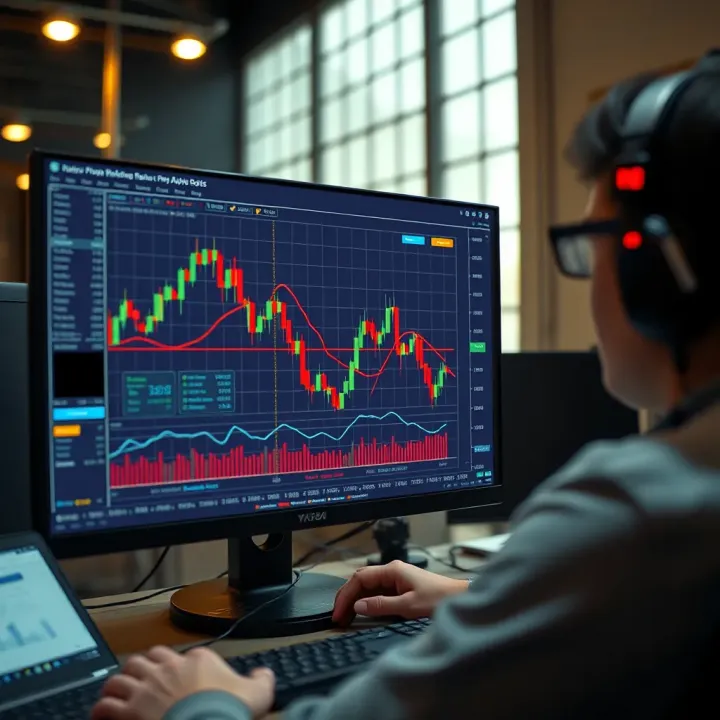
Eliminating human errors is another significant advantage. Manual trading involves risks like mistyping trade amounts, misreading charts, or acting on emotions like fear or greed. Forex bots strictly follow their programmed rules, ensuring consistent decisions without being swayed by panic or overconfidence. This can prevent costly mistakes, especially when markets become volatile or news-driven.
The forex market never really sleeps, operating 24/7 across global time zones. 24/7 market monitoring by bots means they can keep an eye on price movements and execute trades at any hour, including times when you might be asleep or away from your computer. This is particularly helpful for Kenyan traders who want to engage with major markets like London or New York but face time differences.
Additionally, forex bots suffer from no fatigue or emotional bias. Human traders often tire of analysing markets or suffer mood swings that cloud judgment. Bots remain focused and objective, managing trades consistently regardless of what happens in their personal lives. This helps maintain discipline and adherence to strategy over time.
Before going live, forex bots allow you to test strategies using historical data. By running your rules against past market price movements, you can see how the bot would have performed without risking real money. This helps identify which strategies might work well in Kenyan market conditions and which need adjustment.
Finally, bots enable refining rules to improve results. Based on backtesting outcomes, traders can tweak parameters like stop-loss levels, trade size, or entry criteria, then re-test. This cycle helps tailor strategies to current market behaviour and enhance profitability gradually. For instance, refining a bot to better handle the volatility during Kenya's election seasons could reduce drawdowns.
Using forex bots doesn't guarantee profits, but their speed, consistency, and testing capabilities give traders in Kenya a practical edge in the fast-moving currency markets.
While forex bots offer automation and efficiency, they come with their own set of drawbacks and risks that traders must understand. Recognising these limitations helps avoid costly mistakes and improves decision-making when relying on automated trading tools. Here, we'll outline key challenges with real-world examples to offer a balanced perspective.
Software glitches and connectivity issues can severely disrupt automated trading. Imagine a bot executing trades 24/7 but losing internet connection or facing software bugs during high volatility. This could lead to missed opportunities or unintended trades. For instance, during sudden price swings in the USD/KES market, a brief lag in connectivity could cause the bot to place orders at unfavourable prices, directly impacting your portfolio.
Similarly, technical failures like server crashes or outdated software versions expose traders to performance gaps. Many Kenyan traders using MetaTrader or similar platforms may face occasional disconnections or errors, especially when power outages or unstable internet occur. It’s crucial to have backup plans, such as manual monitoring or alerts, rather than trusting the bot to handle everything flawlessly.
Missing unexpected market news is another major risk. Forex bots depend on programmed indicators and data but can't interpret breaking news or political developments. For example, if the Central Bank of Kenya unexpectedly changes monetary policy, the market might react sharply. A bot, sticking to preset rules, won't adjust immediately, potentially resulting in losses.
Human traders often use news flow to predict market shifts, an advantage lost when relying solely on bots. That said, some advanced bots try to integrate news sentiment analysis, but these systems are still prone to errors and are not foolproof.
Forex bots operate strictly based on pre-set rules coded into their algorithms. This rigidity means they lack the flexibility human traders have to deviate from strategy during unusual market conditions. For example, during the recent global economic uncertainties, many bots continued executing trades following patterns that suddenly became outdated, leading to unexpected losses.
Bots struggle particularly with sudden market shocks caused by geopolitical events or economic data surprises. The Brexit vote in 2016 or COVID-19 headlines caused extreme volatility where quick human judgement helped mitigate risks. Bots, however, may continue to trade based on outdated assumptions, increasing exposure during such shocks.
Hence, while bots perform well in stable or predictable environments, traders in Kenya should monitor them actively and be ready to intervene or suspend use during turbulent times.
Beware of fraudulent sellers offering forex bots with guaranteed high returns. Scammers prey on inexperienced traders by selling overpriced or rigged bots through social media or unofficial platforms. These bots often underperform or cause significant losses.
It’s wise to research thoroughly and avoid bots that promise unrealistic profits or lack transparency. Forums, Kenyan trading communities, and credible review sources can help identify trustworthy offerings.
Importance of verifying bot credibility cannot be overstated. Confirm whether the bot has a verifiable track record with real users and transparent performance data. Check compatibility with trusted platforms like MetaTrader and ensure it has been tested under various market conditions.
Remember, even reputable bots require proper settings and oversight. Verifying provider reputation and user feedback protects against wasting time and KSh in unreliable software.
Automated trading tools hold promise, but recognising their limits and risks safeguards your capital and sharpens your trading strategy.
By understanding these drawbacks, Kenyan traders can integrate forex bots wisely—using them as tools, not crutches, in their trading journey.
Selecting and setting up a forex bot in Kenya requires careful thought to maximise your trading potential while minimising risks. The Kenyan forex market operates within unique financial and regulatory frameworks, so it's essential to pick tools that fit this landscape. Proper setup ensures your bot works efficiently with your trading account, aligns with your risk tolerance, and complies with local regulations. This section breaks down practical steps Kenyan traders should follow when evaluating and installing forex bots.
Before committing, examine a forex bot’s past performance. Look for detailed trading histories and user reviews specifically from traders in Kenya or similar markets. For example, if a bot consistently shows profits on MetaTrader 4 using historical data relevant to Kenyan shilling pairs or EUR/USD, that’s a good sign. User experiences reveal practical challenges like unexpected downtime or poor customer support, which can save you from costly mistakes.
Not all forex bots work on every trading platform. Most Kenyan traders use MetaTrader 4 (MT4) or MetaTrader 5 (MT5) due to their popularity and flexibility. Confirm that the bot integrates smoothly with your chosen platform. For instance, a bot compatible with MT4 allows easy setup and better execution without needing complicated workarounds. This compatibility matters because some brokers in Kenya, such as those regulated under CMA (Capital Markets Authority), offer specialised platform versions.
MetaTrader is the standard platform most forex bots use for trade execution. Installing a bot usually involves loading an Expert Advisor (EA) file into MT4 or MT5 and linking it directly to your trading account. This connection allows the bot to monitor price feeds and execute trades automatically. Kenyan traders must ensure their broker supports these platforms and provides stable API access for uninterrupted bot performance.
Setting risk controls is crucial before launching your bot live. Parameters like stop loss, take profit levels, trade size, and maximum daily loss protect your capital from excessive swings common in forex trading. For example, if a bot places trades with too large a position relative to your account size, you risk wiping out your funds quickly. Tweaking these settings allows you to fit the bot’s strategy to your comfort level and market volatility, especially considering regional factors like the Kenya shilling’s occasional fluctuations.
Forex trading profits fall under taxable income in Kenya, so you need to declare earnings to Kenya Revenue Authority (KRA). Maintaining clear records of your forex trades, including those made by bots, helps when filing returns. Traders should use iTax to declare profits annually and keep copies of brokerage statements. Non-compliance can lead to penalties, so it pays to stay on top of tax obligations even when relying on automated trading.
Only trade through brokers licensed by the Capital Markets Authority to protect your investments. CMA-regulated brokers comply with consumer protection rules and maintain transparent transaction records. Using a forex bot on an unregulated platform risks losing funds without recourse. Kenyan traders should verify broker licences before linking their bot to the trading account and regularly check for CMA updates or warnings about suspicious brokers.
Choosing the right forex bot and setting it up correctly within Kenya’s regulatory framework safeguards your investment and improves your chances of success. Careful evaluation, technical setup, and compliance go hand in hand in the world of automated forex trading.
Using forex bots effectively means more than just setting them loose on the market. You need a practical approach to ensure they complement your trading goals and manage risks well. These tips help you avoid common pitfalls and make the most out of your forex bot.
Testing with demo accounts is a crucial first step. Demo accounts allow you to run the bot in a risk-free environment using virtual funds. This way, you can observe how it performs under real market conditions without risking your hard-earned shillings. For example, you could test a trend-following bot during a volatile week to see if it reacts effectively before committing real money.
Once you’re comfortable with the bot’s performance, gradually increasing investment amounts helps minimise risks. Instead of going all in, start with small trades and move up only when the bot consistently meets your expectations. This phased approach lets you learn its behaviour in different market phases. Many Kenyan traders begin with allocations of about KS0,000 and increase as confidence builds.
Forex markets are fluid, so adjusting rules based on market conditions is key. A bot programmed for a trending market might struggle during sideways or highly volatile phases. You need to tweak stop-loss settings, take-profit points, or signal triggers to suit current patterns. For instance, during the long rains when global markets show uncertainty, you might tighten risk controls.
Besides trading rules, ensuring software updates and security protects your investment. Bot developers often release patches to improve algorithm accuracy or fix vulnerabilities. Running outdated software could expose your account to hacking or poor execution. Always download updates from trusted sources and keep your trading computer protected with adequate security software.
Bots can handle repetitive tasks well but they aren’t infallible. Using bots to assist, not replace traders means you retain control over major decisions. Consider a forex bot like a reliable fundi who handles routine work but still checks in with you. Combining automated trades with your judgement can catch errors that bots might overlook, especially in unfamiliar market events.
In line with that, intervening during unusual events is essential. Sudden political shifts, unexpected economic data releases, or global crises can upset algorithmic patterns. If, for example, there’s a rapid change in currency regulations by the Central Bank of Kenya (CBK), monitoring your bot closely and pausing trading temporarily can prevent large losses.
Automation can streamline forex trading, but success depends on flexible use and close supervision. Start slow, adapt often, and stay involved.
By following these practical tips, traders in Kenya and beyond can use forex bots as valuable tools rather than unchecked black boxes. This sensible approach helps protect your capital while exploring automation benefits.
Explore how Deriv bots work in Kenya 🇰🇪, their benefits, risks, setup tips, trading strategies, and legal points for safer automated trading 🤖📈.
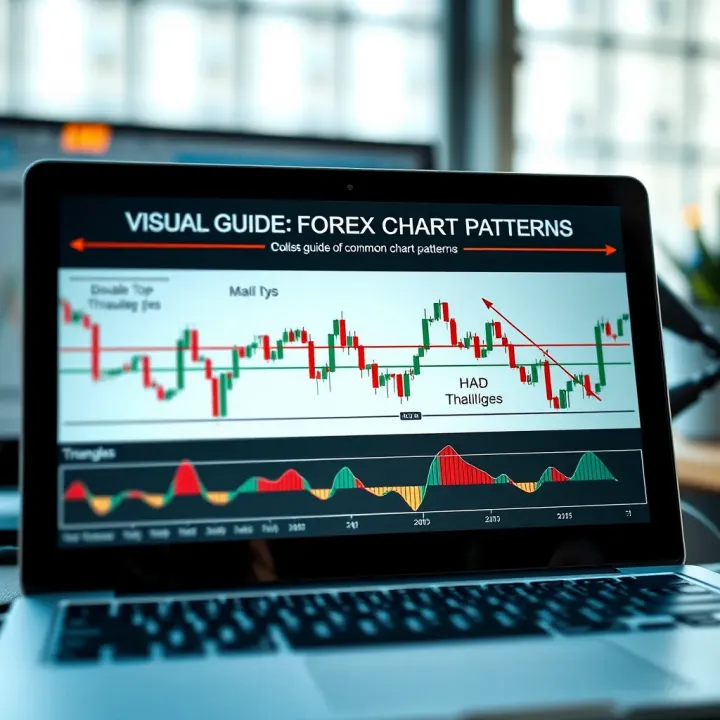
📈 Learn to spot key forex chart patterns, interpret market moves, and boost your trading skills. Access practical tips plus PDF guides for easy study! 📊
🤖 Explore how forex bot trading works in Kenya, its pros, risks, and tips on choosing and managing automated systems for smarter trading decisions.

🤖 Understand binary bots in trading, their workings, pros, cons, risks & legal tips. Stay informed before using automated binary options systems in Kenya.
Based on 12 reviews