
Understanding Deriv.com for Kenyan Traders
Explore Deriv.com’s features, account types, and platform options designed for Kenyan traders 📊. Get practical insights to trade smarter and safer in Kenya 🇰🇪.
Edited By
Amelia Foster
TradingView Free provides Kenyan traders with powerful market analysis tools without any upfront cost. Whether you are trading equities listed on the Nairobi Securities Exchange (NSE), forex pairs, or global commodities, this platform offers accessible features to help you make informed decisions.
The free version allows you to monitor real-time charts, apply technical indicators, and view key market data, all within an easy-to-use web interface. You don’t need expensive subscriptions to start analysing price trends, spotting support and resistance levels, or testing basic trading strategies.
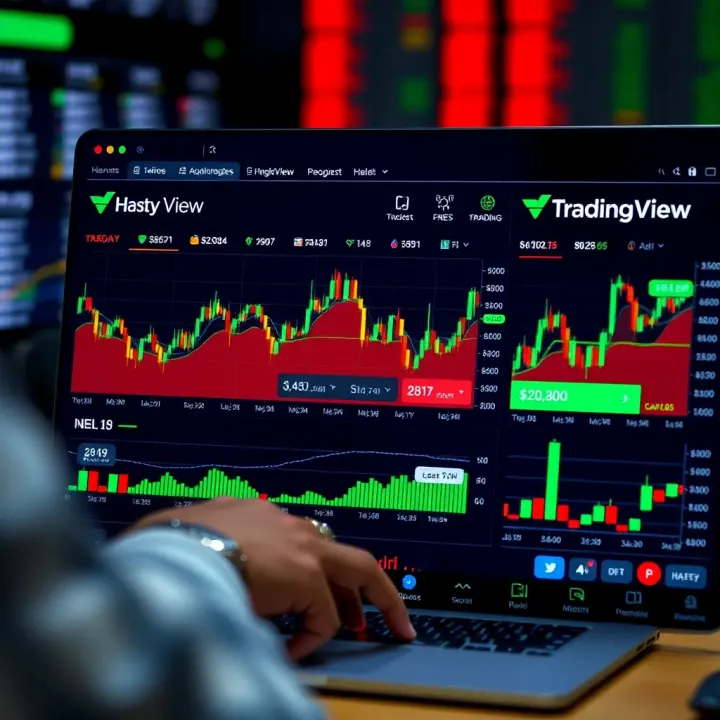
Key point: TradingView Free supports up to three indicators per chart and one chart layout, which is often enough for most beginners and intermediate traders.
Many Kenyan traders find it convenient to combine TradingView Free with local brokerage platforms like KCB Securities or Sterling Capital to execute trades based on their analysis. Rather than spending KSh thousands on software upfront, you can build your chart-reading skills and understanding of market patterns through the free tools.
Some practical advantages include:
Customisable charts: Choose from candlestick, line, or bar charts with adjustable timeframes.
Technical indicators: Access popular ones like Moving Average Convergence Divergence (MACD), Relative Strength Index (RSI), and Bollinger Bands.
Watchlist creation: Track NSE stocks, forex pairs, or global indices in one spot.
News updates: Keep abreast of economic releases and global events affecting markets.
While the free plan restricts alert settings and access to premium features, it covers the essentials you need to start analyzing and developing trading strategies.
For Kenyan traders balancing budget and utility, TradingView Free offers a solid platform to sharpen market insight without immediate financial commitment.
TradingView’s free version is a popular choice among Kenyan traders and investors because it offers essential tools without the burden of subscription fees. For many in Kenya’s growing trading community, understanding exactly what features come with the free version helps to manage expectations and optimise usage. In this section, we will explore what TradingView offers at no cost and the practical limits to keep in mind.
Access to real-time charts is a major benefit of TradingView Free. Kenyan investors following NSE stocks or commodities like tea and coffee can get updated prices as events unfold during market hours. While some platforms offer delayed data, TradingView’s real-time charts mean you can see price movement instantly, which is crucial in fast-moving markets. For example, if Kenya Power’s share price starts to shift sharply, using real-time charts helps you make timely buy or sell decisions.
When it comes to basic technical indicators and drawing tools, the free account includes widely used options like Moving Averages, Relative Strength Index (RSI), and MACD. These indicators allow traders to spot trends, momentum shifts, and potential reversals. The included drawing tools, such as trend lines and Fibonacci retracement, let you mark important price levels and support/resistance zones. This combination offers a good foundation for technical analysis even without paying.
Another practical feature available at no charge is market news and updates. Although not exhaustive, the platform provides news snippets related to global and regional markets. For Kenyan traders focusing on sectors like banking or energy, these updates supply context that can affect prices. For instance, reports on Central Bank of Kenya interest rate changes or political events influencing trade can be tracked right from the dashboard.
One notable limit is the number of indicators per chart. The free version restricts users to just three indicators per chart, which might feel tight if you like combining multiple signals to confirm trades. For example, a trader wanting to use RSI, MACD, Bollinger Bands, and volume all at once will have to prioritise or switch charts frequently. This can slow down analysis during busy trading sessions.
Ads and user experience also distinguish the free version from paid plans. While the presence of ads is not overwhelming, it can disrupt the smooth flow for some users. Kenyan traders who rely on uninterrupted analysis for long periods may find the ads a minor distraction. However, this is the trade-off for free access — ads help TradingView support its continuous development.
Lastly, there are limits on alerts and data export. Free users get a maximum of one alert, which means you can set only a single price or indicator notification at a time. In Kenya’s volatile markets, missing multiple crucial alerts could mean lost opportunities. Likewise, exporting data or charts is restricted, limiting your ability to keep local records or share detailed analysis directly. For traders needing deeper data control, this is an important consideration.
Understanding both the benefits and restrictions of TradingView Free lets Kenyan traders align their strategies realistically and make smart decisions about possible upgrades.
Setting up a TradingView free account is the first step for anyone in Kenya looking to analyse financial markets without upfront costs. This section focuses on the practical steps involved in registration and how to tailor your profile for a seamless experience, especially considering local market dynamics.
Signing up is straightforward and designed to get you started quickly. Begin by visiting the TradingView homepage, then choose the free sign-up option. You can register using your Kenyan mobile number or an email address. Using a mobile number linked to Safaricom or Airtel, for instance, simplifies the verification process thanks to SMS-based confirmation codes. After filling in your details, TradingView sends a verification message to confirm your contact information.
Verifying your account is essential to unlock full account features and ensures your account’s security. Once you receive the verification code, enter it promptly on the website or app. This step also helps in recovering your account if you forget your password. Keeping your email or mobile number active is handy because TradingView occasionally sends important updates and alert confirmations through these channels.
Once registered, customise your profile with local market preferences to align your analysis with Kenyan trading hours and instruments. Selecting the Nairobi Securities Exchange (NSE) as your default market lets you quickly access price movements, volumes, and charts relevant to Kenyan stocks and commodities like tea and coffee. Adjusting the time zone to East Africa Time (EAT) places alerts and market opening times in your local context, preventing any confusion.
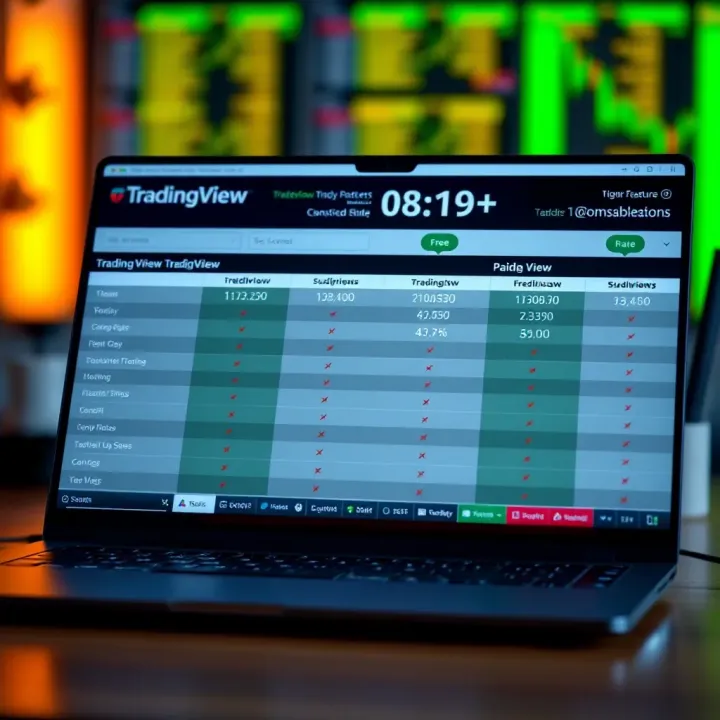
Setting up notification preferences improves your trading routine by sending timely alerts and news updates. TradingView allows you to select how and when notifications arrive — through email, app pop-ups, or even SMS. For busy Kenyan traders, especially those tracking NSE or forex markets, receiving alerts during active trading hours can prevent missing crucial price movements. You can also customise alert settings to avoid information overload, ensuring you only get notified about your selected stocks or market events.
By carefully registering and personalising your TradingView profile, you ensure the platform works effectively for your needs in Kenya’s unique trading environment. This sets a solid foundation before diving into charting and market analysis.
Take your time to explore and adjust these settings as you become more familiar with TradingView — getting this right at the start saves you time and frustration later on.
TradingView Free provides a solid toolkit that Kenyan traders can use to analyse markets efficiently without needing to invest upfront. Understanding the key features ensures you make the most of what's available, enabling you to track stocks on the Nairobi Securities Exchange (NSE) or commodities like tea and coffee traded regionally. These features help build your trading strategy with practical tools that are reliable and accessible.
TradingView’s charting tools stand out even in the free version. Kenyan traders benefit from popular free indicators such as the Relative Strength Index (RSI) and Moving Averages, which help detect market momentum and trend direction. For instance, an RSI pointing above 70 on Safaricom shares can suggest the stock is overbought, informing decisions on when to reduce exposure.
Apart from standard indicators, the free version lets you apply up to three indicators per chart. This restriction encourages focused analysis and prevents clutter, so you can balance indicators like MACD and Bollinger Bands to refine entry and exit points. These tools are especially useful for day traders tracking NSE stocks or swing trading agricultural commodity futures.
Using the drawing features on TradingView is essential for trend analysis. Kenyan traders commonly use trendlines to map support and resistance levels on charts of companies like KCB Group or Equity Bank. Drawing a well-placed trendline can visually highlight price movement patterns and identify breakout points.
Additionally, features like rectangles and Fibonacci retracements allow traders to mark price zones and predict potential reversals. This is practical when analysing regional commodities during harvest seasons where price fluctuations often follow seasonal patterns. These visual tools improve your understanding of market behaviour, making trading decisions more confident.
TradingView Free is not just about solo analysis—social interaction is a valuable feature for a Kenyan trader. Following other traders on the platform gives you exposure to diverse trading styles and insights. For example, you might find a fellow trader posting daily chart updates on the NSE 20 share index, helping you spot trends or news you would otherwise miss.
The ability to connect with others builds a learning community, especially useful for newer traders aiming to sharpen their skills without costly courses. Following experienced traders who specialise in forex pairs involving the Kenyan shilling or East African Community currencies can help you see real-time trades in action.
Publishing and reviewing trading ideas adds another practical layer. Kenyan traders can share their market views openly, whether it’s a prediction on Safaricom’s share price or an analysis of crude oil movements impacting Kenya’s import costs. When you publish ideas, you not only get feedback but also contribute to collective knowledge.
Reviewing ideas posted by others provides multiple perspectives on market conditions, which can fine-tune your strategies. It’s like having a virtual trading floor where you weigh different opinions before committing your money. Peer review promotes disciplined trading and helps avoid rash decisions, which is especially important when markets are volatile.
Using TradingView Free’s charting and social features together gives Kenyan traders a balanced approach — combining technical analysis with community insights to navigate markets confidently.
By focusing on these free features, you can improve your market analysis, stay updated on local market trends, and collaborate with fellow traders without paying a shilling. This makes TradingView Free a valuable starting point on your trading journey.
When deciding whether to stick with TradingView's free version or to upgrade, it helps to understand exactly what the paid plans bring to the table. For Kenyan traders, this comparison isn't just about more buttons to click—it’s about practical features that could improve your trading decisions and save you time, especially if you handle multiple markets or shorter timeframes.
Paid versions allow you to add multiple indicators and display several charts within the same layout. In practical terms, this means you could track NSE stocks like Safaricom Limited, alongside commodities such as tea or coffee futures, all on one screen. If you trade frequently or watch different time frames, this setup helps you see correlations and act faster without toggling between tabs.
Free accounts restrict you to only a couple of alerts, but paid plans offer more customised alerts, including webhook signals and SMS notifications. For a trader in Nairobi working with fast-moving currency pairs or volatile stocks on the NSE 20 Share Index, having timely alerts can prevent missed opportunities. For example, setting an alert for when a stock breaches a support level during market hours prevents constant manual checking.
While ads might seem minor, they affect user experience by slowing down loading times and cluttering the interface. Paid plans remove these ads, ensuring smoother navigation and quicker access. For Kenyan traders juggling work and trading on slower internet connections at some rural spots, this can make a noticeable difference in efficiency.
If you trade casually, following long-term trends on Kenyan blue-chip stocks or government bonds, the free version usually covers your needs well. However, day traders or scalpers, who act on instant price movements throughout Nairobi’s market hours, will benefit from the higher limits and tools in paid plans.
Paid subscriptions unlock more international market data, which helps when you’re trading cross-listings or are interested in neighbouring markets like Uganda’s stock market or even broader East Africa economic trends. For instance, a Kenyan trader following regional developments could compare price action across borders more easily with the paid plan.
Upgrading involves a monthly fee in dollars, so balancing cost against benefit is key. Many Kenyan traders find the free version sufficient until their portfolio or strategies become more complex. For small-scale or new traders, it may be wiser to master the free tools before investing in paid plans. Still, if the added features boost your profitability or trading speed, the expense can quickly justify itself.
Weigh your trading style, market focus, and budget carefully. The best choice is the one that supports your goals without stretching your resources unnecessarily.
In summary, comparing TradingView's options helps you make an informed choice grounded in your trading habits and the local market environment. Paid features enhance efficiency but may not be essential for everyone. Kenyan traders should start with the free version, observe their needs over months, and then decide if upgrading offers real value for their approach.
TradingView Free can be quite powerful for traders in Kenya if used smartly. To get the most from this free platform, you need to tailor it to local trading conditions and complement it with your existing tools and services. Focusing on Kenya-specific markets and payment options helps you turn TradingView Free into a practical daily tool rather than just a generic charting app.
Kenya's capital market, the Nairobi Securities Exchange (NSE), features many stocks and regional commodities that Kenyan traders often focus on. Using TradingView Free, you can monitor popular NSE-listed companies like Safaricom, Equity Bank, and KCB Group, as well as commodities such as coffee and tea which impact the local economy. Even though some features may be limited in the free version, you can still customise charts to track price movements, volumes, and technical indicators relevant to these assets.
This local focus gives immediate relevance to your analysis. For instance, you might notice a pattern in Safaricom’s stock price following key government policy announcements or seasonal harvest cycles affecting coffee prices. By aligning TradingView charts with these local rhythms, you improve your ability to anticipate market moves specific to Kenya.
Kenyan traders need timely updates, especially because NSE operates Monday to Friday from 9:30 am to 3:00 pm EAT. TradingView Free lets you set price alerts, but you should align these with Kenyan market hours to avoid missing critical moments. For example, you can configure alerts that activate just before market opening or around the midday trade lull for strategic re-evaluation.
Such alerts help you react promptly without having to watch the screens all day. They can notify you of key price breakouts or volume surges in NSE stocks or regional commodities like maize futures, which are crucial during planting seasons.
Your TradingView charts and ideas gain real value when directly linked to your brokerage account. While TradingView Free does not integrate all brokers, many Kenyan platforms allow you to manually apply your TradingView analysis by placing trades on their websites or apps. For example, brokers like AIB Capital or Genghis Capital provide local platforms where you can act on your chart findings.
This approach ensures your analysis is not just theory but turns into actionable trades. It’s wise to keep separate logs of your TradingView signals versus executed trades to refine your strategy steadily.
Many Kenyan brokers accept deposits through M-Pesa, which simplifies funding your trading account. After analysing a stock movement or trend on TradingView, you can quickly transfer funds from your M-Pesa wallet to your broker without delays common to bank transfers.
For instance, NCBA Bank’s partnership with Safaricom offers seamless M-Pesa-to-bank transactions, making it easier to capitalise on timely trading opportunities discovered via TradingView Free. This speed and convenience align well with a market where timing matters, and fast access to funds can make a difference between profit and loss.
Setting your TradingView experience to fit Kenya’s market environment and financial tools lifts the free platform beyond just charts—turning it into a practical, tailored weapon for every trader here.
By combining focused market tracking with smart alerting and linking your analysis to local payment methods and brokerages, you get more value out of TradingView Free than many expect at zero cost.
Explore Deriv.com’s features, account types, and platform options designed for Kenyan traders 📊. Get practical insights to trade smarter and safer in Kenya 🇰🇪.
📈 Discover how CFD trading works in Kenya with this practical guide. Learn strategies, risk tips, and legal essentials to trade confidently and safely.
Explore derivative trading basics, risks, and benefits tailored for Kenyan investors 🇰🇪. Learn key regulations and practical tips to trade confidently 📈.

Explore the Deriv app's features, security, and trading options for Kenyan users 🇰🇪. Get beginner tips and local insights to trade smartly and safely 📱💹.
Based on 14 reviews