

Deriv and TradingView Integration for Better Trading
📈 Learn how to integrate Deriv with TradingView for a smoother trading experience. Discover setup steps, tech needs, benefits, and tips for Kenyan traders.
Edited By
Daniel Hughes
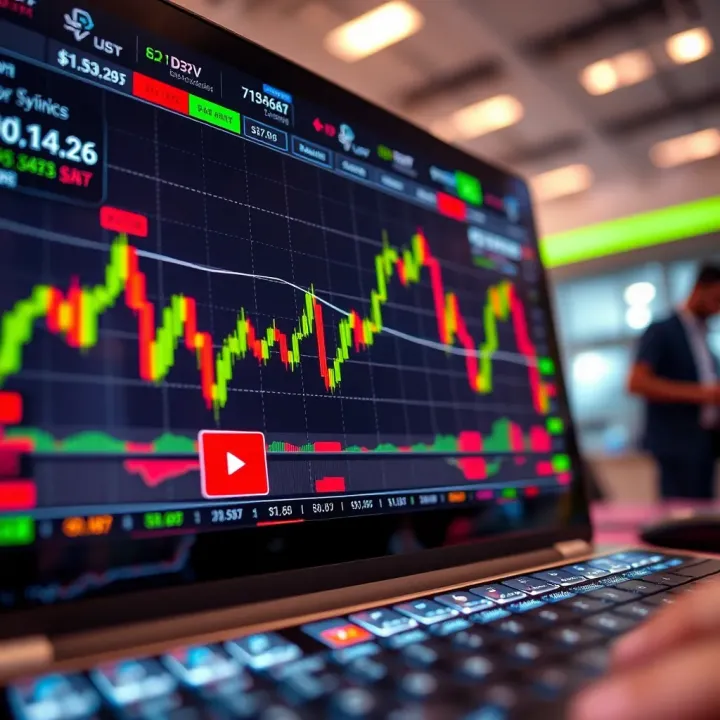
For Kenyan traders, blending the analytical power of TradingView with Deriv's flexible trading options offers a smart way to step up market decisions. TradingView provides detailed, real-time charting tools with indicators and drawing features that help unpack price movements across various assets. Deriv, on the other hand, brings a user-friendly platform to execute trades on Forex, commodities, and indices — all within reach on mobile or desktop.
This synergy lets traders analyse markets deeper before placing trades on Deriv, bridging the gap between observation and action. For example, a trader watching the Nairobi Securities Exchange (NSE) can use TradingView to spot trends or support levels on an equity chart before deciding on a Call or Put option within Deriv.
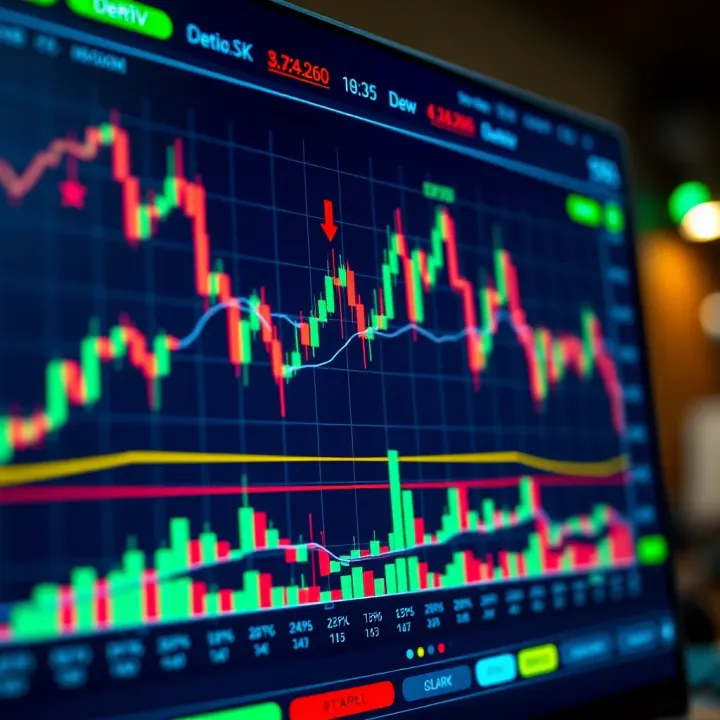
When used together, these platforms allow Kenyan traders to make informed choices backed by technical analysis, rather than relying on guesswork or rumours.
Key advantages include:
Advanced technical tools: TradingView offers dozens of indicators such as Moving Averages, RSI, and Fibonacci retracements which are not available on Deriv’s native chart.
Custom alerts: You can set alerts on TradingView for specific price levels or indicator signals that notify you in real time, ensuring timely trades on Deriv.
Multiple asset monitoring: Stay on top of Forex pairs, stocks, and commodities all in one view before opening corresponding trades on Deriv.
For traders new to combining the two, the process is straightforward. Start by setting up a TradingView account to access charts relevant to your preferred Deriv instruments. Link your market analysis with Deriv’s trading dashboard open alongside, so you can swiftly react to signals without switching apps.
With internet speeds improving across Kenya and mobile data costs lowering, integrating these tools is practical even on the go. Kenyan traders in Nairobi, Mombasa, or Kisumu now have better chances to stay competitive in volatile markets.
Through this article, we’ll explore how to set up accounts, use key TradingView features, and apply those insights directly on Deriv to enhance your trading strategy effectively.
Grasping TradingView's functionalities is vital before integrating it with platforms like Deriv. This knowledge helps traders exploit its powerful charting tools and community-driven insights to enhance market decisions specific to their trading style.
TradingView is a widely-used web-based tool offering interactive charts for stocks, forex, cryptocurrencies, and commodities. Its cloud-powered infrastructure means you can access your charts anywhere—whether on a laptop or phone—without needing to download complex software. In Kenya, where many traders use mobile devices on the go, this accessibility is a real advantage.
One of TradingView’s strongest points is its extensive selection of chart types and technical indicators. From basic moving averages to complex oscillators, the platform supports over a hundred indicators. For instance, a trader tracking forex pairs on Deriv can apply Relative Strength Index (RSI) and Bollinger Bands to spot entry or exit points. The ability to customise these tools suits both novices and advanced traders.
TradingView isn’t just a charting platform; it’s a social network where traders share ideas, strategies, and market forecasts. Kenyan users can follow local and international traders, view published charts, or join discussions. This peer interaction provides a practical way to verify analysis and stay updated on market sentiments.
Precision matters in trading. TradingView delivers real-time market data, ensuring traders act on up-to-date information. You can save your chart layouts and write custom scripts using Pine Script to fit your trading style. This level of tailoring supports unique strategies, especially when trading volatile assets on Deriv.
TradingView’s seamless sync between devices means your chart setups and notifications follow you everywhere. Whether a trader is in Nairobi using a desktop or in Mombasa on a mobile, they can check price changes and alerts promptly. This flexibility helps seize opportunities without being glued to a specific device.
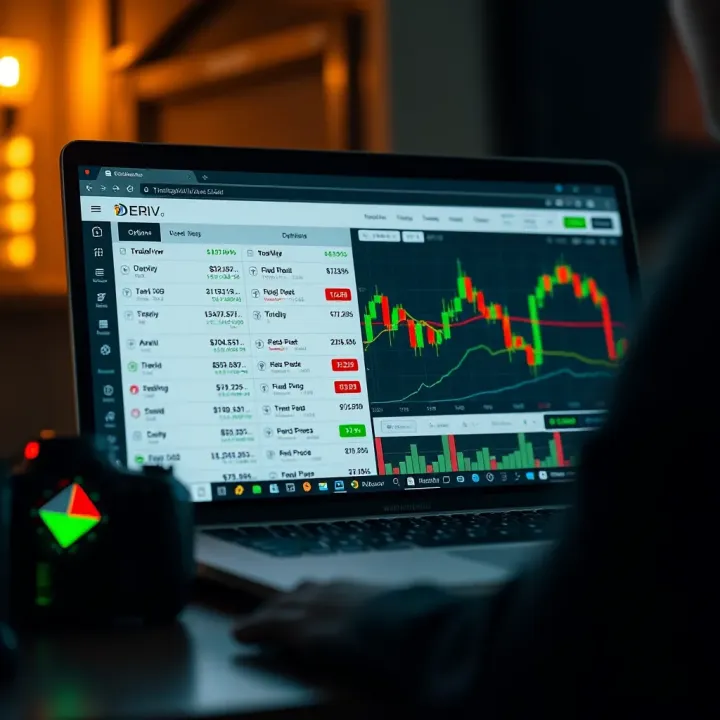
Beyond stand-alone use, TradingView integrates with various brokers and trading platforms—which includes Deriv. This connection allows traders to execute trades directly while monitoring charts. Such integration removes the hassle of switching between multiple apps and reduces the risk of missing a trading window.
Understanding TradingView’s core features sets the stage for smarter use with Deriv. Practical use of charts, indicators, and community insights improves market timing and risk management.
By appreciating these features, Kenyan traders can better navigate Deriv’s markets with clear visualisation and well-informed strategies.
Deriv’s trading platform offers a straightforward yet powerful way to engage with various financial markets. Introducing Deriv in this context is key because it sets the foundation for how traders can leverage its features alongside TradingView for more precise decisions. Understanding the markets, tools, and support Deriv offers will help Kenyan traders appreciate how to get the most value from this platform.
Deriv provides access to a wide range of markets including forex, commodities like gold and oil, stock indices, and synthetic indices that simulate real market movements but operate 24/7. This variety is practical for traders seeking to diversify without moving across multiple platforms. For example, a trader interested in forex can switch easily to synthetic indices during off-market hours to continue trading.
The platform also offers several trading options such as 'Rise/Fall', 'Touch/No Touch', and 'In/Out' that allow traders to manage risk and target specific market movements. These options are backed by features like stop-loss orders and limit settings, helping traders protect their capital and control exposure. Risk management tools like these are essential, especially for new traders or those trying to preserve profits in volatile markets.
Deriv’s user interface is designed with simplicity and speed in mind, which suits both beginners and more experienced traders. It allows quick access to charts, order history, and account balances, minimizing distractions. For instance, switching between trade types or assets requires only a few clicks, which can make a difference during fast-moving market conditions.
One major advantage for Kenyan traders is Deriv’s integration with popular payment methods like M-Pesa, which is widely used in Kenya. This makes depositing and withdrawing funds convenient and fast without the complications of international banking delays. Traders can add funds from their mobile wallets and start trading promptly.
Deriv also complies with Kenyan regulations, ensuring that its operations are transparent and secure. This compliance means Kenyan users can trust the platform to follow local laws about money transfer, taxation, and data protection. It also offers reassurance that funds and personal information are handled properly.
Customer support tailored for Kenyan traders rounds up the platform’s local relevance. The support service includes local language options and understanding of the regional context, which helps resolve issues quickly. For example, if a trader faces challenges with KSh deposits or withdrawals via M-Pesa, the customer service team can provide relevant and clear guidance.
Having a trader-friendly platform combined with locally adapted services like M-Pesa payments and regional support makes Deriv a good choice for Kenyan traders looking to use TradingView alongside it for smarter trading.
Using TradingView alongside Deriv offers traders a strong advantage in reading markets more clearly and acting faster. TradingView’s advanced charting tools enhance the trader’s ability to spot trends and patterns that can be acted upon immediately on Deriv’s trading platform. This combination is particularly useful for Kenyan traders looking to sharpen their market analysis and improve decision-making without jumping between multiple apps.
Improved market analysis with advanced tools
TradingView provides a wide range of technical indicators and drawing tools that surpass what is typically available on many platforms. For instance, you can use custom overlays, trendlines, Fibonacci retracement, and volume profiles all on one screen. These tools help spot entry and exit points more precisely. For example, if you’re trading forex on Deriv, layering Moving Average Convergence Divergence (MACD) and Relative Strength Index (RSI) on TradingView charts can reveal momentum shifts earlier than simple price observation.
Enhanced decision-making through visualisation
Visual clarity plays a big role in trading success. TradingView’s clean, interactive charts allow you to visualise price action in multiple ways—candlesticks, bars, line charts, and more. This flexibility helps you understand the market context better. When combined with Deriv’s real-time trade execution, you can translate insights into trades quickly, reducing hesitation and missed opportunities.
Access to multiple timeframes and indicators
TradingView lets you view the same asset across numerous timeframes, giving you a fuller picture. For example, while monitoring the 5-minute chart for short-term moves, you can also keep an eye on hourly and daily charts for overall trend direction. Deriv supports trading on these various timeframes, so this synchronicity is crucial. Plus, the ability to apply dozens of indicators helps tailor strategies to your preferred markets, whether it’s forex, commodities, or synthetic indices.
Step-by-step setup guide
Start by opening a TradingView account and setting up your desired charts with preferred indicators. Then, log into your Deriv account in another window or on a different device. While Deriv doesn’t directly integrate TradingView, you can use TradingView charts as a reference side-by-side with Deriv’s trading terminal. Some traders even use multiple monitors or split-screen on mobiles to monitor live TradingView charts while placing trades on Deriv.
Using TradingView alongside Deriv's interface
Keep your TradingView charts open in the background or on a second screen. As you track indicators and price action, switch to Deriv’s platform to place orders based on your analysis. This method lets you double-check signals and market conditions before trading. For example, if TradingView’s chart shows an oversold signal on an RSI indicator, you can confirm the Deriv market conditions before executing a buy.
Tips for synchronising data and chart views
Synchronise your TradingView and Deriv charts by selecting the same asset and timeframe on both platforms. This alignment ensures the data you analyse matches what’s available for trading. Set alerts on TradingView for key levels or indicator crossovers to get notified in time, so you don’t miss crucial moments. Also, keep an eye on time zones; adjusting TradingView’s market time settings to East Africa Time helps match Deriv’s market hours closely.
Combining advanced charting from TradingView with Deriv’s robust trading options gives Kenyan traders a more complete toolkit for smarter decisions and better timing in markets.
This approach requires some patience and practice but adding these tools together makes your trading sharper and less guesswork-driven in an environment where every second counts.
Kenyan traders tapping into TradingView alongside Deriv must grasp practical settings and risk management for better results. TradingView offers powerful customisation, but without optimising to Deriv’s market conditions, many opportunities might slip by. Likewise, Deriv has unique market hours and volatility that require awareness to avoid costly mistakes. These practical tips focus on real concerns Kenyan traders face and how to handle them effectively.
Customising technical indicators for specific assets is key because different markets behave differently. For example, forex pairs like USD/KES may respond better to moving averages and RSI indicators due to their liquidity and trending nature. On the other hand, synthetic indices on Deriv, which mimic volatile market behaviour, often need oscillators like the Stochastic or Bollinger Bands to spot abrupt swings. Traders should test and adjust the sensitivity of indicators based on Deriv’s specific assets rather than relying on defaults designed for stock markets.
Setting alerts and notifications helps keep traders on their toes without staring at charts all day. You can configure TradingView to send mobile or email alerts when prices hit critical levels on Deriv’s markets. For instance, setting a price alert near a key support zone on the Volatility 75 index means you get notified the moment conditions change, allowing prompt response. Alerts save time and reduce missed trades, especially for busy Kenyan traders juggling jobs or businesses alongside trading.
Managing time zones and market hours is often overlooked but affects trade timing heavily. Deriv’s markets run around the clock with some markets like forex open on weekdays while synthetic indices operate all hours, including weekends. TradingView aligns chart times to your local time zone by default, but Kenyan traders need to verify that alerts and analysis match Deriv’s actual market hours. This avoids premature actions or missed trading windows because of clock mismatches.
Understanding volatility in Deriv markets is crucial as these markets, especially synthetic indices, are known for quick and sharp price moves. Unlike traditional securities, volatility here can spike during specific hours or events and demands tighter risk controls. Kenyan traders should watch historical volatility patterns on TradingView charts before committing large amounts and avoid jumping in during erratic phases without clear trends.
Using stop-loss orders and limits protects your capital from unexpected swings. Deriv allows you to place stop-loss levels that automatically close trades at pre-set losses, ideal for fast markets. For example, if you trade USD/JPY on Deriv and the price suddenly gaps, your stop-loss prevents deeper losses. Setting realistic stop-loss and take-profit levels prevents emotional decisions driven by fear or greed and keeps trading aligned with strategy.
Responsible trading habits include setting daily loss limits, avoiding overtrading, and keeping a trading journal. Since Deriv’s platforms offer leveraged products, temptation to over-leverage is high. Kenyan traders should approach trades with a clear plan and limit trades to a small portion of their capital, reflecting genuine affordability. Responsible habits also mean stepping back after losses to reassess rather than chasing losses recklessly.
Following these practical tips will help Kenyan traders get the most from merging TradingView’s powerful analytical tools with Deriv’s flexible trading options while protecting their funds and trading calmly.
Trading with TradingView alongside Deriv gives you a powerful combo, but it's not without hitches. Recognising common challenges helps you stay efficient and avoid costly mistakes. For many Kenyan traders, issues like technical glitches or emotional decisions can easily throw off your trading strategy. Understanding these challenges lets you act faster and keep your trading smooth and profitable.
Connectivity and data syncing problems often catch traders off guard. Reliable internet is vital since both platforms depend on real-time data updates. In Kenya, network interruptions can happen, especially in rural areas. If data isn’t syncing well, your charts might show outdated prices, leading to poor trade timing. To avoid this, ensure you use a stable connection or consider a backup mobile data option. Also, refreshing your browser or the app can sometimes fix syncing delays promptly.
Chart lag and performance optimisation can slow you down during active trading. TradingView uses rich charts with many indicators, which can consume bandwidth and computing power. When combined with Deriv’s live trading platform, this may cause lag, especially on older devices or slower connections. To reduce lag, limit unnecessary indicators on your charts, close unused tabs, and clear your browser cache frequently. Switching to a lightweight browser or using desktop apps where possible might also help deal with performance dips.
Troubleshooting login and access concerns is another practical challenge. Sometimes, traders experience issues logging into either platform due to forgotten passwords, account lockouts, or regional restrictions. In Kenya’s context, make sure you have registered with accurate details, including your KRA PIN if needed for KRA compliance on Deriv. For password resets, use the official channels, and watch out for phishing attempts – never share your login details. Keeping two-factor authentication active adds extra security and reduces access problems.
Over-reliance on indicators without analysis often leads traders astray. While TradingView offers numerous technical indicators like RSI or MACD, depending on them blindly is risky. Markets react to many factors beyond charts, so blend indicator signals with your own analysis of price trends and volumes. For example, a buy signal from RSI might seem perfect, but if major news points to market uncertainty, it’s wise to hold back.
Ignoring market news and fundamentals can quickly wipe out your gains. Even with the technical edge from TradingView, vital events like CBK interest rate changes or unexpected elections can swing asset prices. Kenyan traders should always keep tabs on local and global financial news, including NSE updates or currency shifts, to adjust strategies timely. Integrating fundamental alerts with your trading routine makes a big difference.
Emotional trading pitfalls are the silent killers. Fear and greed often lead to rash decisions, such as chasing losses or doubling down too soon. Using TradingView's alert functions on Deriv can help you stick to your plan instead of reacting emotionally. Set clear stop-loss points and commit to them. Remember, successful trading is about discipline – it’s better to skip a tempting trade than to dive in without a clear strategy.
Practical awareness of these challenges not only saves you from technical frustrations but also protects your capital by promoting sound trading habits. Kenyan traders who prepare and manage these obstacles tend to trade smarter and grow their portfolio steadily.
📈 Learn how to integrate Deriv with TradingView for a smoother trading experience. Discover setup steps, tech needs, benefits, and tips for Kenyan traders.
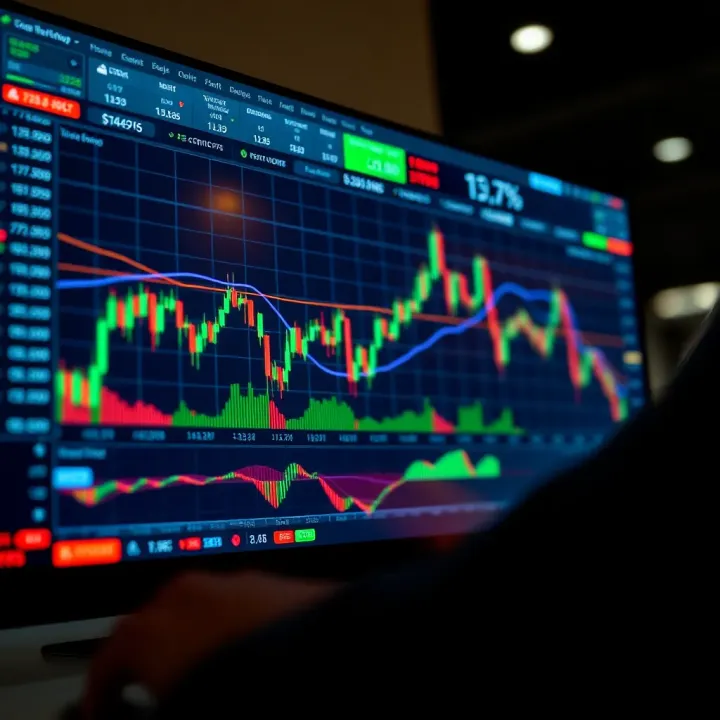
📈 Learn how to use TradingView with Deriv to analyze charts, monitor signals, and boost your trading decisions effectively in Kenya's market.
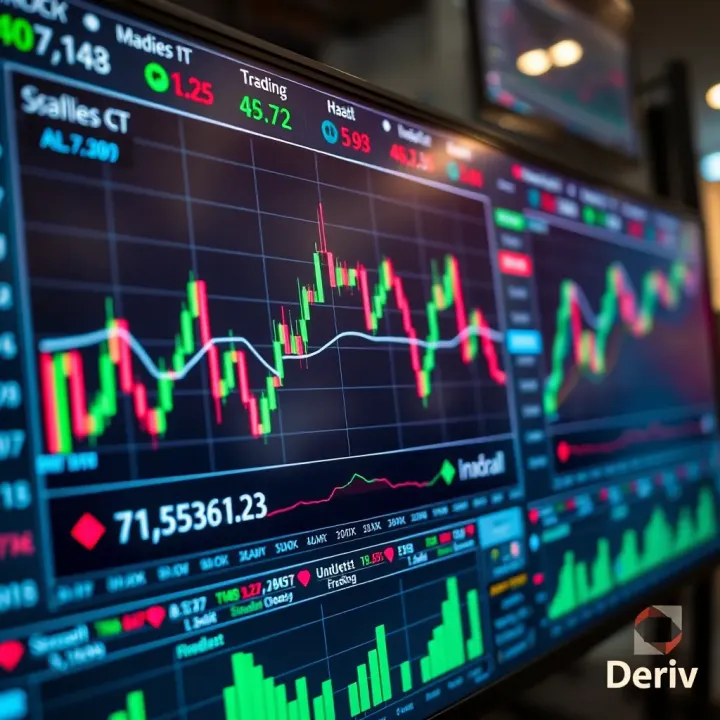
Explore Deriv trading in Kenya 📈 - learn how to trade forex, commodities & indices safely, master strategies, manage risks, and make smart investment choices.
Learn how Kenyan traders can use Deriv for forex trading 📈. Get tips on starting, managing risks, and understanding local regulations to trade smartly.
Based on 10 reviews