
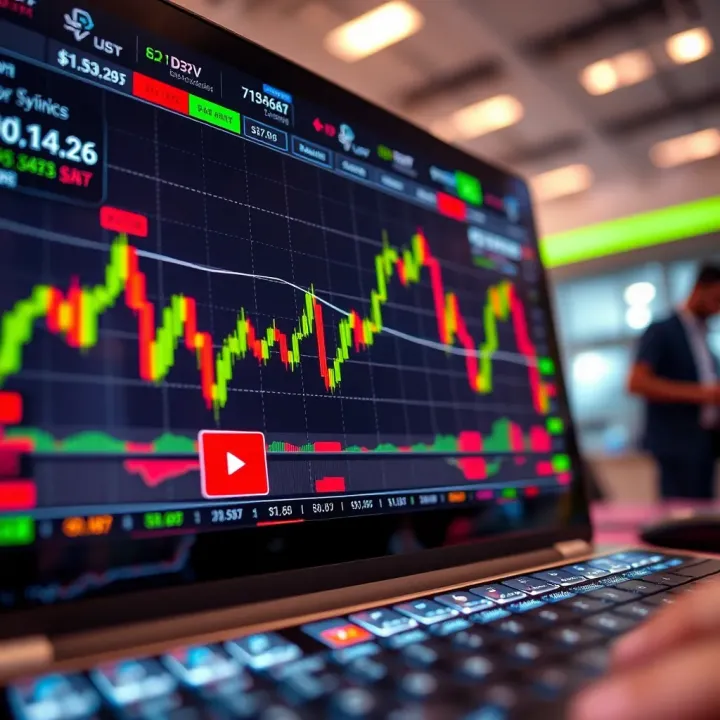
Guide to Deriv Forex Trading in Kenya
Learn how Kenyan traders can use Deriv for forex trading 📈. Get tips on starting, managing risks, and understanding local regulations to trade smartly.
Edited By
Sophie Clarke
The London forex trading session is one of the busiest and most influential periods in the global forex market. For Kenyan traders, understanding when this session operates in their local time is essential for planning trades and managing risks effectively.
London operates on Greenwich Mean Time (GMT) during winter months and British Summer Time (BST, GMT+1) in summer. Kenya, however, stays on East Africa Time (EAT), which is GMT+3 year-round. This means that during London’s winter period (late October to late March), the London session runs from 10:00 am to 7:00 pm Kenyan time. In summer, it shifts an hour earlier to 9:00 am to 6:00 pm Kenya time.

For most Nairobi traders, the London session overlaps with the late morning to early evening hours, making it convenient to engage with forex markets during working hours or just after.
This timing matters because the London session covers the trading activity of major European banks, financial institutions, and hedge funds. It often sets the tone for daily market trends and tends to bring higher liquidity and volatility than other sessions. For currencies like the British pound (GBP), euro (EUR), and Swiss franc (CHF), this session sees the heaviest trading volumes.
Kenyan traders should pay attention to specific periods within the London session for optimal trading opportunities. The first few hours after the London open—between 9:00 am and 11:00 am EAT—usually feature sharp movements as markets digest overnight news from Asia and early European developments. Similarly, the overlap between the London and New York sessions (3:00 pm to 6:00 pm EAT) often results in heightened volatility, which can produce good chances for profit.
To sum it up:
Winter timing: London session runs 10:00 am to 7:00 pm Kenya time
Summer timing: London session runs 9:00 am to 6:00 pm Kenya time
Key trading hours: Early session hours and London-New York overlap
By matching the London forex session with Kenya’s local time, traders can organise their schedules more efficiently, focus on active market periods, and apply strategies aligned with periods of high liquidity and price movement. This practical approach can improve decision-making and risk management when trading forex from Nairobi or other parts of Kenya.
Understanding the London trading session is vital for Kenyan forex traders because it holds a significant chunk of the day's market activity. This session bridges the overnight Asian session and the later New York session, creating a window where liquidity and volatility typically increase. For a Nairobi-based trader, knowing how this session unfolds helps in timing trades right and maximising opportunities.
The London session is the busiest forex trading period globally due to London's status as a financial centre. It marks the start of the European trading day, attracting traders who focus on major currency pairs like EUR/USD, GBP/USD, and USD/CHF. Since London deals with large volumes, price movements tend to be clearer and more reliable. For example, when the session opens, you might see sharp moves caused by European economic data releases or central bank announcements.
London serves as a global hub for forex trading, accounting for over 30% of daily forex turnover. Many multinational companies and investment banks operate here, influencing currency flows. For instance, a London-based bank settling a large transaction can impact currency values instantly. This session also overlaps with other markets such as Frankfurt and Paris, enhancing trading volumes. This interplay makes the London session a focal point for traders worldwide, including those in Kenya, as it guides subsequent market trends.
The London session officially runs between 8 am and 4 pm GMT during the standard time and shifts an hour ahead to 9 am to 5 pm during British Summer Time (BST), which starts in late March and ends in October. Kenyan traders need to note this adjustment because Nairobi is usually three hours ahead of GMT but only two hours ahead during BST. So, when London switches to BST, afternoon trading in Nairobi starts earlier than before, affecting the trader’s daily schedule.
Timing and knowing when the London session is active in Kenyan time allows traders to plan their market entries and exits with greater confidence and avoid inactive hours when spreads widen and volatility drops.
By grasping these essentials about the London trading session, Kenyan traders can better position themselves to react to market shifts and improve their forex trading results.
London and Nairobi are in different time zones, making it necessary to know the exact time difference when planning trades. Nairobi operates at East Africa Time (EAT), which is UTC+3 throughout the year. London, however, switches between Greenwich Mean Time (GMT, UTC+0) and British Summer Time (BST, UTC+1) depending on the season. For example, during GMT (usually late October to late March), Nairobi is 3 hours ahead of London. This means when the London session opens at 8:00 am GMT, it is already 11:00 am in Nairobi.
One of the trickier aspects of converting London session times is accounting for daylight saving time (DST). London shifts its clocks forward by one hour to BST around the end of March and back to GMT at the end of October. During BST, Nairobi is only 2 hours ahead of London. So, if the London session officially opens at 8:00 am BST, it corresponds to 10:00 am in Nairobi. Kenyan traders need to be mindful of this twice-yearly change because it affects the exact local time to watch for market openings and closings.
Ignoring these seasonal time changes often leads to missed opportunities or poor timing, especially when trading volatile currency pairs that react sharply during active hours.
Knowing the precise trading hours in local time helps Kenyan traders plan their day without guesswork. When London is on GMT, the London session begins at 11:00 am EAT and closes at 8:00 pm EAT, running from 8:00 am to 5:00 pm London time. During BST, the session shifts earlier, starting at 10:00 am and ending at 7:00 pm Nairobi time. To illustrate, a Nairobi-based trader wanting to catch the first hour of the London session would need to tune in at 10:00 am from late March to late October, and 11:00 am the rest of the year.

By converting London trading hours into Kenyan time accurately, traders gain a strategic edge. They can avoid trading during slow periods and focus on times when the market sees the highest activity and liquidity, notably during the London session overlaps with other forex centres like New York, enhancing profit potential.
This clear understanding of London session timings tailored to Kenyan time ensures you are never out of sync with the forex market pulse, which is crucial for making timely and informed trading decisions.
Knowing the best times to trade during the London session is vital for Kenyan traders aiming to make the most of market movements. The London market is one of the busiest in the forex world, and being tuned to its peak activity helps you spot opportunities and avoid quiet periods when price changes are slow.
The London session officially runs from 9 am to 5 pm London time. For Kenyan traders, this usually translates to 11 am to 7 pm East Africa Time (EAT) unless daylight saving time applies in the UK. The most active hours typically fall between 10 am and 4 pm EAT. During these hours, volatility increases and many forex pairs, especially those involving the euro and the British pound, experience significant price swings.
For example, a Kenyan trader observing the GBP/USD pair around 2 pm EAT might notice sharp movements linked to London’s market opening routines or major financial announcements. Trading during peak hours enhances the chance of tighter spreads and quicker execution, crucial for day traders and scalpers.
A key factor in timing trades is understanding when London’s session overlaps with other major markets—primarily the New York and Tokyo sessions. The London-New York overlap happens from roughly 4 pm to 7 pm EAT, offering the highest liquidity and volatility as traders in both financial centres push the market.
Conversely, the London-Tokyo overlap is shorter and less volatile, occurring in the early London hours (11 am to 12 pm EAT). While less dramatic, this can still present good opportunities, especially for currency pairs involving the Japanese yen.
For a Kenyan trader, this overlap means you might want to adjust your trading schedule to catch the London-New York window when many big moves happen, especially if trading USD pairs.
Liquidity reflects how easily you can buy or sell a currency without affecting its price. During peak London session hours and overlaps, liquidity rises sharply—trading volumes surge, spreads tighten, and price movements become more predictable.
Higher liquidity benefits Kenyan traders by lowering transaction costs and allowing faster entry and exit from trades. For instance, during the London-New York overlap, you might find better prices on EUR/USD or USD/GBP pairs compared to quieter periods.
On the flip side, trading outside these times can mean wider spreads and less predictable moves, which increase risks. A Kenyan trader placing orders late evening Nairobi time might face slippage or delayed fills, reducing profitability.
Timing your trades around London's busiest hours and session overlaps gives you the best shot at capturing profits with controlled risk. Planning your day to match these windows, even if it means adjusting typical work hours, can make a marked difference.
In summary, Kenyan traders should target the London session’s busiest periods—especially 10 am to 4 pm EAT and the late afternoon overlap with New York—to maximise liquidity, tighten spreads, and seize strong market moves. This practical timing approach aligns with Nairobi's daily rhythm and helps traders stay competitive in global forex markets.
The London trading session holds significant influence over global forex market behaviour, and understanding this impact helps Kenyan traders anticipate market moves. Because London is a major financial hub, activity during this session often sets the tone for the entire trading day. For Kenyan investors, recognising these patterns is key to planning profitable trades and managing risks effectively.
Volatility during the London session tends to be higher compared to other sessions, especially in the first few hours after opening. This increased price movement offers more trading opportunities but also raises risks. For instance, currency pairs like GBP/USD and EUR/USD commonly show sharp swings between 10 am and noon Nairobi time. Traders should be ready for sudden spikes and dips that can either boost profits or cause losses.
Volatility often peaks during the overlap with the New York session in the afternoon, between 4 pm and 6 pm Nairobi time. At this point, liquidity improves as traders on both continents participate heavily. Kenyan traders who pay attention to these volatility windows can better time their entries and exits.
The London session affects numerous currency pairs, but it especially impacts those involving the British pound (GBP) and the euro (EUR). Pairs such as GBP/USD, EUR/GBP, and EUR/USD become particularly active. This is because financial institutions in London directly influence these markets through large trades and hedging activities.
Additionally, cross-currency pairs like EUR/CHF and GBP/JPY may also show increased activity during this time. Conversely, pairs like USD/JPY and AUD/USD often see less movement until the Asian session overlaps or the New York session starts. Kenyan traders focusing on GBP and EUR pairs during the London session may find better liquidity and tighter spreads.
Economic news releases from the UK and Europe play a big role in shaping forex market behaviour during the London session. Key indicators such as the UK unemployment rate, Bank of England (BoE) interest rate decisions, and inflation data can cause rapid market shifts.
For example, a surprise cut or raise in the BoE interest rates can send the GBP sharply up or down against other currencies. Kenyan traders monitoring economic calendars will spot these events in advance and prepare accordingly, either by tightening stop losses or scaling back exposure.
Staying updated with London’s economic news is vital. It can mean the difference between riding a profitable wave or getting caught on the wrong side of a sudden market move.
Understanding these dynamics is crucial for Kenyan traders to navigate the London session confidently. The blend of volatility, currency focus, and economic releases creates a unique trading environment that demands alertness and strategy.
Trading during the London Forex session requires strategies tailored to its unique market dynamics. Kenyan traders benefit by adapting their approach to match the session’s high liquidity and volatility. Practical strategies help manage risks and spot opportunities when European markets overlap with others.
Scalping suits the London session because price movements tend to be swift and well-defined. Kenyan traders can take advantage of small price changes within short time frames, often holding positions for minutes. For instance, a trader might focus on GBP/USD or EUR/USD pairs, entering the market when volatility peaks around London’s morning hours and exiting quickly to lock profits. Day trading works well too, especially during overlap periods when the London session coincides with New York hours, providing broader market moves.
With volatility comes risk, and it’s vital for Kenyan traders to use stop-loss orders to shield their capital. During the London session, unexpected announcements or economic news from the UK can cause sudden price swings. For example, if the Bank of England releases a rate decision, the market may react sharply within minutes. Traders should size their positions carefully and avoid over-leveraging. Using a risk-reward ratio of at least 1:2 helps ensure that potential profits justify the risks taken.
"Managing risk isn’t just about avoiding losses; it’s about sustaining your ability to trade another day."
Kenyan traders should combine technical tools like moving averages, RSI, and Fibonacci retracements with fundamental news to time their trades better during the London session. Technical indicators help spot entry and exit points in the fast-moving session. Meanwhile, monitoring economic indicators such as UK inflation data or European Central Bank updates provides context on why currency pairs might trend. For example, integrating a daily chart trend with hourly breakouts can offer clearer signals amidst London session noise.
By using these approaches, Kenyan traders position themselves to make informed decisions during the busy London Forex session. Success demands discipline, timely reactions to news, and effective risk control aligned with the session’s characteristics.
Trading forex during the London session offers exciting opportunities for Kenyan traders, but having practical strategies is key to making the most of this time. Since the London session overlaps with Nairobi time during the day, understanding how to navigate the market, picking the right brokers, timing your trades effectively, and using suitable tools can improve your forex outcomes significantly.
Picking a reliable broker is the first step when you want to trade the London forex session from Kenya. Look for brokers with direct access to the London interbank market or those offering ECN (Electronic Communication Network) accounts to ensure competitive spreads and quicker order execution. For example, brokers like FXTM, Pepperstone, and IG provide excellent access to major London liquidity pools.
Additionally, confirm that your chosen broker offers transparent pricing, minimal slippage, and fair trading conditions during London trading hours. Clients should also check if the broker supports popular Kenyan payment methods such as M-Pesa for deposits and withdrawals, which makes fund management easier without unnecessary delays.
Since Nairobi is three hours ahead of London during Greenwich Mean Time (GMT) and two hours ahead when London observes British Summer Time (BST), aligning your trading schedule with typical London market hours helps you tap into peak liquidity periods. For instance, from 11:00 am to 7:00 pm Nairobi time, the London forex market is active, allowing you to trade with good volume.
Try to avoid trading when the London session is winding down, as volatility can drop, increasing the chances of sideways price action. Balance your trading hours with your daily routine, such as avoiding late-night trades that can disturb rest or busy work periods. Perhaps take advantage of the early morning overlap between the London and Tokyo sessions for unique opportunities if you can manage the timings.
Good traders stay informed. Using tools that provide real-time updates on London market hours and economic events can give you a trading edge. Economic calendars from platforms like Investing.com or Forex Factory show scheduled financial news releases from London such as Bank of England announcements or UK CPI data, which often move the market.
Price action indicators, volume monitors, and live charts on trading platforms like MetaTrader 4 or TradingView help monitor market behaviour during the London session. Kenyan traders should also consider setting alerts for key market opens or highs and lows during the London trading hours to react swiftly.
Keeping your trading aligned with practical aspects like broker choice, daily timing, and relevant tools significantly improves consistency and profitability when trading the London forex session.
By applying these tips, you give yourself a better chance in one of the world’s most liquid trading environments right from Nairobi. Always test strategies on demo accounts first and keep refining your approach as you gain experience.
Learn how Kenyan traders can use Deriv for forex trading 📈. Get tips on starting, managing risks, and understanding local regulations to trade smartly.

⌚ Discover the best times to trade Forex in Kenya! Learn how market sessions, timing, and strategies affect your trading success and risk control. 📈🌍

Learn how Kenyan investors can benefit from copy trading 📈 Explore top platforms, strategies, risks, and tips for trading like the pros successfully.

🤖 Explore how forex bot trading works in Kenya, its pros, risks, and tips on choosing and managing automated systems for smarter trading decisions.
Based on 7 reviews