

Understanding Olymp Trade in Kenya: A Practical Guide
Explore Olymp Trade in Kenya 📈: Learn how to trade safely, use M-Pesa for payments, navigate legal matters, and start trading practical tips for Kenyan traders 🇰🇪
Edited By
Matthew Green
Olymp Trade has drawn a lot of attention among Kenyan traders curious about online trading. The platform promises chances to trade stocks, commodities, forex, and cryptocurrencies with relatively simple tools and low minimum deposits. But the main question Kenyan users often ask is whether Olymp Trade is truly legitimate or just another scam looking to take their hard-earned shillings.
To get to the heart of the matter, it helps to understand what Olymp Trade is and how it operates. Founded in 2014, it’s an online trading platform that allows users to speculate on price movements of various financial instruments through options trading and forex. The crucial point is that Olymp Trade is registered and regulated by the International Financial Commission (FinaCom), an independent body which provides dispute resolution and compensates clients in cases of broker misconduct.
However, regulation doesn’t guarantee a smooth ride. Many have voiced concerns over withdrawal delays, platform glitches, and aggressive marketing tactics, which are red flags Kenyan traders should mind. Still, it’s not unusual for online trading platforms to have such complaints, especially given the fast-paced and sometimes volatile nature of financial markets.
Important: Online trading is risky everywhere. You should only invest money you can afford to lose, and have clear strategies rather than blindly following tips or signals.
For Kenyans, Olymp Trade offers convenient payment options like M-Pesa, which eases deposits and withdrawals. Also, it supports the local currency, avoiding costly conversion charges. But beware of the risks: trading without enough knowledge or falling for promised quick profits can drain your funds fast.
To summarise, Olymp Trade is a regulated platform that offers real trading opportunities, but it requires careful use and awareness of the risks involved. This article will take a closer look at user experiences, the safety of funds, and practical advice on trading smartly on Olymp Trade from a Kenyan point of view.
Before joining any trading platform, it’s key to understand what Olymp Trade offers and how it functions. This knowledge helps Kenyan traders assess if the platform aligns with their trading needs and risk appetite. Clarity on services prevents surprises, whether about the types of assets you can trade or how the system executes your trades.
Olymp Trade presents itself as an online trading platform with a user-friendly interface. It offers options trading alongside Forex trading, allowing users to choose between fixed time trades and classic Forex trades. This dual setup provides flexibility; for instance, a trader might want to speculate on currency pairs within minutes or hold positions longer on Forex markets. The platform’s accessibility via both web and mobile apps suits traders on the move, especially those in Nairobi or other towns juggling trading with daily commitments.
Olymp Trade provides two main account types: a demo account and a real account. The demo account helps beginners practise with virtual money, usually around KSh 500,000 equivalent, before risking real funds. For real accounts, the minimum deposit is relatively low—about KSh 1,000—making it accessible for Kenyan traders who want to start small. Besides the usual account, there are sometimes upgraded types letting users trade higher volumes or access premium advice, but each increases minimum deposit and risk.
When you place a trade on Olymp Trade, the platform matches it with market conditions instantly. In fixed time trades, you bet on the direction of an asset’s price within a set timeframe. For Forex trades, you can hold positions as long as you like, profiting from price changes and using tools such as stop-loss orders. Execution speed matters because delays can affect your outcomes, and Olymp Trade claims quick order processing which is vital for competitive trading.
Forex trading on Olymp Trade covers popular currency pairs like USD/KES (US Dollar/Kenyan Shilling), EUR/USD, and GBP/USD. Forex’s appeal lies in its liquidity and continuous market hours, which attract traders seeking both short-term and long-term gains. For Kenyan traders especially, having access to USD/KES pairs can provide practical opportunities to hedge against forex fluctuations affecting import prices or remittances.
Besides currencies, Olymp Trade offers stocks from global companies and commodities such as gold, oil, and silver. For example, you could speculate on the price of Brent crude oil or shares of Apple. These markets add diversification options and might suit traders who follow international economic news or commodity price trends affecting Kenya directly, such as oil.
Cryptocurrency trading includes Bitcoin, Ethereum, and other major coins. This gives traders exposure to an asset class known for high volatility, which can lead to quick profits or losses. Indices like the NASDAQ or FTSE represent bundled stock performances, offering a broader market view. These are useful for Kenyans interested in the pulse of major economies or the tech sector without buying individual shares.
Getting familiar with these service offerings helps Kenyan traders approach Olymp Trade with clear expectations, knowing what’s on the table and how to navigate market options effectively.
Understanding the licensing and regulation of Olymp Trade is essential for any Kenyan trader thinking of using the platform. Regulation provides a level of protection, ensuring the platform operates under clear legal frameworks and adheres to certain standards. Without proper regulation, traders risk exposing themselves to dishonest or unscrupulous operators.
International regulation status: Olymp Trade is registered under the International Financial Commission (FinaCom), which acts as an independent dispute resolution body for traders across borders. While FinaCom offers some mediation and compensation, it is not a full financial regulator like those governing stock exchanges or banking institutions. This means Olymp Trade doesn't hold licences from major international financial regulators such as the Financial Conduct Authority (FCA) in the UK or the Securities and Exchange Commission (SEC) in the US. For Kenyan traders, this implies that although Olymp Trade has some oversight, it's not regulated by the strictest global standards that normally bring higher investor protections.
Kenya’s regulation and licensing environment: The Capital Markets Authority (CMA) is Kenya’s main regulator for investment and trading platforms. Currently, Olymp Trade does not have a CMA licence. This is significant because Kenyan law expects firms offering investment services to local traders to be registered with CMA. Without this, traders have limited recourse if issues arise, and the platform may operate in a legal grey area within Kenya. That said, many international platforms offer services to Kenyans without local licences, so it's wise to be cautious and understand the limitations in protections.
What regulation means for traders: A proper licence ensures that a platform follows rules about fund segregation, transparency in charges, timely withdrawals, and dispute handling. For example, Kenyan platforms regulated by CMA have to keep clients’ money separate from company funds, reducing the risk of losing your investment due to company insolvency. Regulation also usually requires platforms to publish financial reports and undergo audits. For traders, this means better safety and often quicker problem resolution. Lacking such regulation, platforms may not be held accountable in the same way.
Company registration details: Olymp Trade is operated by a company registered in Saint Vincent and the Grenadines, a jurisdiction known for less stringent financial regulations. This affects transparency since detailed company reports and financial disclosure might not be publicly available or as thorough compared to firms registered in stricter jurisdictions. Kenyan traders should note this when evaluating where their funds will be held and the legal protections applicable.
Reviews from regulatory bodies: So far, no major regulatory bodies have flagged Olymp Trade as fraudulent. The platform appears on various blacklist and warning lists occasionally but not consistently. It's best to check updates from CMA and international watchdogs regularly, as these authorities occasionally issue advisories against unlicensed operators. Positive reviews from regulatory organisations offer added comfort, yet their absence doesn’t automatically imply a scam.
Common red flags to watch:
Lack of local licence: Operating in Kenya without CMA licensing raises concerns.
Unclear terms and conditions: Hidden fees or complicated withdrawal restrictions are warning signs.
Unresponsive customer support: Difficulty in getting help can indicate risks.
When in doubt, test the platform with minimal deposits and verify all terms before committing large sums. A cautious approach minimises potential losses.
Being aware of these points helps Kenyan traders decide if Olymp Trade meets their risk appetite and expectations regarding safety and regulatory compliance.
Understanding real experiences from both Kenyan and global users sheds light on how Olymp Trade performs in everyday trading scenarios. These accounts give practical evidence beyond company claims, helping you assess whether this platform suits your trading needs. Feedback from actual users can reveal strengths, weaknesses, and common challenges, which is vital for traders considering using Olymp Trade.
Many Kenyan traders appreciate Olymp Trade’s clean and straightforward interface. The platform presents tools and charts clearly without overwhelming newcomers, making it accessible for those still learning technical analysis. For example, a trader in Nairobi mentioned how quickly he got used to placing trades on both desktop and mobile, comparing it favourably to clunkier local trading apps. This ease of use can speed up decision-making, reducing costly mistakes.
Good customer support builds trust, especially if you encounter technical or account issues. Some users report quick response times from Olymp Trade’s support team, available through chat and email. This helps resolve questions about deposits, withdrawals, or platform features in a matter of hours rather than days. However, it’s useful to keep realistic expectations; support quality may fluctuate, depending on volume and time zones.
Positive feedback often highlights smooth withdrawal methods, an essential factor for Kenyan traders who rely on local payment options such as M-Pesa. Many mention getting their funds within a few business days without excessive fees, noting that Olymp Trade provides multiple payout choices. This reliability encourages confidence that your earnings can be accessed easily when needed.
Some traders have raised concerns about sudden account blockages, which can be frustrating. These often happen if the platform suspects unusual activity or lacks certain identity verification documents. A Kenyan trader shared how his account was temporarily frozen after a high-volume transaction, requiring him to submit additional paperwork. This highlights the need to maintain up-to-date verification to avoid interruptions.
While many withdrawals proceed smoothly, some users experience delays especially during peak periods or when currency conversions are involved. For instance, doubts about why the payout took longer than the promised timeframe appear in reviews. This suggests it’s wise to plan withdrawal timing carefully, allowing for possible wait times, especially before important financial commitments.
Some traders report unexpected fees around deposits or withdrawals, such as charges by their local banks or intermediary services. While Olymp Trade is generally transparent on its side, additional costs from payment providers or currency conversion can catch users off guard. Kenyan users should factor in these possible extras when evaluating trading costs to avoid surprises that eat into profits.
Listening to both praise and criticism from actual Olymp Trade users helps you get a balanced view before committing money. Such insights can guide how to prepare for common situations and mitigate risks effectively.
By weighing these hands-on experiences, Kenyan traders can better judge if Olymp Trade fits their trading style and expectations.
Trading on platforms like Olymp Trade carries inherent risks that every Kenyan trader should understand before committing any money. Knowing these risks helps you make smarter decisions and avoid surprises that can turn your trading experience sour. This section highlights key factors such as market volatility, leverage, potential scams, and how you can protect yourself while navigating the platform.
Financial markets are unpredictable, and prices can change rapidly within seconds. For instance, currency pairs or commodities may experience swings due to economic announcements, political events, or global crises. As a Kenyan trader, you might notice sudden changes during important moments like Kenya’s election period or oil price shifts affecting regional markets.
These fluctuations mean you can gain or lose money quickly. If you invest KS0,000 in a trade and the market moves unfavourably, you may lose most or all of your investment. Understanding this is vital because trading isn’t a guaranteed way to make money — the ups and downs can be sharp and fast.
Leverage lets you control a larger position with a smaller amount of money, which sounds appealing but comes with added risk. For example, if you use 10x leverage with KS,000, you actually trade as if you had KS0,000. While this can amplify profits, it equally multiplies losses.
Margin is the security deposit you put up when using leverage; if the market moves against you, the platform may close your position automatically to prevent further losses, often called a margin call. Many new traders underestimate how quickly losses build up with leverage, so it’s wise to start with low or no leverage until you fully grasp how it works.
Sadly, some pretend to be trustworthy platforms but aim to steal money or personal details. Fake sites might copy Olymp Trade’s look or offer unrealistically high returns to lure traders. In Kenya, where online scams are rising, always check carefully if the website is genuine.
Scammers sometimes disappear right after receiving deposits or make withdrawal impossible. Protect yourself by verifying the platform’s credentials, reading reviews from credible sources, and never sharing sensitive information without confirmation.
Before committing money, confirm Olymp Trade’s legitimacy by checking if it’s licensed by recognised regulators and registered as a company. Kenyan traders should also see if the platform complies with local laws or if users have positive feedback regarding deposits and withdrawals.
Avoid platforms with unclear terms, aggressive marketing pitches, or those that refuse to provide verifiable contact details. Trustworthy platforms usually provide transparent policies and have readable reviews online.
Trading is not a quick path to wealth—expecting to double your investment overnight usually leads to disappointment. Many Kenyan traders have been caught up by social media posts boasting huge profits, but the reality involves patience, learning, and acceptance of losses.
Knowing that losses are part of the process helps you avoid panic selling or chasing losses, which often worsens outcomes. Set clear goals and understand that sustainable growth comes from steady, informed decisions.
Most reliable platforms, including Olymp Trade, offer demo accounts where you can practise trading with virtual money. Take advantage of this to familiarise yourself with the interface, test strategies, and understand market behaviour without risking real shillings.
By starting on a demo, you reduce the risk of costly mistakes once you begin live trading. It’s particularly helpful in Kenya where many are new to financial markets and still learning basic terms like 'pip' or 'spread'. Use the demo until you feel confident enough to invest real money.
Taking time to understand risks and how to protect yourself is as important as knowing how to trade. Safe and informed trading leads to better long-term results for Kenyan investors on platforms like Olymp Trade.
For Kenyan traders considering Olymp Trade, understanding practical steps is vital. The platform’s accessibility from Kenya means you need clear guidance on how to fund your account safely, handle withdrawals, and adopt effective trading habits. This section breaks down these practicalities, helping you avoid common pitfalls and maximise your trading experience.
Using M-Pesa and local payment methods: M-Pesa remains the most popular mobile money platform in Kenya, making it a convenient choice for funding an Olymp Trade account. The platform supports M-Pesa transactions along with online banking and debit cards, allowing traders to deposit KSh directly. For instance, when funding your account, you can use Safaricom’s Lipa Na M-Pesa option by entering the paybill number provided by Olymp Trade. This method reduces the risks of fraud or losing money through unofficial channels.
Minimum deposit requirements: Olymp Trade typically requires a minimum deposit starting from $10 (about KSh 1,350), which is affordable for most Kenyan traders. This low barrier helps beginners test the waters without risking too much capital. Still, Kenyan traders should be aware that deposits below the minimum will not activate trading functions. Properly funding your account ensures uninterrupted access to available markets and trading tools.
Withdrawal options and timelines: Withdrawing your earnings can be done through the same channels used for depositing, including M-Pesa, bank transfers, or e-wallets. Olymp Trade usually processes withdrawal requests within 24 hours, but actual cash disbursement may take between 1 to 3 working days. It’s advisable to verify your identity documents early to prevent withdrawal delays. For example, some traders report up to 48 hours for funds to hit their M-Pesa wallets, depending on the network and working day.
Starting with small investments: As a rule, start with small amounts until you grasp how the platform functions and market dynamics. For example, placing KSh 1,000 trades initially helps reduce losses if the market moves against you. This cautious approach lets you build confidence while avoiding heavy losses, a common trap for beginners chasing quick profits.
Using technical analysis tools: Olymp Trade offers charting and indicator tools to help predict market (price) movements, which are essential for making informed decisions. Utilising tools like Moving Averages or Relative Strength Index (RSI) can improve timing when to buy or sell an asset. Kenyan traders paying attention to these signals tend to avoid impulsive trades and better manage their capital.
Keeping track of trading history: Always review your trade history to analyse performance trends and learn from past mistakes. Olymp Trade provides a detailed log of executed trades showing entry points, exit points, profits, or losses. Keeping this record allows you to adjust strategies and identify patterns, which is especially useful as you become familiar with volatile markets like forex or cryptocurrencies.
Carefully following these practical steps helps Kenyan traders protect their funds and make the most out of Olymp Trade’s features, improving their chances of successful trading.
By focusing on safe payments, realistic investments, and informed strategies, you position yourself well to navigate Olymp Trade’s platform.
Explore Olymp Trade in Kenya 📈: Learn how to trade safely, use M-Pesa for payments, navigate legal matters, and start trading practical tips for Kenyan traders 🇰🇪
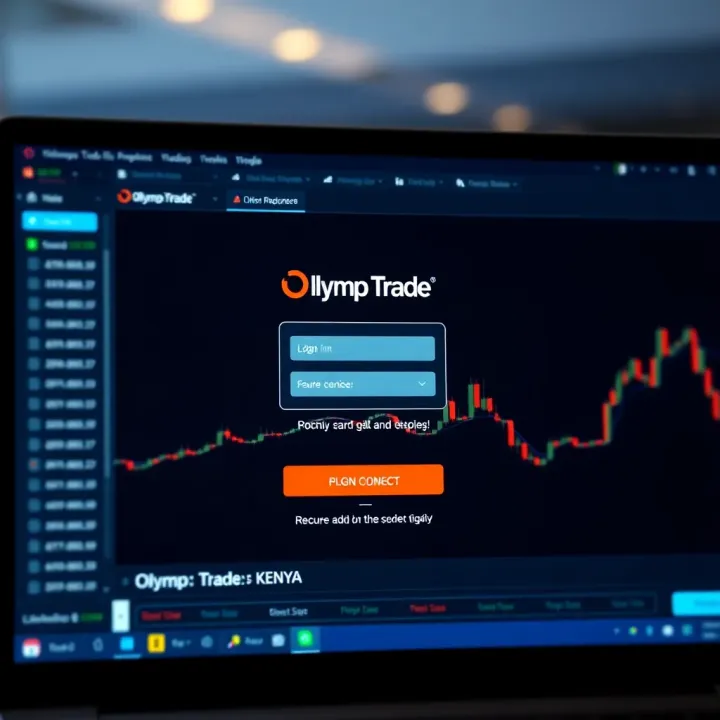
📈 Learn how Kenyan traders can safely access Olymp Trade with step-by-step login guidance, dashboard tips, account management, and solving common issues effectively.
📈 Discover how Kenyan users can trade on Olymp Trade safely with step-by-step registration, local payment options like M-Pesa, trading tips, and risk advice.
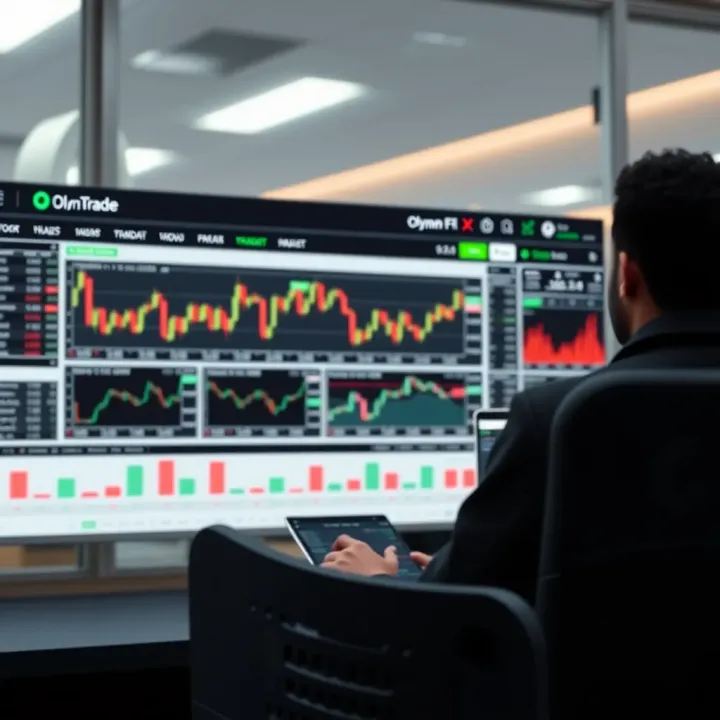
📊 Explore Olymp Trade's features, fees, and trade options designed for Kenyan traders. Understand its regulation, safety tips, and how it stacks against local platforms.
Based on 15 reviews