
AI Trading Bots and Their Impact on Markets
Explore how AI trading bots operate and impact Kenya's financial markets 🤖📈. Learn benefits, risks, ethical tips, and practical advice for using AI in trading.
Edited By
Sophia Clarke
Automated trading bots have become a key part of today's financial markets, especially as technology advances and traders look for ways to stay competitive. These software programmes act on preset rules, allowing trades to happen faster and more consistently than manual trading.
Trading bots use algorithms to analyse market data such as prices, volume, and trends. Once certain conditions are met, the bot executes trades without human intervention. This speed can be a big advantage in volatile markets where prices change by the second. For instance, in Kenya’s growing forex market or the NSE Nairobi Securities Exchange, bots can spot and act on tiny price differences long before a human trader could.
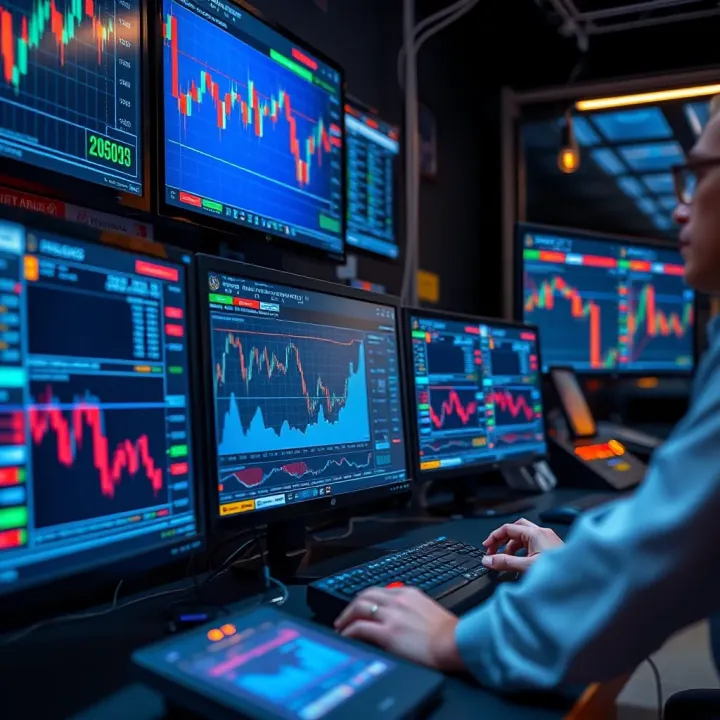
There are various trading bots depending on the strategy they follow. Some focus on trend-following, buying assets rising steadily and selling when signals suggest a downturn. Others use arbitrage, which means exploiting price differences of the same asset across different platforms or markets. More advanced bots incorporate machine learning to adjust trading strategies based on past performance.
These systems are not a guarantee for profits. They work best when their strategies are carefully tested and suited to current market conditions.
Kenyan traders should consider local factors such as access to reliable internet, the choice of brokers that support automated trading, and the legal framework regulating trading software. For example, some brokers allow API access enabling bots to trade directly, while others might restrict automated transactions.
Key benefits of trading bots include:
24/7 market monitoring without fatigue
Elimination of emotional biases influencing trades
Ability to backtest strategies on historical data before going live
Risks to keep in mind:
Bots depend heavily on quality data; any lag or error can cause losses
Over-optimised bots might perform well on past data but poorly in live markets
Security risks if bots or broker accounts are not well protected
Understanding these points helps Kenyan traders decide if and how they want to integrate automated trading in their activities, balancing technological advantages with practical local realities.
Trading bots are increasingly common tools in today's financial markets. They automate the process of buying and selling financial instruments, taking over tasks that would otherwise demand constant attention. For traders and investors, understanding what trading bots are and how they operate is essential because these programmes can execute trades faster and more consistently than a human could. This gives a practical advantage, especially when market conditions shift quickly, such as during periods of high volatility or breaking economic news.
At their core, trading bots are computer programs designed to trade securities, currencies, or commodities automatically. Instead of manually placing orders through a trading platform, these bots follow pre-set rules written into their algorithms. For example, a bot might be programmed to buy shares of a stock when its price drops by 2% and sell when it rises by 3%. This automation saves time and reduces the chances of missing good trading opportunities when you're away from your computer.
Trading bots also allow traders to operate 24/7, which is especially useful in markets that never sleep, such as cryptocurrencies. This nonstop activity would be near impossible to maintain for an individual. In Kenya, where many traders access financial markets via mobile devices, bots provide a way to maintain consistent market presence without constant manual input.
Trading bots operate based on algorithms—clear, step-by-step instructions that dictate when to enter and exit trades. These might be simple rules based on price movements or more complex strategies involving technical indicators like moving averages or Relative Strength Index (RSI). The algorithms are coded to assess market data and make decisions without human emotions clouding judgment.
For instance, a trading bot might buy maize futures contracts when the price dips below the 50-day moving average and automatically sell when the price goes above the 100-day average. By following such algorithmic logic, bots execute trades consistently and according to the trader’s strategy, reducing errors from emotional impulses like fear or greed.
First, a trading bot collects and processes vast streams of market data—prices, volume, order books, and sometimes news sentiment. This data helps the bot understand the current state of the market and identify potential trading opportunities. For example, a bot might analyse recent price trends of coffee futures or forex pairs such as USD/KES to spot patterns.
Accurate and timely data is crucial. If the bot receives outdated information, it might execute trades based on stale signals, resulting in losses. Traders typically use data feeds from reliable sources, including exchanges and financial data providers, to ensure up-to-date inputs.
Once the bot analyses the data, it generates signals indicating whether to buy, sell, or hold a position. These signals come from the algorithms’ decision rules. For example, if the algorithm detects that the price of an NSE-listed stock has broken past its resistance level with high volume, the bot could signal a buy.
Signal generation is where the bot’s programmed strategy shows its effectiveness. Different bots use different indicators or combinations of factors to produce signals. A signal is not a final action but a prompt for the next step in the workflow.
The final stage is order execution. When a buy or sell signal is confirmed, the bot sends an order to the trading platform or exchange. The bot handles timing, price, and order type (market or limit) to ensure that trades are made efficiently.
For example, in forex trading, a bot might place a market order instantly after a sell signal. Alternatively, it could use a limit order to buy a stock only if the price drops to a specified level. Automated execution eliminates delays caused by manual order placement and often results in better prices and reduced slippage.
Automated trading bots depend heavily on this structured workflow—from data collection to order execution—to help traders act swiftly and confidently without being caught up in emotions or human error.
Understanding these components provides a solid foundation for appreciating how trading bots can support your trading goals, especially in fast-moving markets like NSE or cryptocurrency exchanges popular in Kenya.
Trading bots bring several key benefits to traders, making them valuable tools in modern financial markets. They automate complex tasks, offer consistent execution, and can improve trading performance by handling speed and precision beyond human capabilities. In Kenya, where digital trading platforms and mobile money payments are increasingly common, these advantages hold particular appeal for retail and institutional traders alike.
Trading bots can process market data and execute orders much faster than a human can. This speed is crucial in markets like NSE (Nairobi Securities Exchange) or forex, where prices change by the second. For example, a bot can spot and act on a sudden price dip to buy shares or currency before the opportunity disappears. This efficiency helps traders avoid slippage—a common issue when manual orders lag behind price movements.
Moreover, bots operate continuously, allowing for trades at any hour without fatigue or delay. This is important in global markets that operate beyond Kenyan market hours. Equally, for day traders or scalpers, bots can quickly place multiple orders within seconds, something hardly possible by manual means.
Human traders often struggle with emotions like fear or greed, especially in volatile markets. These emotions can lead to poor decisions like holding on too long to losing positions or selling winners prematurely. Trading bots stick strictly to the programmed rules, eliminating emotional interference.
For example, a Kenyan trader using a bot with stop-loss settings will consistently cut losses without the hesitation common among beginners. This disciplined approach helps preserve capital and enforces risk management, which is key to long-term success.
Backtesting allows traders to simulate how a particular trading strategy would have performed using past market data. Trading bots often come with backtesting tools so traders can refine their strategies before using real money. This is invaluable because it highlights potential pitfalls and realistic profit targets without risking capital.
In the Kenyan context, backtesting can be done on historical NSE data to see how a strategy would handle market cycles, such as those influenced by political events or economic reports. Through optimisation, traders tweak parameters—like trade entry points or timeframes—to improve performance. This methodical testing process builds confidence, particularly for newcomers trying automated trading.
Trading bots offer not just automation but a systematic way to improve trading discipline, speed, and strategy evaluation that humans alone find hard to match.
In summary, trading bots enhance market participation by delivering fast, emotion-free execution and allowing strategic testing. Kenyan traders looking to incorporate these tools should understand these benefits to make informed decisions that fit their goals and risk tolerance.
Trading bots offer speed and efficiency, but they come with risks and challenges that traders must understand before relying on automation. This section highlights three critical issues: technical failures, over-optimisation, and market volatility. Recognising these helps investors protect their capital and make smarter decisions.
Trading bots depend heavily on reliable technology. If the software crashes or internet connection drops, orders might not execute as planned, resulting in missed opportunities or unintentional losses. For instance, imagine a bot set to buy shares in Safaricom during a sudden market dip, but a glitch stalls the order — you could lose the chance to buy at a lower price. Kenyan traders especially face this risk in regions with unstable network infrastructure or during load-shedding periods.
Bots may also malfunction if updates or maintenance are neglected. Regular monitoring and using platforms with strong uptime records can reduce exposure to these interruptions. Having backup plans like manual override can help traders regain control when automation fails.
Adjusting bot parameters extensively to fit past market data, a process known as over-optimisation or curve fitting, can give a misleading sense of security. The bot may perform brilliantly on historical test data but fail in real-world trading because markets rarely repeat past patterns precisely.
A Kenyan trader could backtest a bot using Nairobi Securities Exchange (NSE) data from a bullish period, only to find it struggles during volatile times or political disruptions. This false confidence can tempt traders to increase stakes recklessly, risking bigger losses.
Avoiding over-optimisation involves using diverse datasets for testing and starting live trades in small amounts while carefully observing performance.
Bots react to predefined algorithms and have no instinct for sudden events like government announcements, geopolitical tensions, or economic shocks. For example, if the Central Bank of Kenya unexpectedly changes the monetary policy, bots may continue trading based on outdated assumptions.
This limitation means bots can intensify losses during extreme volatility. Human oversight remains necessary to pause or adjust bots during such events. Kenyan traders should be aware that no bot can entirely replace keen market awareness and sound risk management.
While trading bots offer great convenience, knowing their weaknesses ensures you stay ahead. Proper preparation reduces surprises and builds a smarter trading approach.
Use reliable platforms with solid technical support
Avoid excessive tweaking of bot strategies to past data
Monitor bot activity regularly, especially during volatile periods
Combine bots with manual decisions for major market events
Understanding these challenges helps Kenyan traders use bots wisely and protect their investments from common pitfalls in automated trading.
Understanding the different types of trading bots helps traders choose tools that fit their strategies and risk tolerance. Each type offers unique ways to interact with financial markets, from simple automation to complex decision-making. Knowing their applications ensures you deploy bots effectively rather than blindly relying on technology.
Rule-based bots follow specific instructions coded ahead of time. They buy or sell when market conditions meet set parameters—say, a moving average crossover or price reaching a support level. This approach suits traders who want to automate clear, tested strategies without needing constant intervention.
For example, a rule-based bot might be set to buy shares of Safaricom when the 50-day moving average crosses above the 200-day moving average, indicating upward momentum. This method takes the guesswork and emotion out of trade timing.
These bots work best in markets where price trends or patterns are relatively stable, such as equities or forex with consistent liquidity. They suit traders who prefer defined, repeatable rules over complex or uncertain strategies.
For Kenyan traders entering equity markets on the Nairobi Securities Exchange (NSE), rule-based bots can automate strategies like breakouts or mean reversion, easing busy schedules and reducing human error. However, they are less flexible when sudden market events demand quick adjustment.
Unlike rule-based bots, machine learning bots analyse historical and real-time data to identify patterns on their own. They learn from new information and adjust strategies dynamically. This can help detect subtle market shifts before traditional indicators signal change.
For example, a bot using machine learning might spot changing correlations between East African currencies and global commodities, tweaking forex trades accordingly. This flexibility can be advantageous in volatile markets or during economic shocks.
Machine learning bots need significant computing power and data access, making them more resource-intensive. They often run on cloud servers or specialised hardware to process and update models quickly.
In addition, setting up such bots requires advanced skills in programming and data science. This complexity might limit accessibility for individual Kenyan traders without IT support.
Arbitrage bots scan multiple exchanges simultaneously to find price differences for the same asset. They buy low on one platform and sell high on another, profiting from the gap.
For instance, bitcoin might trade slightly cheaper on a regional exchange than on Binance. An arbitrage bot exploits this difference to earn a small profit repeatedly. Such bots require fast execution and low fees to be effective.
Kenyan traders face challenges with arbitrage bots due to limited access to multiple local and international exchanges with significant price gaps. Transaction fees, withdrawal delays, and regulatory complexities often reduce potential profits.
Moreover, tight KRA regulations and KCB M-Pesa integration influence how quickly funds move between accounts, affecting arbitrage opportunities. Traders need to weigh these factors before investing in arbitrage systems.
Choosing the right type of trading bot depends on your goals, markets, and level of technical comfort. Each bot type offers trade-offs between simplicity, adaptability, and resource demands—understanding these helps you make smarter decisions.
Trading bots can offer Kenyan traders an edge with automation, but success depends on practical steps. Knowing how to pick the right software, understanding local laws, and managing risk properly will make a big difference. This section focuses on hands-on advice to help you avoid common pitfalls and make informed choices when using trading bots in Kenya’s financial markets.
Reputation matters a lot when selecting trading bot platforms because not all software delivers on promises. Kenyan traders should look for platforms with clear track records and positive user feedback from trusted forums or social media groups focused on trading in East Africa. For example, a platform popular among NSE investors with many verified reviews is often safer than newer, unknown options. Reviews reveal not just software performance but also how easy it is to get support when issues arise.
Security is a top priority given the financial risks involved. Opt for trading bots that use strong encryption and offer two-factor authentication (2FA) for login. Kenyan traders should also check if the platform supports secure payment methods like M-Pesa or bank transfers through established banks such as Equity or KCB. Beware of bots that require suspicious permissions or ask for full access to your trading accounts without clear safeguards. Keeping your credentials safe prevents hacks, which are unfortunately common in automated trading environments.
The Capital Markets Authority (CMA) regulates trading activities in Kenya, including those involving automated systems. It is essential to use bots that comply with CMA rules, particularly for trading securities on the Nairobi Securities Exchange. Using authorised platforms ensures your trades are protected under local law. Also, CMA occasionally releases notices about emerging technologies and trading practices, so staying updated helps avoid running afoul of regulations.
Profits from automated trading are subject to Kenya Revenue Authority (KRA) tax rules. Traders must declare earnings correctly and keep records of transactions executed by bots. Failure to comply can lead to penalties, especially as KRA tightens oversight on digital and automated incomes. For instance, having clear documentation when using bots to trade equities or forex helps simplify tax filing and avoid misunderstandings.
Even the best trading bots can face losses, especially when markets turn unexpectedly volatile. Kenyan traders should begin with modest sums to test how the bot performs before scale-up. Starting small limits risk exposure if an algorithm errors or the system fails. For example, using a bot to trade KS0,000 initially instead of several hundred thousand shillings lets you observe behaviour safely without risking serious capital.
Automated does not mean set-and-forget. Markets change rapidly; therefore, Kenyan traders need to keep an eye on bot performance and intervene when necessary. Regular checks help spot technical issues, recalibrate strategies, or pause trading if the bot starts behaving oddly. This hands-on approach is critical because even small lapses can cause unexpected losses. Use alerts or mobile notifications to stay informed in real-time.
Success with trading bots in Kenya hinges on reliable software, legal compliance, risk awareness, and active management. Doing your homework and staying cautious will protect your investments while making the most of automation benefits.
Explore how AI trading bots operate and impact Kenya's financial markets 🤖📈. Learn benefits, risks, ethical tips, and practical advice for using AI in trading.
📊 Discover how binary trading bots work, their benefits, risks, and tips for Kenyan traders to automate and improve their binary options strategy effectively.
🤖 Explore top trading bots for Kenyan traders! Learn about automation, strategy customization, security, and market fit to trade smarter locally and globally.
Explore how to use bots on Binary.com 🤖 for smarter trading in Kenya 🇰🇪. Learn benefits, risks, and tips for managing automated trades effectively.
Based on 7 reviews